



The Instagram-Powered Marketplace
The heart of India's modern thrifting scene beats on Instagram. For a generation fluent in digital culture, this platform has become the go-to marketplace for pre-loved fashion. Thousands of small, independent stores operate entirely through their accounts,
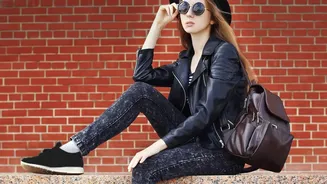
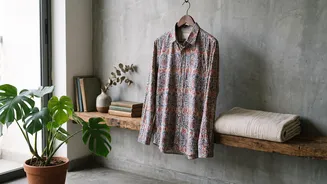
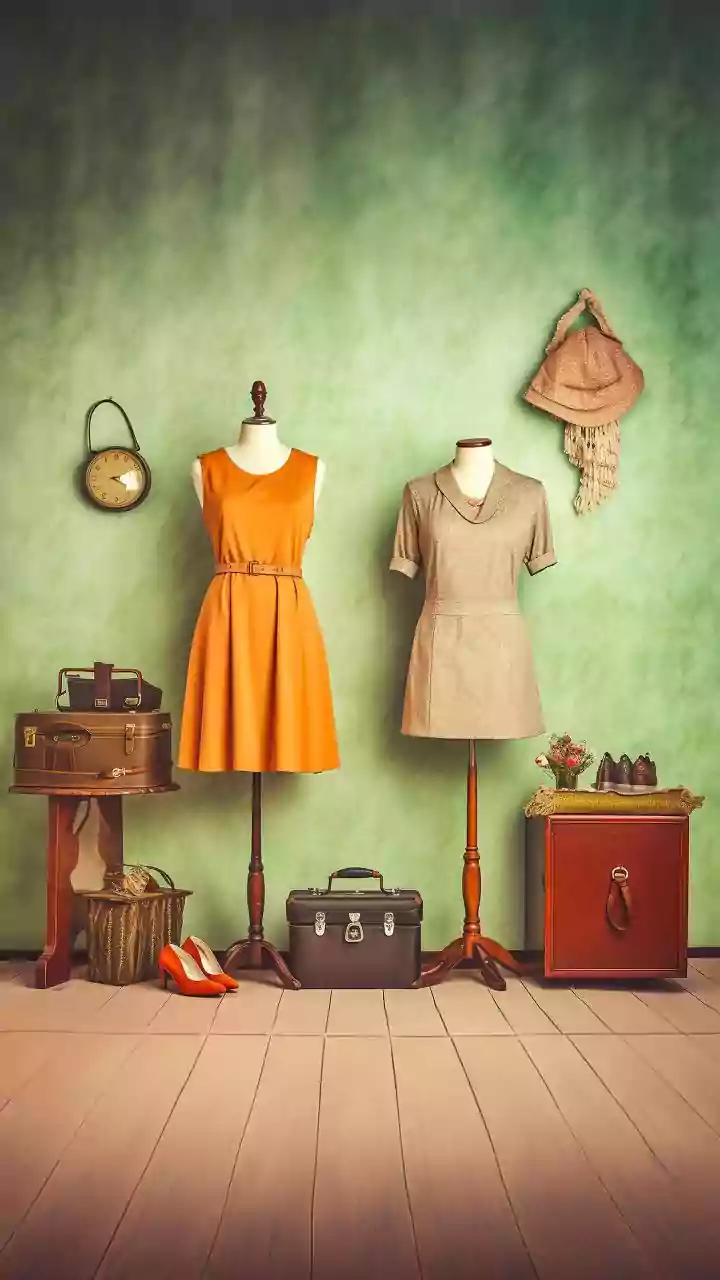
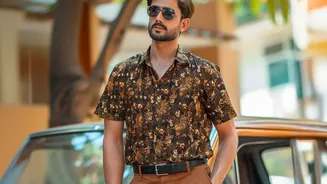
curating collections that range from Y2K and streetwear to rare vintage finds. Sellers, often young entrepreneurs themselves, build communities around their brands by creating a boutique-like experience with styled photos and engaging Reels. This digital shift has transformed what was once confined to local flea markets into a nationwide treasure hunt accessible from anywhere.
How to Master the Digital Hunt
Finding the perfect piece requires strategy and speed. The blueprint for success starts with knowing what you're looking for. Use specific hashtags and keywords to narrow your search. Once you find stores you like, turn on post notifications. Most Instagram shops use a 'drop' model, releasing new items at a scheduled time, and popular pieces sell out in minutes. The rule is simple: be the first to comment or send a direct message (DM) to claim an item. Always check the store's rules, which are usually in their bio or story highlights, for payment and shipping details. Since most sales are final, it's crucial to ask for measurements and inspect photos carefully, as sizing for vintage clothes can be inconsistent.
Why It's More Than Just a Bargain
While affordability is a major draw for students and young professionals navigating rising costs, the motivation to thrift runs deeper. It's a conscious rejection of fast fashion's environmental impact. The fashion industry is a significant contributor to global carbon emissions and textile waste, a fact that environmentally-aware young shoppers are keen to address by giving clothes a second life. Beyond sustainability, thrifting is a celebration of individuality. It offers an escape from mass-produced trends, allowing shoppers to find one-of-a-kind items that express their personal style. The 'treasure hunt' feeling of discovering a rare jacket or a vintage graphic tee is a core part of the appeal.
Navigating the Challenges
Despite its growing popularity, the Indian thrifting scene has its hurdles. Inconsistent quality, hygiene concerns, and the absence of return policies are common issues buyers face. 'Thrift-inflation' is another growing concern, where some sellers price trendy second-hand items at levels close to new clothing, frustrating buyers looking for a good deal. Furthermore, while the online space is thriving, the market can feel disorganized. It's essential to buy from trusted curators with good reviews to avoid scams or receiving items that don't match their description. Many items sold as 'thrifted' can also be export-surplus stock or factory rejects, which blurs the line between true vintage and pre-owned clothing.
Beyond the Digital World
While Instagram dominates, thrifting isn't exclusively an online activity. Major cities like Delhi, Mumbai, and Bengaluru have famous physical markets known for second-hand and export-surplus clothing, such as Sarojini Nagar and Linking Road. These offline markets offer a more traditional, hands-on thrifting experience. Additionally, curated pop-ups and clothing swap events are becoming more common in urban centers, creating a sense of community and allowing people to exchange clothes in person. Some sellers also operate through other channels like WhatsApp catalogs or have their own dedicated websites, offering an alternative to the fast-paced Instagram drop model.