



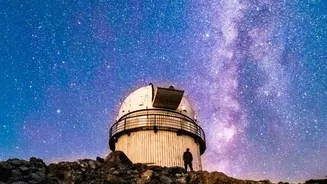
The Quest for Dark Skies
For millions of people living in urban India, the simple act of looking up to a star-filled sky has become a rare luxury. Pervasive light pollution from cities has created a perpetual twilight glow, obscuring all but the brightest celestial bodies. This
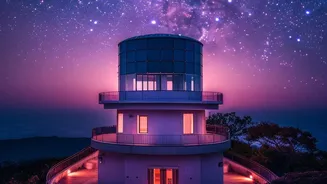
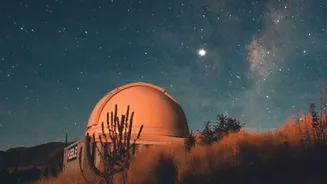
has fuelled a growing movement of 'astro-tourism' — travellers seeking remote, dark locations to witness the universe in its full glory. While high-altitude destinations have long been the go-to, a new initiative in Maharashtra is bringing the stars closer to home. The state government has identified 11 potential dark sky locations, with the tribal village of Udmal in Nashik leading the charge.
Why Udmal Village Shines
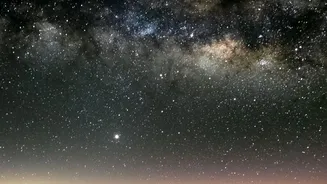
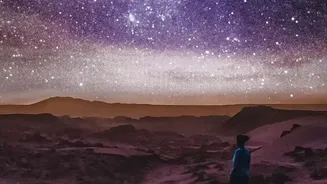
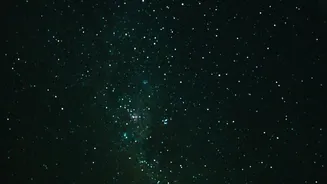
So what makes this quiet village, located in the Surgana taluka, so special? Its primary asset is its natural darkness. Udmal sits on a hilltop with no significant urban settlements for several kilometres, giving it exceptionally low levels of light pollution. This means on a clear, moonless night, visitors can see thousands of stars, planets, and even the magnificent band of the Milky Way with the naked eye. Recognizing this unique resource, the local Kokna tribal community has embraced the dark sky concept. The Gram Sabha passed a resolution to protect their nocturnal environment by adopting responsible, downward-facing lighting, ensuring the skies remain pristine for generations to come. This community-led effort is the first of its kind in India.
What is a Dark Sky Community?
The term 'Dark Sky Community' isn't just a catchy phrase; it's a specific designation from DarkSky International, a global organisation dedicated to combating light pollution. To earn this status, a community must demonstrate a deep commitment to preserving the night sky through policy, education, and practice. This involves retrofitting public lighting, encouraging residents and businesses to adopt night-friendly fixtures, and providing public outreach. Udmal is currently in the process of getting this official certification, which would make it India's first internationally recognised Dark Sky Community. The Nashik district administration has sanctioned ₹42.14 lakh to support this initiative, funding everything from sky quality assessment to public awareness campaigns.
Your Celestial Itinerary
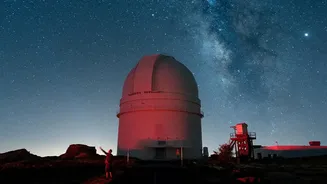
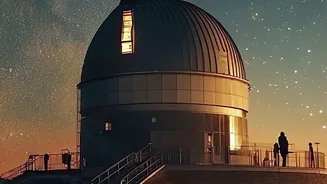
A trip to Udmal is about more than just looking up; it's an immersive experience. The initiative aims to create a sustainable tourism model that benefits the local community. Rather than large hotels, the plan focuses on community-owned hospitality, such as traditional homestays where visitors can enjoy authentic local food and culture. Guided stargazing sessions are central to the experience. Local youth are being trained to operate telescopes, identify constellations and deep-sky objects, and share both scientific knowledge and local folklore related to the stars. This offers a unique opportunity for visitors, including families and amateur photographers, to learn about the cosmos in an authentic and engaging setting.
Planning Your Trip to the Stars
As an emerging destination, facilities are still developing, but the journey is well worth it. The best time to visit for the clearest skies is typically in the winter months, from November to February, when the air is dry and cloudless. Summer months between April and June on moonless nights are ideal for viewing the Milky Way's core. To get to Udmal, the nearest major city is Nashik. From Nashik, you can drive to Surgana taluka, which is about 90-100 km away. The nearest major railway station is Nashik Road. When packing, be sure to include warm clothing as nights can get cold, even in winter. A red-light flashlight is highly recommended as it preserves night vision for you and others, unlike the harsh glare of a standard white light. Most importantly, bring a sense of wonder.