




Why Monsoon Demands Extra Care
The connection between the rainy season and foodborne illness is environmental. High humidity and ambient temperatures, often between 25°C and 40°C, create the ideal conditions for harmful bacteria like Salmonella and E. coli to multiply rapidly. Cooked
food left at room temperature is particularly vulnerable. While refrigeration slows this process, it doesn't stop it entirely, and our digestive systems can be more sensitive during this season. This makes proper reheating not just about enjoying a warm meal, but about actively killing off germs that may have developed during storage.
The Golden Rule: Temperature is Everything
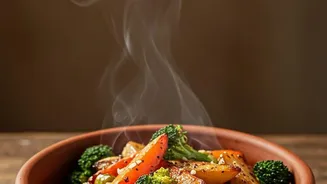
The single most important rule for reheating food is to ensure it reaches a safe internal temperature. Food safety experts agree that leftovers must be heated to at least 74°C (165°F). This temperature is hot enough to kill most harmful bacteria that can cause food poisoning. Simply warming the food is not enough; it needs to be piping hot throughout. Using a food thermometer is the most reliable way to check, but a good visual cue is seeing steam rising consistently from the entire dish, not just the edges. Remember, some bacteria can produce heat-resistant toxins if food is left out too long, so reheating isn't a magic fix for improperly stored food.
Stovetop: The Best Bet for Curries and Dals
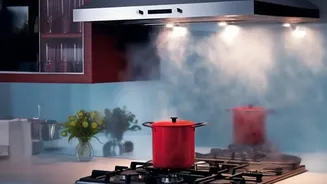
For most Indian gravies, curries, and dals, the stovetop is the superior method. It allows for even, gentle heating that revives the dish's texture and flavour. To start, you may need to add a small splash of water or stock, as many curries thicken in the fridge. Place the food in a saucepan over low to medium heat, cover it loosely, and stir occasionally. This prevents the edges from scorching while the centre remains cold. Continue heating until the dish is consistently hot throughout, which usually takes between five and ten minutes. Avoid boiling vigorously, as this can cause dairy or coconut-based sauces to split.
Microwave: Quick but Requires Technique
While convenient, the microwave can heat food unevenly, creating hot and cold spots where bacteria can survive. To reheat safely in a microwave, place food in a microwave-safe dish and cover it with a lid or a damp paper towel to trap steam and maintain moisture. It's crucial to stop and stir the food midway through the heating process to ensure the heat distributes evenly. Heat in shorter bursts of one to two minutes rather than one long cycle. After heating, let the food stand for a minute to allow the temperature to equalise throughout the dish.
Foods That Need Special Attention
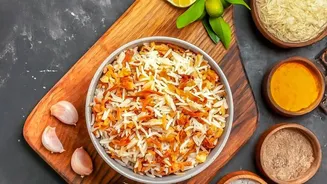
Certain foods carry a higher risk and require more careful handling. Rice is a primary concern because it can contain spores of a bacterium called Bacillus cereus, which can survive initial cooking. If cooked rice is left at room temperature, these spores can grow into bacteria that produce toxins. Always reheat rice until it is steaming hot, reaching 74°C (165°F). Similarly, chicken and other meats must be reheated thoroughly to the same temperature to eliminate any potential bacterial growth. Leafy greens and other vegetables should also be heated properly, as they can carry pathogens from soil and water.
What Not to Do: Common Reheating Mistakes
One of the biggest mistakes is reheating food multiple times. Each time food is cooled and reheated, it passes through the 'danger zone' (4°C to 60°C), where bacteria can multiply. It's best to only portion out and reheat what you plan to eat immediately. Another error is relying on smell or taste to judge if a food is safe; many contaminated foods will look and smell perfectly normal. Finally, never leave cooked food on the counter for more than two hours (or one hour if it's very hot) before refrigerating. Safe storage is the first and most critical step.