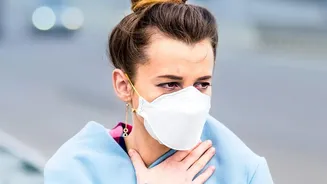


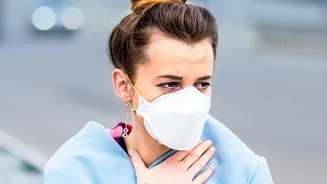

As smog settles over our cities, a scratchy, sore throat becomes an unwelcome but familiar companion. Tiny pollutants in the air irritate our respiratory system, causing discomfort. While home remedies offer comfort, it's crucial to know their limits.
Why Smog Gives You a Sore Throat
When you breathe in polluted air, tiny particles like PM2.5 and harmful gases irritate the sensitive lining of your throat and airways. This contact causes inflammation, dryness, and a persistent scratchy feeling. Your body's natural reaction is to produce more mucus to trap these invaders, leading to that constant need to clear your throat. Essentially, a 'smog throat' isn't an infection at first, but an inflammatory response to environmental irritants. However, this constant irritation can weaken your throat's natural defences, making you more vulnerable to actual viral or bacterial infections.
Soothing Home Remedies for Quick Relief
For that initial scratchiness caused by pollution, several traditional and effective home remedies can provide significant comfort. A warm salt-water gargle is a time-tested solution; it can help reduce swelling and wash away irritants. Sipping on warm liquids throughout the day, like herbal teas or clear soups, keeps the throat hydrated and soothes irritation. A classic 'kadha' or a simple mix of honey and ginger in warm water is also highly effective. Honey coats the throat, easing irritation, while ginger offers anti-inflammatory benefits. Similarly, 'haldi doodh' (turmeric milk) can be a comforting bedtime drink. For dryness, steam inhalation, perhaps with a few drops of eucalyptus oil or a pinch of ajwain, can moisturize the airways and loosen mucus.
The Line Between Irritation and Infection
It's easy to blame every sore throat on the smog, but it’s important to distinguish between simple irritation and a developing infection. A sore throat from pollution often feels scratchy and dry, and may improve when you are indoors or away from heavily polluted areas. An infection, however, is caused by a virus or bacteria and comes with a different set of symptoms. Viral sore throats, like those from a common cold, often include a cough, runny nose, and hoarseness. A bacterial infection, like strep throat, is typically more severe, comes on suddenly, and usually does not involve a cough.
Red Flags: When to See a Doctor
Home remedies are for comfort, not for cures. They cannot treat a bacterial infection like strep throat, which requires antibiotics. Ignoring a serious infection can lead to complications. You should consult a doctor if your sore throat is accompanied by any of the following symptoms: a fever higher than 101°F, severe pain that makes it difficult to swallow, visible white patches or pus on your tonsils, swollen and tender glands in your neck, or a rash. Additionally, if your sore throat is severe and persists for more than a few days without improvement, it's time to seek professional medical advice. Any difficulty breathing requires immediate medical attention.
Prevention is Your Best Defence
The best way to manage a smog-induced sore throat is to minimize your exposure in the first place. Check the Air Quality Index (AQI) daily and limit strenuous outdoor activities on high-pollution days. When you do go out, wearing a well-fitted N95 mask can significantly reduce the number of fine particles you inhale. At home, using an air purifier can help maintain cleaner indoor air. Staying well-hydrated by drinking plenty of water throughout the day helps keep your throat moist and better able to flush out irritants. Eating a balanced diet rich in Vitamin C, found in foods like amla and oranges, can also support your overall immunity during this challenging season.