

As the air turns crisp, sweet potatoes and chestnuts appear in our kitchens. But when it comes to nutrition, which one is 'better'? The answer isn't simple, and it has everything to do with how you cook them.
A Tale of Two Starches
At a glance, sweet potatoes and chestnuts seem
worlds apart. One is a vibrant root vegetable, the other a unique nut that behaves more like a whole grain. Sweet potatoes are famed for their brilliant orange flesh, a sign of their incredible vitamin A content. Chestnuts, conversely, are unusual among nuts for being low in fat and high in vitamin C. A 100-gram serving of raw sweet potato has around 86 calories and 20 grams of carbohydrates. In contrast, 100 grams of roasted chestnuts contain about 245 calories and 53 grams of carbs, making them much more calorie-dense. However, chestnuts also boast more dietary fibre, which aids in digestion and helps stabilize blood sugar levels. So, based on raw numbers, the sweet potato is lower in calories, while the chestnut offers more fibre and a surprising vitamin C boost.
The Roasting Revelation
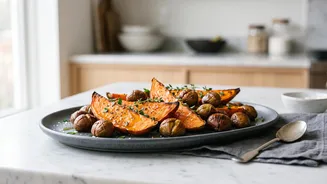
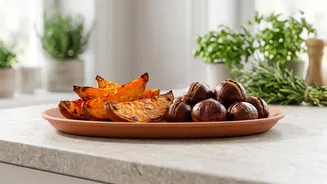
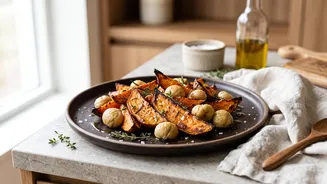
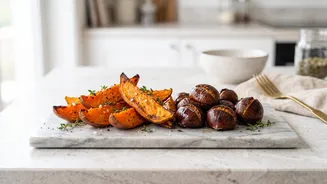
Roasting is a popular method for both, but it dramatically changes their nutritional profiles. When you roast a sweet potato, its starches begin to break down into sugars, making it taste sweeter and raising its glycemic index (GI). A baked sweet potato can have a GI as high as 94, meaning it can cause a rapid spike in blood sugar. Baking also significantly reduces some nutrients; it can wipe out over two-thirds of the antioxidant power in the peel and cause an 80% drop in vitamin A levels. Roasting has a similar effect on chestnuts. It concentrates their natural sugars and leads to a higher calorie count compared to boiling—about 190 calories per 100 grams. While some heat-sensitive vitamins like C are reduced during roasting, other beneficial antioxidant compounds, such as gallic acid and ellagic acid, actually increase.
When Boiling Is Better
Boiling offers a completely different outcome. For sweet potatoes, boiling results in a much lower glycemic index, typically in the 46-61 range, making it a better choice for blood sugar management. This method helps retain more of the vegetable's resistant starch, a type of fibre that your body doesn't digest, and it is gentler on its antioxidant content compared to baking. For chestnuts, boiling is also the lower-calorie option. One hundred grams of boiled chestnuts contain around 120 to 131 calories, a significant drop from their roasted counterparts. This is largely due to the absorption of water. While boiling can cause some water-soluble vitamins to leach into the water, it results in a more digestible and less calorie-dense food.
The Glycemic Index Factor
The glycemic index is a crucial factor in this comparison, especially for those managing blood sugar. As noted, a boiled sweet potato has a low_to_medium GI, while a baked one has a very high GI. This means that a simple switch in cooking method can turn a blood_sugar_friendly food into one that requires more careful portioning. Chestnuts, on the other hand, naturally have a low GI of around 54. Even after cooking, they tend to release their energy more slowly. Studies show that baked chestnuts have a lower GI than other cooked versions, making them a potentially good option for sustained energy without a major sugar rush.
In the Kitchen: Flavour and Use
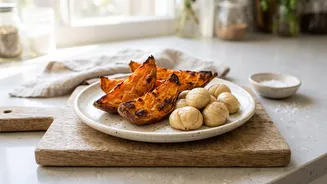
Beyond nutrition, cooking methods dictate how these ingredients shine. Roasted sweet potatoes develop a caramelised, fluffy texture perfect for a simple side dish or stuffing into other dishes. Boiled and mashed sweet potatoes create a creamy base for soups or savoury purees. Chestnuts offer a similar versatility. Roasted chestnuts are a classic snack with a sweet, nutty flavour. Boiled chestnuts become tender and are ideal for pureeing into soups or stuffings, often paired with sweet potatoes for a rich, autumnal flavour combination. Their firm texture when roasted also makes them a great crunchy addition to salads or sheet_pan dinners.