




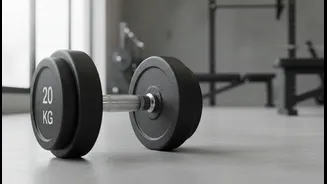



Why Bone Health Matters Early
Think of your skeleton as a bank account for bone. The deposits you make during your youth and early adulthood determine your peak bone mass, which is the greatest amount of bone you will ever have. For women, this peak is typically reached by age 30.
After this point, you begin to draw from this account for the rest of your life. A higher peak bone mass provides a crucial buffer against the natural bone loss that occurs with age, particularly after menopause. Studies indicate that Indian women may have a lower peak bone mass compared to Western populations and are susceptible to early-onset osteoporosis and fractures. This makes the years before 30 a critical window for building as much bone strength as possible.
The Myth of 'Bulking Up'
A common fear that keeps many women away from heavy weights is the myth that they will become 'bulky'. This is one of the most persistent misconceptions in fitness. Due to hormonal differences, particularly much lower levels of testosterone, it is significantly more difficult for women to build large, bulky muscles. Instead, lifting heavy weights helps women develop lean, strong muscle, which increases metabolism and creates a toned, defined physique. The goal isn't to look like a bodybuilder—it's to build a resilient and powerful body.
How Lifting Builds Stronger Bones
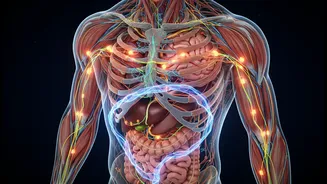
The science behind strength training and bone density is fascinating. When you lift a heavy weight, your muscles pull on your bones. This action places a specific type of mechanical stress on the skeleton. In response to this stress, the body activates bone-building cells called osteoblasts. This process, known as bone remodeling, signals the body to deposit new bone tissue, making the bones denser and stronger over time. It's a direct, adaptive response: you challenge the bones, and they rebuild themselves to be stronger to handle future challenges. This process is most effectively stimulated by heavy loads, not just light, repetitive movements.
Key Lifting Strategies for Bone Density
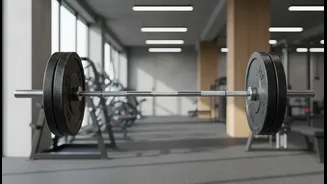
To effectively build bone, the key is a strategy called progressive overload. This means gradually increasing the demands on your musculoskeletal system. You must consistently challenge your body by slowly increasing the weight you lift, the number of repetitions, or the sets you perform. The most effective exercises are multi-joint, compound movements because they load the spine and hips, which are critical sites for bone density. Key exercises include: - Squats: The quintessential lower-body exercise that loads the hips and spine. - Deadlifts: A powerful full-body movement that strengthens the entire posterior chain and axial skeleton. - Overhead Press: This targets the upper body and also places a beneficial load on the spine. - Lunges and Step-Ups: These single-leg exercises improve balance and load the hips and legs individually.
Starting Your Journey Safely
The idea of lifting heavy can be intimidating, but a smart start ensures safety and success. Begin with a weight that is challenging but allows you to maintain perfect form for 8-12 repetitions. Form is always more important than the amount of weight on the bar. Consider hiring a qualified coach for a few sessions to learn the correct technique for major lifts. Aim for two to three strength training sessions per week, ensuring you have rest days in between to allow your muscles and bones to recover and rebuild. Listening to your body is crucial; progression should be gradual and consistent, not rushed.
Fueling Your Bones for Success
Exercise is one half of the equation; nutrition is the other. To build strong bones, your body needs the right raw materials. Ensure your diet is rich in calcium, found in dairy products, fortified plant milks, and leafy greens like spinach and kale. Vitamin D is equally important, as it helps your body absorb calcium. While sunlight is a primary source, fatty fish and fortified foods can also contribute. Finally, adequate protein intake is essential for both muscle repair and providing the building blocks for your bone matrix.