




The Humidity and Cramp Connection
When the air is thick with moisture, your sweat doesn't evaporate as efficiently. This makes it harder for your body to cool down, causing you to sweat even more. While sweating is a natural cooling mechanism, excessive sweating leads to a significant
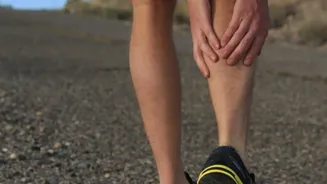
loss of not just water, but also essential minerals known as electrolytes. These minerals, including sodium, potassium, magnesium, and calcium, are crucial for proper muscle function. An imbalance, particularly a deficit, can disrupt the nerve signals that control muscle contractions and relaxation, leading to painful and involuntary cramps. Dehydration in humid weather is a primary trigger for these cramps.
The Role of Electrolytes
Think of electrolytes as the spark plugs for your muscles. Sodium and potassium work together to manage fluid balance in and around your cells, allowing muscles to contract and relax smoothly. When you sweat heavily, you lose a lot of sodium, which is critical for retaining water in your body. Without enough sodium, simply drinking plain water might not be enough to rehydrate effectively, as your body may struggle to hold onto the fluid. This imbalance is a fast track to muscle fatigue and cramping. Symptoms of an electrolyte imbalance can range from fatigue and headaches to more severe muscle spasms and dizziness.
Nature's Answer: Coconut Water
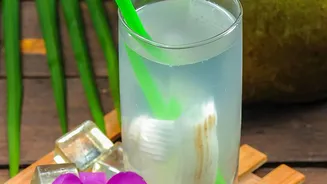
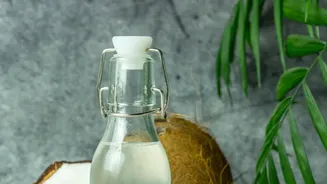
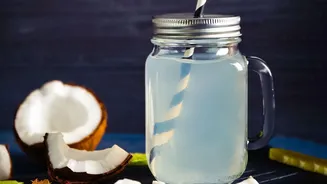
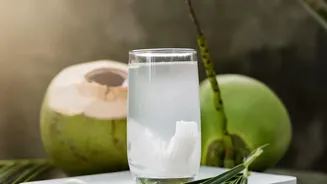
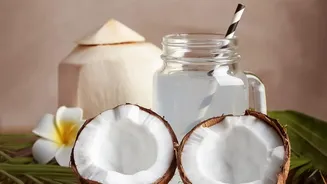
Enter coconut water, often touted as a natural sports drink. It is naturally rich in electrolytes, especially potassium. Potassium is the main electrolyte inside your body’s cells and plays a vital role in nerve function and preventing muscles from becoming over-excited. For general hydration or after light exercise, coconut water can be an excellent choice because it helps replenish the potassium lost through sweat. Its natural sugars also provide a quick and gentle energy boost without the high-fructose corn syrup found in many commercial sports drinks. However, for intense sweating in high humidity, coconut water has one small shortcoming: it is naturally low in sodium.
The Secret Ingredient: A Pinch of Salt
This is where a simple pinch of salt makes all the difference. Adding a small amount of salt (sodium chloride) to your coconut water transforms it into a more complete electrolyte beverage. The added sodium helps your body absorb and retain the fluid from the coconut water more efficiently, ensuring you rehydrate properly. This combination creates a powerful, balanced drink that replaces both the potassium and the sodium lost through excessive sweating, directly addressing the cause of humidity-induced cramps. This simple hack essentially creates a DIY oral rehydration solution that is both natural and effective, helping to prevent muscle cramps and fatigue.
Your DIY Hydration Fix
Making this hydrating drink is incredibly simple. To a glass of fresh, unsweetened coconut water (around 250-300ml), add a small pinch of salt. You can use regular table salt, but many people prefer pink Himalayan salt or sea salt for their trace mineral content. Stir until the salt is dissolved. It shouldn't taste overtly salty—just a hint is enough to boost its hydrating power. For best results, drink it during or after spending time in a hot, humid environment, after a workout, or whenever you feel the first twinges of muscle fatigue or cramping. It's a simple, cost-effective, and natural alternative to many store-bought electrolyte drinks.
Beyond the Glass: More Anti-Cramp Tips
While salted coconut water is a fantastic tool, a holistic approach works best. Ensure your diet is rich in electrolyte-packed foods like bananas, spinach, avocados, and yoghurt. Pay attention to your body's thirst signals and drink water consistently throughout the day, not just when you feel parched. Gentle stretching before and after physical activity, especially in the heat, can also help keep your muscles flexible and less prone to cramping. Finally, if you are able, try to schedule strenuous outdoor activities for cooler parts of the day, such as the early morning or evening, to reduce the strain on your body.