






A Weaker Monsoon Casts a Shadow
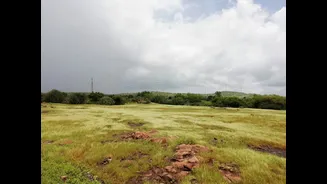
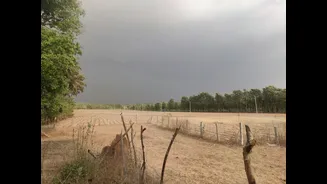
The foundation of rural prosperity is often the monsoon. The 2026 southwest monsoon, however, ended with a significant rainfall deficit, marking it as the weakest since 2015. This shortfall has a direct impact on agricultural output, as it affects both
the recently concluded kharif sowing season and depletes reservoir levels crucial for the upcoming rabi crops like wheat. For millions of households dependent on farming, a weak monsoon translates directly into weaker farm incomes. Rating agency ICRA has already trimmed its agriculture growth forecast for the fiscal year, anticipating that dampened farm incomes could slow rural demand in the latter half of the year.
The Persistent Pinch of Inflation
While farm income faces uncertainty, household expenses are on the rise. Rural India has been experiencing higher inflation compared to urban centres. The latest data from August 2026 shows rural inflation climbing, driven largely by the higher cost of food, which constitutes a larger portion of a rural family's budget. This persistent pressure on essential spending forces families to make tougher choices. A survey from NABARD in July 2026 pointed to emerging financial stress, noting the weakest income momentum in two years and a rising dependence on informal credit. When more money goes towards daily necessities, the budget for discretionary festive purchases—from new clothes to home goods—inevitably shrinks.
The Counterbalance: Non-Farm Income
The rural economy is no longer solely dependent on agriculture. A significant and growing driver of economic activity comes from the non-agricultural sector, which includes small manufacturing units, local shops, and various services. Recent data from the National Statistics Office for the first quarter of 2026 showed massive growth in these unincorporated enterprises, with the rural economy being the biggest engine of this expansion. This growth in non-farm employment provides a crucial buffer against agricultural shocks. It creates a parallel income stream that can sustain household spending even when the monsoon disappoints, adding a layer of resilience to the rural market that didn't exist a decade ago.
Digital Access Changes Everything
The way rural consumers shop is undergoing a revolution. Thanks to affordable smartphones and widespread internet access, e-commerce is no longer an urban phenomenon. With hundreds of millions of internet subscribers now in rural India, consumers have access to a vast marketplace that extends far beyond their local town. Digital payment systems like UPI have seen staggering adoption, making online transactions seamless and secure. This changes not just how rural consumers buy, but what they buy. They are exposed to more brands, a wider variety of products, and competitive pricing, influencing their aspirations and shifting spending towards categories like electronics, branded fashion, and home decor.
A Cautious But Evolving Spender
So, what does this all mean for festive spending? The 2026 rural consumer is more complex than ever. They are cautious due to inflationary pressures and uncertain farm incomes. One survey noted that fewer Indians overall plan to increase their festive budgets this year compared to last. Yet, the same survey found a growing segment of high-ticket spenders. This suggests a divergence: while some households will cut back, others, buoyed by non-farm income and new aspirations fuelled by digital exposure, may spend more, or spend on different things. The spending basket is expanding beyond traditional items to include jewellery, gadgets, and even groceries, often purchased online.