

Maharashtra’s Misty Mountain Passes
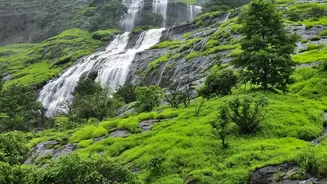
For residents of Mumbai and Pune, the Sahyadri mountain range transforms into a moody, dramatic spectacle. Familiar getaways like Lonavala and Khandala, just a short drive away, shed their summer haze for a blanket of mist. Viewpoints like Tiger's Leap
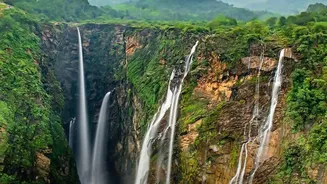
offer breathtaking, cloud-filled valley views that are entirely different from their clear-sky appearance. A little further out, Malshej Ghat becomes a theatre of clouds and waterfalls cascading directly onto the roads. This region is not just about the views; it’s about the drive itself, navigating winding roads with impromptu waterfalls at every turn. Between July and September, Malshej even welcomes migratory flamingos, adding a splash of pink to the all-encompassing green. For a quieter escape, Bhandardara offers the serene expanse of Arthur Lake, framed by hills, and the thunderous power of Randha Falls, which you can often hear before you see it.
Karnataka’s Reawakened Coffee Country
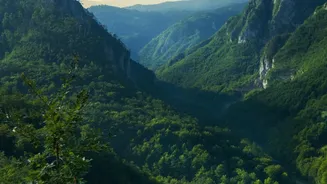
South of the Vindhyas, the Western Ghats in Karnataka offer a more tranquil, fragrant monsoon experience. Coorg, often called the ‘Scotland of India,’ becomes a lush paradise where coffee plantations are draped in mist. The earthy scent of wet soil mixes with the aroma of coffee blossoms, creating an intoxicating atmosphere. Waterfalls like Abbey and Iruppu, which are modest trickles in the dry season, are at their full, roaring peak during the rains. For those seeking a similar vibe with fewer crowds, Chikmagalur and Sakleshpur are excellent alternatives. These areas are perfect for long walks through spice gardens and coffee estates, where the only sounds are the patter of rain and birdsong. The Bisle Viewpoint in Sakleshpur, offering a panoramic vista of three mountain ranges, is particularly stunning when clouds roll through the valley below.
The Aravallis’ Fleeting Green Makeover
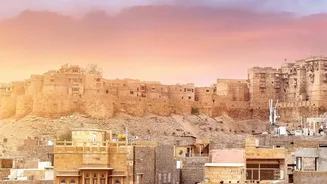
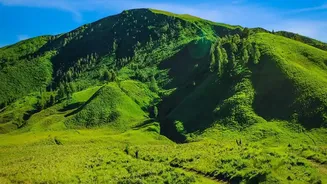
The arid landscapes of Rajasthan and the areas surrounding Delhi offer one of the most surprising monsoon transformations. The Aravalli hills, typically brown and stark, get a temporary, vibrant green coating. For those near Delhi NCR, a drive towards Sariska or Alwar reveals a different side of Rajasthan. The forts look more dramatic against rain-washed hills and grey skies. Even closer, the forested trails around Morni Hills, Haryana's only hill station, come alive. Its twin lakes, Tikkar Taal, fill up beautifully, offering a serene escape that's often overlooked. While not as intensely green as the Ghats, the beauty here lies in the stark contrast—the fleeting moment when the desert landscape softens and blooms, offering a cool, quiet respite from city life before the summer sun reclaims it.
Uttarakhand's Valley of Flowers
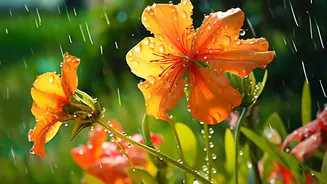
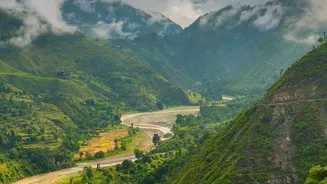
For the truly adventurous, the post-rain period in the Himalayas offers a once-a-year spectacle: the blooming of the Valley of Flowers in Uttarakhand. A UNESCO World Heritage Site, this high-altitude valley is carpeted with hundreds of species of alpine flowers from late July through early September. The trek to the valley is as beautiful as the destination itself, passing through lush forests and alongside gushing rivers. The monsoon air is crisp and clean, and the landscape is a riot of colour against the backdrop of snow-capped peaks. While destinations like Rishikesh see a thinning crowd and the Ganga runs full and thunderous, the Valley of Flowers offers a unique reward for those willing to make the journey, showcasing nature's most vibrant, high-altitude garden.