







A Summer Social Media Star
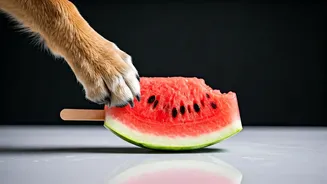
The trend’s appeal is obvious. It’s incredibly photogenic. The vibrant red of the watermelon against a furry face makes for instantly shareable content. On platforms like TikTok and Instagram, the hashtag #dogswatermelon is filled with videos of everything
from golden retrievers delicately nibbling on cubes to tiny Chihuahuas enthusiastically licking a large, frozen wedge. It’s simple, wholesome, and taps into our collective desire to see happy pets. In a world of complex viral challenges, this one is refreshingly pure. It doesn’t require special skills or equipment—just a dog, a watermelon, and a freezer. This low barrier to entry has helped it spread like wildfire, especially as temperatures rise across India.
More Than Just a Cool Treat
For pet parents, this trend is about more than just getting likes. It’s an easy and affordable way to give their dogs a special treat that feels both indulgent and healthy. As we continue to humanise our pets, we look for ways to share experiences with them, including food. Giving your dog a slice of the same fruit you’re enjoying on a hot afternoon is a bonding moment. Furthermore, with its high water content (over 90%), watermelon is a fantastic way to help keep dogs hydrated in the scorching summer heat. It's a fun, tasty alternative to just a bowl of water, making hydration feel like a reward. This combination of practicality, affordability, and emotional connection is the secret sauce behind its viral success.
The Expert Opinion: Is It Safe?
This is the most important question, and the answer is a qualified yes. According to veterinary experts, the flesh of a watermelon is generally safe for dogs to eat. It’s packed with beneficial nutrients like vitamins A, B6, and C, as well as potassium. However, there are crucial safety rules to follow. First and foremost, you must remove all seeds. Watermelon seeds can cause an intestinal blockage, which can be a serious medical emergency. Secondly, the rind is a no-go. It’s tough to digest and can cause gastrointestinal upset or, like the seeds, a dangerous blockage. Finally, moderation is key. Watermelon contains sugar, and while it's natural, too much can lead to an upset stomach or contribute to obesity if given too frequently. Think of it as a special treat, not a daily meal replacement.
How to Make Your Own Treats
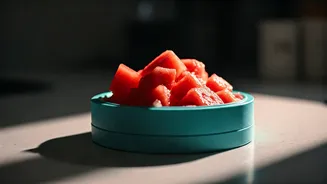
Ready to try it yourself? Making frozen watermelon treats for your dog is incredibly simple. 1. **Prep the Fruit:** Start with a seedless watermelon if you can find one. If not, meticulously remove every single black and white seed from the flesh. 2. **Remove the Rind:** Cut the green and white rind completely off. Your dog should only be eating the pink or red flesh. 3. **Slice or Cube:** Cut the watermelon into appropriate sizes for your dog. For small dogs, tiny cubes are great. For larger dogs, you can use bigger slices or wedges. You can also use cookie cutters to make fun shapes. 4. **Blend (Optional):** For a different texture, you can blend the seed-free, rind-free flesh into a purée. Pour this into an ice cube tray (silicone trays work best) for perfect, portion-controlled pupsicles. 5. **Freeze:** Place the slices, cubes, or filled ice cube tray on a baking sheet and freeze for at least four hours, or until solid. Then, store them in a freezer-safe container for a quick treat on a hot day.
A Few Final Pointers
Always introduce any new food to your dog slowly to see how their digestive system reacts. Start with a very small piece. If your dog has any underlying health conditions like diabetes, it's essential to talk to your vet before giving them sugary fruits like watermelon. While this trend is fun, your pet's safety should always be the top priority. If you’re looking for other safe, freezable options, blueberries and small pieces of banana are also great choices that many dogs love.