







The Theory: Thinning the Mucus
The logic behind the 'drink more water' advice seems sound. Dehydration can cause mucus in your sinuses and airways to become thicker and stickier. This makes it harder for the tiny hairs lining your nasal passages, called cilia, to move the mucus along
and clear it out. In theory, drinking plenty of water keeps the mucus thin and fluid, making it easier for your body to expel. This is why hydration is often recommended for coughs and chest congestion, as it helps make mucus easier to cough up. For general well-being when you're sick, especially if you have a fever that can lead to dehydration, keeping up your fluid intake is essential.
The Real Culprit: Inflammation
However, that stuffy, can't-breathe-at-all feeling is often caused less by thick mucus and more by inflammation. When your body detects an invader like a cold virus, or an irritant like pollen, it triggers an immune response. This response causes the blood vessels in the lining of your nasal passages to swell. It is this swelling of the tissues, not just a buildup of mucus, that narrows your airways and creates that sensation of being completely blocked. While you may also have excess mucus, the primary source of the blockage is inflamed tissue. Drinking water, unfortunately, does not directly reduce this swelling.
What's Causing Your Congestion?
Understanding the cause of your congestion is key to finding relief. Nasal congestion can stem from a wide variety of triggers. Infections like the common cold, flu, or sinusitis are frequent causes. Allergies to things like pollen, dust mites, or pet dander are another major factor, leading to a condition known as allergic rhinitis. Other potential causes include hormonal changes, structural issues like a deviated septum, nasal polyps, or even irritation from dry air or tobacco smoke. Each of these conditions involves inflammation of the nasal lining. Because inflammation is the common denominator, simply thinning mucus through hydration won't be a complete solution for the underlying problem.
More Direct Ways to Find Relief
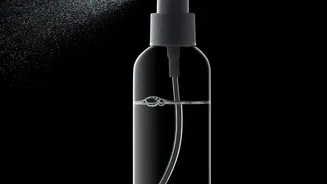
So if water alone won't do the trick, what will? To directly address the feeling of congestion, you need to target both the mucus and the inflammation. Steam is a highly effective tool. Inhaling steam from a hot shower, a bowl of hot water, or a humidifier can help moisten nasal passages and thin mucus. Applying a warm, moist washcloth to your face can also provide soothing relief. Saline nasal sprays or rinses are another excellent option; they help to flush out mucus and irritants while also moisturising the nasal passages. Over-the-counter decongestant sprays or tablets can also offer short-term relief by shrinking the swollen blood vessels in your nose, but they should be used cautiously and for limited periods to avoid a rebound effect.