



Understanding the Foundational Poses
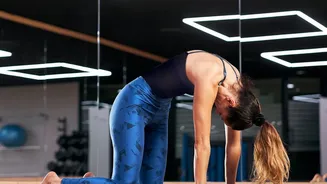
Cat-Cow is not a single pose but a dynamic flow between two complementary postures: Marjaryasana (Cat Pose) and Bitilasana (Cow Pose). The sequence begins on all fours in a 'tabletop' position, with your hands directly under your shoulders and your knees
under your hips. Cow Pose involves inhaling as you drop your belly, lift your chest and tailbone, and gaze forward, creating a gentle arch in your spine. Cat Pose is the opposite: on an exhale, you round your spine toward the ceiling, tuck your chin to your chest, and press the floor away, mimicking a stretching cat. This flowing movement is designed to gently awaken the body.
Why Your Breath Is the Anchor
In yoga, the breath, or 'pranayama', is considered the bridge between the body and mind. Coordinating breath with movement turns a physical exercise into a mindful, meditative practice. The conventional breathing pattern for Cat-Cow aligns with the body’s natural mechanics: you inhale to expand and lengthen into Cow Pose and exhale to contract and round into Cat Pose. This synchronisation does more than just create a rhythm; it signals to your nervous system that you are safe, helping to release tension and reduce stress. Focusing on the slow, steady flow of air quiets mental chatter and anchors your awareness firmly in the present moment.
A Step-by-Step Guide to the Flow
1. Start in Tabletop: Begin on your hands and knees. Align your wrists under your shoulders and knees under your hips, creating a flat back. Spread your fingers wide to distribute weight evenly.2. Inhale into Cow Pose (Bitilasana): Take a slow, deep breath in. As you do, allow your belly to drop toward the mat. Lift your chin and chest, and gaze forward or slightly upward. Feel the gentle arch through your spine, initiated from your tailbone.3. Exhale into Cat Pose (Marjaryasana): As you exhale slowly, reverse the movement. Tuck your tailbone, and draw your navel toward your spine, rounding your back toward the ceiling. Let the crown of your head release toward the floor without forcing your chin to your chest.4. Continue the Flow: Repeat this fluid cycle, moving from Cow on your inhales to Cat on your exhales. Aim for five to ten rounds, allowing your breath to guide the pace. The movement should feel gentle and intentional, not rushed.
Fine-Tuning Your Form: Common Mistakes
To get the most from this practice, pay attention to a few common alignment errors. First, avoid collapsing into your shoulders; instead, actively press the ground away with your hands to keep your shoulders broad and away from your ears. Another frequent mistake is leading with the head. The movement should originate from your pelvis and tailbone, with the motion rippling up the spine to your head last. Also, be mindful not to rush. The benefits come from slow, controlled movement that is synchronised with deep breaths. If you have sensitive knees, place a folded blanket under them for extra cushioning. For wrist discomfort, you can make fists with your hands or place your forearms on the mat instead.
The Rewards of Regular Practice
The beauty of Cat-Cow lies in its accessibility and its wide-ranging benefits. Performed regularly, this simple flow improves spinal flexibility and mobility, which is especially useful for relieving stiffness from prolonged sitting. It gently stretches the muscles of the back, neck, and abdomen, releasing tension and promoting better posture. The rhythmic motion also stimulates the abdominal organs, which can aid digestion. By strengthening the connection between breath and body, it enhances coordination and body awareness. Most importantly, it serves as a powerful tool for stress relief, calming the mind and preparing you for the day ahead or helping you unwind in the evening.