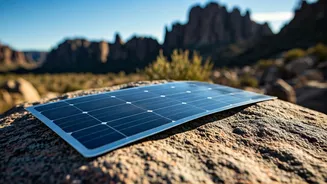









What Are Portable Solar Sheets?
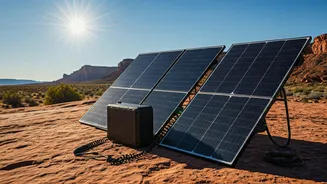
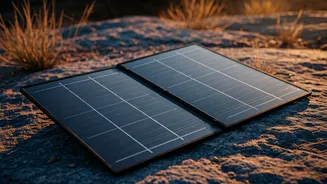
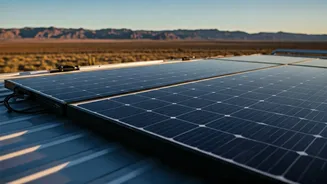
Imagine a solar panel you can fold up and slip into your backpack. That’s the promise of ultra-thin portable solar sheets, also known as flexible or foldable solar panels. Unlike the rigid, heavy glass panels you see on rooftops, these are made from lightweight,
pliable materials. They consist of a series of small photovoltaic cells laminated onto a durable fabric backing, designed to be unfolded in the sun and packed away when you're on the move. Their main job is simple: to capture sunlight and convert it into electrical energy, giving you a personal, portable power source for your gadgets.
Why They Are a Game-Changer for Travellers
For anyone venturing off the beaten path in India, consistent power is a luxury. Whether you’re on a multi-day trek in Ladakh, camping in the Western Ghats, or on a long road trip through Rajasthan, a portable solar panel means you can keep essential devices running. This isn't just about posting photos; it's about safety and convenience. It allows you to keep your phone charged for navigation and emergencies, power a headlamp for your campsite, or even keep a camera battery topped up to capture every moment. This technology untethers you from the grid, granting you more freedom and self-sufficiency on your adventures.
How to Choose the Right Solar Sheet
Choosing the right panel can feel technical, but it boils down to your needs. The most important specification is wattage (W). A small 10-15W panel is great for trickle-charging a smartphone or a power bank. If you need to charge multiple devices or a larger power bank more quickly, a 20-30W panel is a better bet. Also, check the output ports. Most modern panels come with built-in USB-A or USB-C ports. A panel with multiple ports allows you to charge more than one device at a time, though this will split the power. Finally, consider its physical size and weight. The goal is to find the best balance between power output and portability for the type of travel you do most.
The Power Bank Is Your Best Friend
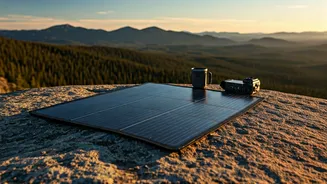
Here is the most important tip for using a portable solar panel: don't charge your phone directly from the panel. The power output from a solar panel fluctuates constantly with the sun’s intensity—when a cloud passes over, for example. This uneven current can stress and potentially damage the sensitive battery of your smartphone or camera. The safest and most efficient method is to use the solar panel to charge a power bank. Power banks are designed to handle variable input. Once the power bank is full, you can use it to charge your devices with a stable, clean current, even long after the sun has set.
Essential Safety and Care Practices
To get the most out of your solar sheet, safety and proper care are crucial. First, never leave your panel and a charging device lying in direct, intense sunlight on a hot surface, like a car dashboard or a dark rock. This can cause both the panel and your device to overheat, which is a major fire risk and can permanently damage batteries. Second, check the panel’s water-resistance rating (IP rating). While many are designed to withstand a light shower, they are not meant to be submerged. Always use high-quality charging cables to prevent short circuits. After your trip, wipe the panels clean of dust and dirt, as a clean surface is a more efficient one.
Tips for Maximum Sun Power
Harvesting solar energy is an art. To maximise efficiency, angle the panel directly towards the sun. During the day, you may need to reposition it every hour or two as the sun moves across the sky. Many panels come with loops or carabiners, allowing you to hang them from your backpack while you hike, ensuring you’re collecting energy even on the move. Remember that performance will drop significantly on overcast days, so it’s wise to take full advantage of any direct sunlight you get. Think of it as topping up your power bank whenever the opportunity arises, not as a guaranteed, on-demand power source.