





A Symphony for the Senses
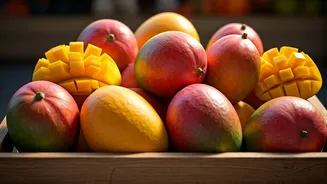
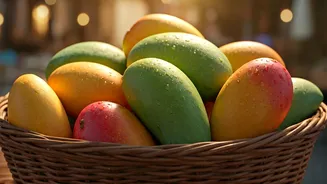
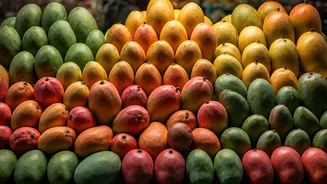
To call it a crowd would be an understatement. A river of humanity, young and old, flowed through the festival grounds, their faces a mixture of anticipation and pure delight. The visual was just as overwhelming as the aroma. Stalls were piled high with
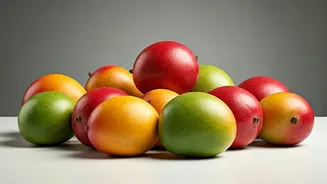
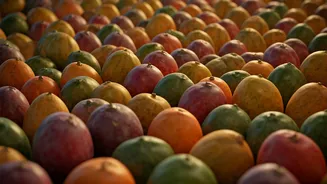
pyramids of gold, saffron, and blushing green. The sound was a cheerful cacophony: the buzz of excited chatter, the calls of vendors extolling the virtues of their prized fruit, and the laughter of children participating in a mango-eating competition, their faces sticky and triumphant. This wasn't just a market; it was a pilgrimage site for the fruit-obsessed, a sensory overload in the best possible way. Every corner turned revealed a new shade of yellow, a new permutation of the beloved fruit.
The King and His Court
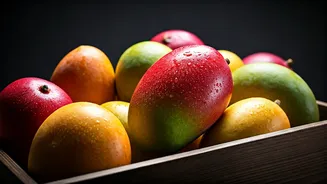
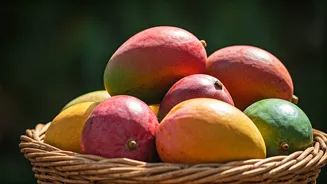
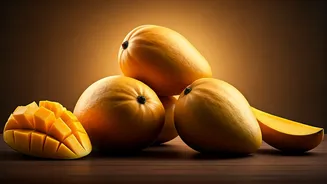
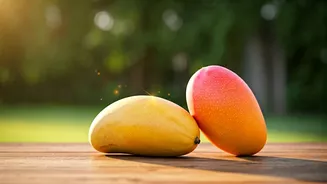
While the event was billed as 'international', the undisputed king was the Alphonso. Hailing from Maharashtra's Konkan coast, its creamy texture and honeyed sweetness had devotees lining up, ready to pay a premium for a box of the real thing. Conversations were peppered with debates on authenticity—the subtle curve of the stem, the specific shade of saffron-yellow, the intoxicating fragrance that separates a true 'Hapus' from an impostor. Yet, the king did not rule alone. His court was vast and impressive. From the tangy, fibreless Dasheri of Uttar Pradesh and the uniquely shaped Langra of Varanasi to the sweet Chausa and the robust Totapuri, hundreds of varieties were on display. It was a living museum of India's mango biodiversity, reminding everyone that while Alphonso may wear the crown, the kingdom is rich with contenders.
More Than Just a Fruit
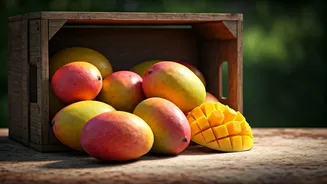
The festival was a testament to the mango's incredible versatility. Beyond the baskets of fresh fruit, the event showcased a thriving cottage industry built around it. There were stalls selling every conceivable mango product: tangy aam papad, spicy pickles simmering with family history, sweet chutneys, refreshing mango lassis, and even decadent mango kulfi. Artisans demonstrated the delicate craft of mango carving, transforming the simple fruit into intricate floral designs. The annual mango-eating competition drew the biggest crowds, a gleeful, messy spectacle where participants raced to devour as many mangoes as possible in three minutes. It was a joyous, uninhibited celebration of a shared love, proving the mango’s role extends far beyond the dining table into the very fabric of Indian culture.
A Sweet Slice of Diplomacy
The 'international' in the festival's name wasn't just for show. While dominated by Indian varieties, the event also serves as a platform for agricultural diplomacy and trade. Over the years, it has hosted farmers and delegates from other mango-growing nations, fostering an exchange of knowledge and cultivation techniques. More importantly, it acts as a vibrant showcase for promoting Indian mango exports. For government bodies and farmer cooperatives, it’s a chance to connect with international buyers and demonstrate the quality and variety of India’s produce. In a world of complex trade negotiations, the simple, universal appeal of a delicious mango becomes a powerful tool for building bridges and opening markets. It's a reminder that culture and commerce can, and often do, grow on the same tree.