



The Unseen Enemy: Thermal Noise
In digital photography, 'noise' refers to random, unwanted speckles of color and brightness that degrade image quality. While several types exist, the primary villain in long-exposure astrophotography is thermal noise, also known as dark current. This
noise is generated by the camera's sensor itself. As the sensor operates, it heats up. This thermal energy can excite electrons in the sensor's pixels, causing them to register a signal even when no light (photons) has hit them. The camera's electronics can't distinguish between these 'thermal electrons' and the 'photoelectrons' created by light from a distant star, so this false signal gets baked into your image, appearing as random, colorful pixels.
The Long-Exposure and High-ISO Trap
Capturing faint deep-sky objects like nebulae and galaxies requires two things: very long exposures (often several minutes per shot) and high ISO settings to maximize the sensor's sensitivity to light. Unfortunately, this combination creates a perfect storm for thermal noise. A long exposure gives the sensor more time to get hot, and therefore more time to generate thermal electrons. The longer the shutter is open, the more this unwanted signal accumulates. Meanwhile, a high ISO setting acts like an amplifier for the entire signal. While it boosts the faint light from your celestial target, it also aggressively boosts the thermal noise that has accumulated, making it dramatically more visible in the final image.
Signal-to-Noise Ratio is Everything
The ultimate goal in astrophotography is to achieve a high signal-to-noise ratio (SNR). The 'signal' is the precious light from your target object, and the 'noise' is everything else that pollutes the image, with thermal noise being a major component. When the sensor is warm, it can generate so much dark current that the noise level begins to overwhelm the faint signal of a distant nebula. Your beautiful cosmic subject gets lost in a sea of digital static. By lowering the temperature, you dramatically reduce the amount of thermal noise generated. As a rule of thumb, every 5-7°C decrease in sensor temperature can cut the dark current in half. This purifies the image, allowing the faint, true signal to shine through, resulting in a much cleaner and more detailed photograph.
Fighting the Heat: Cooling Solutions
Recognizing this fundamental problem, manufacturers of dedicated astrophotography cameras build in sophisticated cooling systems. The most common solution is a thermoelectric cooler (TEC), also known as a Peltier device. This solid-state component acts like a heat pump, actively transferring heat away from the back of the camera sensor. Paired with a heat sink and a fan to dissipate the collected heat, a TEC can lower the sensor's temperature to a precise, stable level—often 30°C or more below the ambient air temperature. This allows for consistent performance throughout a long night of imaging and is critical for creating proper calibration frames, like dark frames, which are used to subtract noise during image processing. Some enthusiasts even retrofit their standard DSLR cameras with external Peltier coolers to gain a similar advantage.
The Proof is in the Pristine Pixels
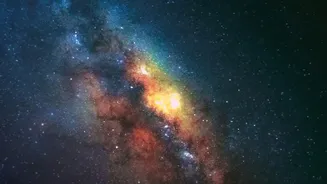
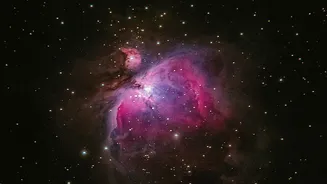
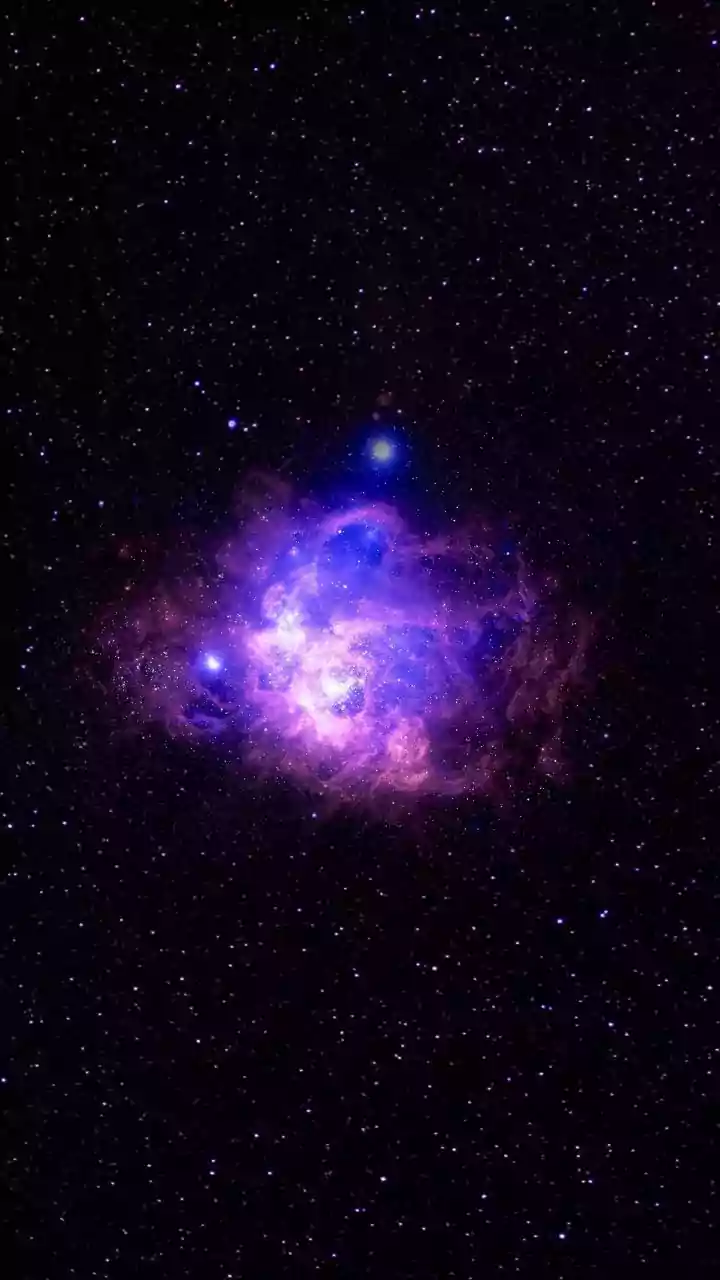
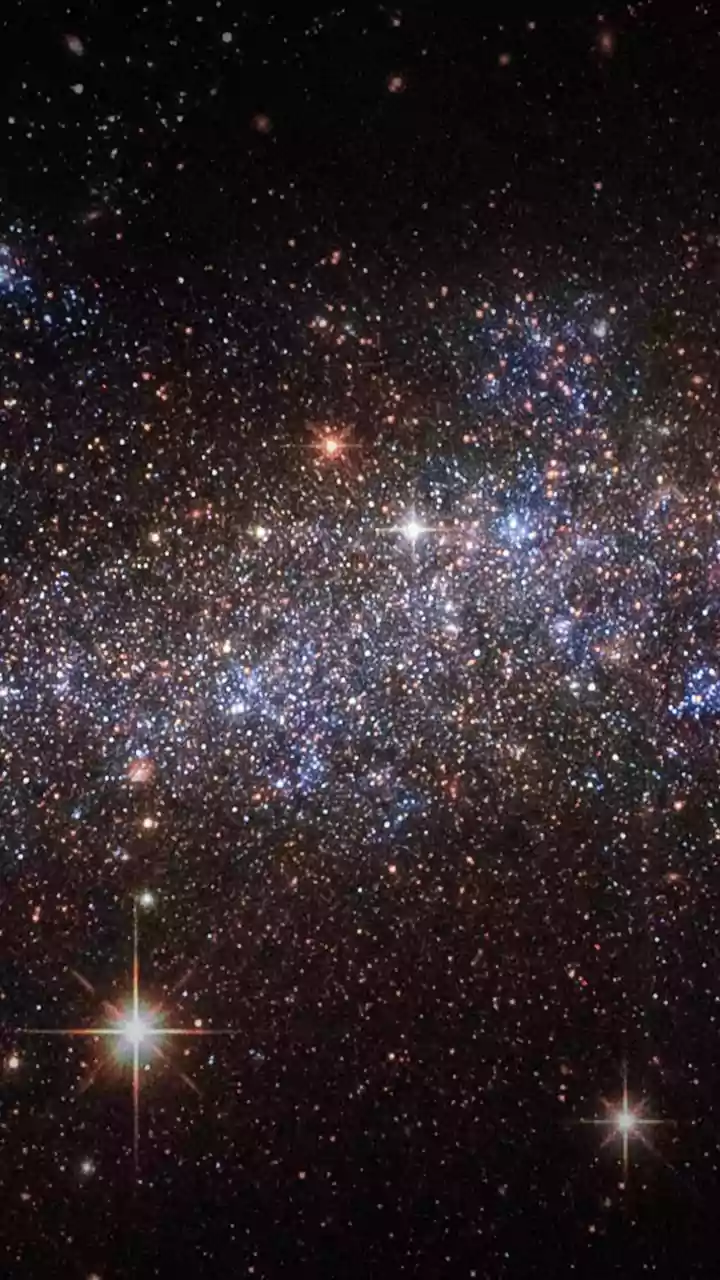
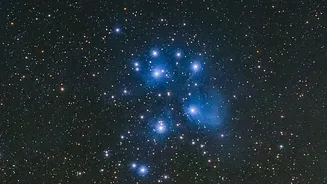
The difference between an image taken with a warm sensor and one from a cooled sensor is night and day. An uncooled, multi-minute exposure on a warm night can look like a blizzard of red, green, and blue specks, with the faint details of a galaxy completely obscured. A cooled image from the same camera under the same conditions will be dramatically cleaner, showing a smooth, dark background and allowing the delicate structures of the target to become clearly visible. Cooling doesn't just make the image look better; it fundamentally increases the amount of usable data captured. It transforms a noisy, compromised shot into a clean canvas, ready for processing to reveal the universe's hidden beauty. For any serious deep-space project, controlling the sensor's temperature isn't a luxury—it's an essential requirement for success.