

What is a Rain-First Mindset?
A rain-first mindset isn't about ignoring the downpour; it's about preparing for it so thoroughly that it becomes part of the adventure, not an obstacle. It means accepting that you will get wet and that trails will be muddy and slippery. This mental
shift is crucial. Instead of seeing the rain as a problem to be solved, you see it as the defining feature of the landscape's beauty. It’s the reason for the lush greenery, the roaring waterfalls, and the cool, clean air. This acceptance allows you to focus on the experience — the sounds of the rainforest, the vibrant colours, and the unique wildlife that emerges only during this season. It transforms the trek from a battle against the elements into a deep immersion in nature's grandest show.
Gear: Your Rain-Ready Armour
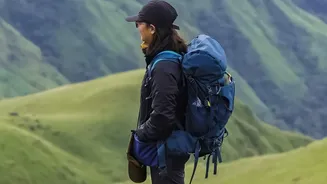
Your mindset is your strategy, but your gear is your tactical advantage. The right equipment is non-negotiable. Start with your feet. Invest in trekking shoes with deep lugs for excellent grip on slippery basalt rock, which is common in the Ghats. Waterproofing is good, but quick-drying shoes might be better, as everything eventually gets wet. Pair them with synthetic or wool socks; cotton is a trekker's enemy, as it absorbs water, gets heavy, and causes blisters. For your body, a high-quality poncho is often superior to a rain jacket. It provides better ventilation in the humid climate and covers you and your backpack. Wear quick-drying synthetic trekking pants, not jeans, which become impossibly heavy and restrictive when wet.
Packing for a Downpour
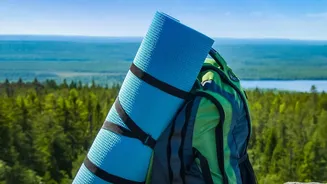
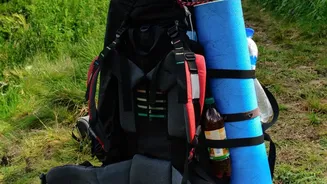
How you pack is as important as what you pack. The number one rule is compartmentalisation using waterproof dry bags. Use them to separate everything: one for your sleeping clothes, one for electronics, and one for your first-aid kit. This ensures that even if the main compartment of your backpack gets damp, your critical items remain bone dry. Always use your backpack's rain cover as the first line of defence. Pack a separate, easily accessible bag for wet clothes to avoid mixing them with your dry gear. An ultralight, quick-dry towel is invaluable. Finally, protect your electronics. Store phones and power banks in zip-lock bags or dedicated waterproof pouches. There are few disappointments greater than a water-damaged camera on a scenic trail.
On-Trail Wisdom
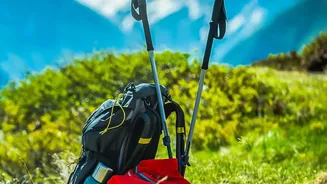
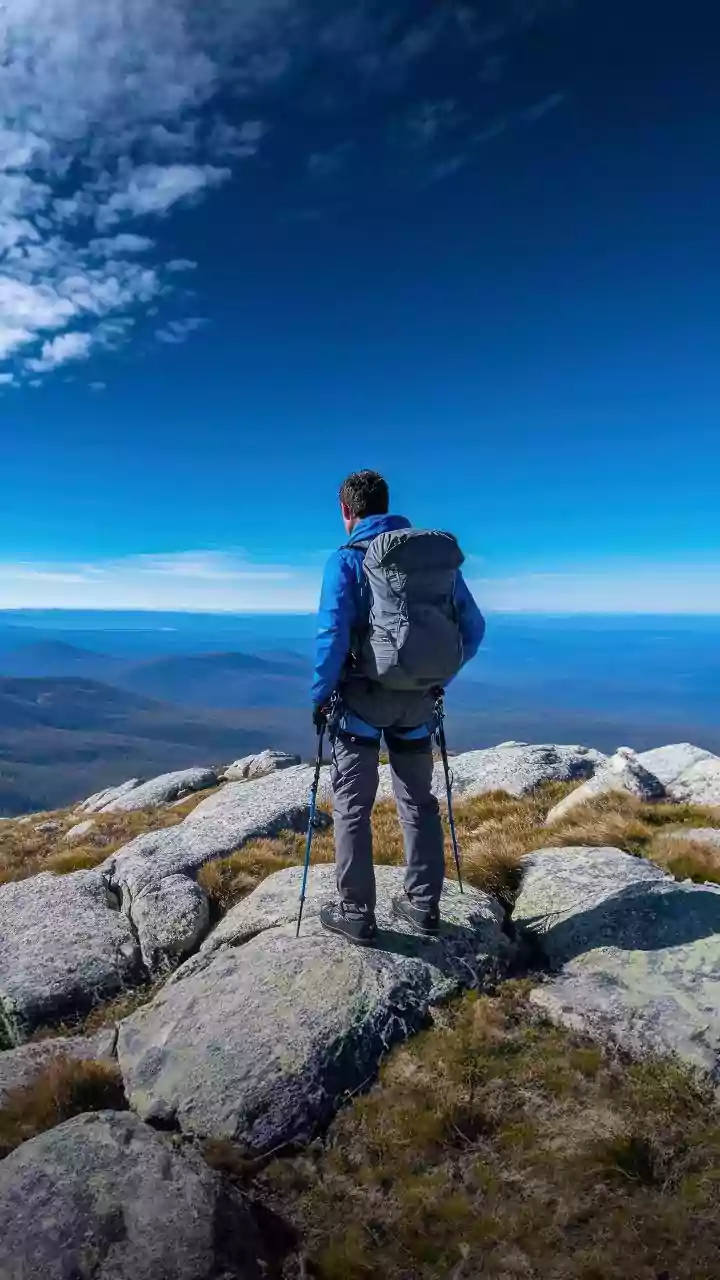
Trekking in the monsoon demands a different rhythm. Slow down. The trails are slippery, and visibility can be poor. Use trekking poles for added stability and to gauge the depth of muddy patches or streams. The Western Ghats are notorious for leeches during the monsoon. While mostly harmless, they can be a nuisance. Wear leech socks or tuck your pants into your regular socks as a deterrent. Always stay hydrated. The cool, humid air can trick you into thinking you're not losing fluids, but you are. When crossing streams, be extra cautious. If the water is fast-flowing or above knee-deep, do not attempt to cross. Mountain weather is unpredictable, and streams can swell into raging torrents in minutes.
Safety is Paramount
Before you even set foot on the trail, check the weather forecast and be aware of any local advisories. Many trails can become dangerous due to landslide risks or flash floods in narrow gullies. It's always best to go with a group and, if you're new to the area, hire a local guide. They possess invaluable knowledge of the terrain and its changing conditions. Ensure your first-aid kit is well-stocked, with antiseptic for cuts and any personal medications. Have a plan for emergencies and inform someone of your itinerary before you leave. The goal is to have an adventure, and the best adventures are the ones you return from safely, with stories to tell and a newfound appreciation for the rain.