







Indonesia is a beloved destination for Indian travellers, and the convenience of QR code payments makes exploring easier than ever. But a new warning from cybersecurity firm Kaspersky highlights a growing threat targeting tourists at the point of sale.
The Rise of a Cashless Convenience
From bustling markets in Jakarta to beachside cafes in Bali, the QR code has become a ubiquitous part of the payment landscape in Indonesia. The nation's standardized QRIS (Quick Response Code Indonesian Standard) system allows visitors to pay for everything from street food to souvenirs using a single, unified code that works across various digital wallets and banking apps. This digital leap has made transactions seamless and reduced the need to carry large amounts of cash, a welcome convenience for international tourists. However, this widespread adoption has also created a fertile ground for scammers, who exploit the trust and speed of the system to target unsuspecting users, including the growing number of Indian visitors.
How the QR Code Scams Work
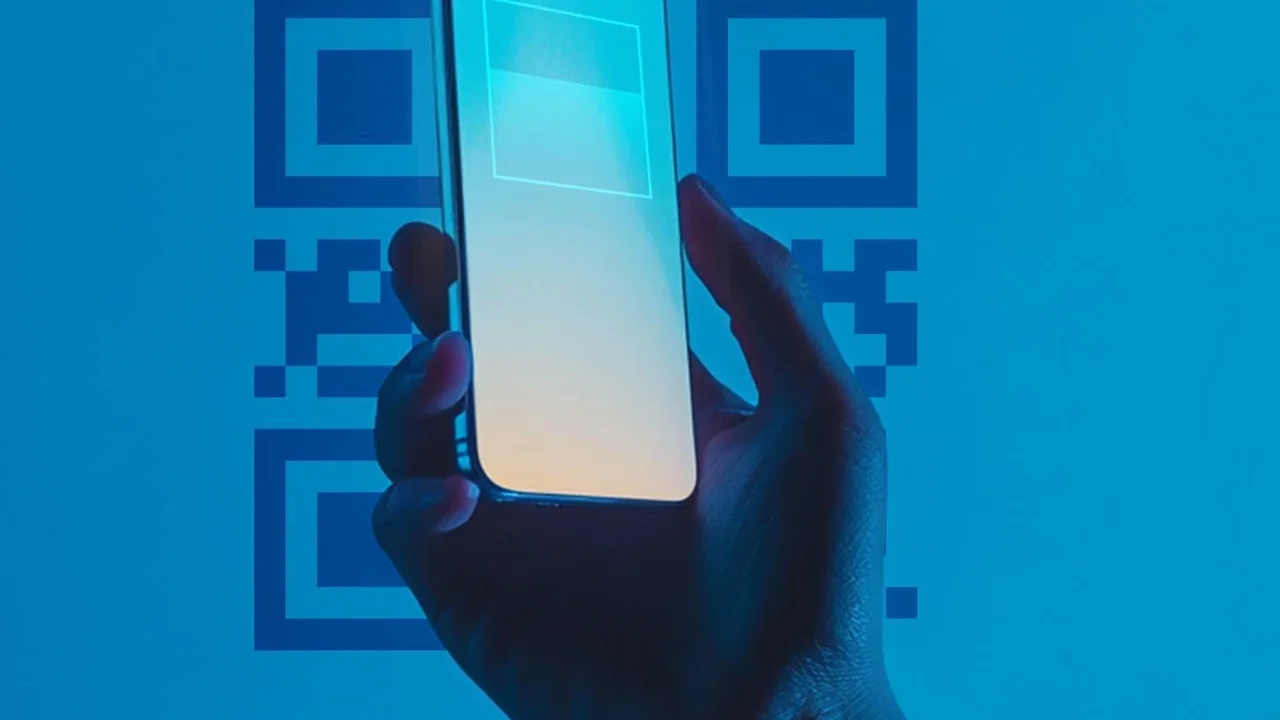
Cybercriminals are using simple but effective methods to divert money from legitimate businesses to their own accounts. The most common tactic involves physically placing a fraudulent QR code sticker over a merchant's real one. This can happen at restaurant tables, cashier counters, parking meters, and even on donation boxes. An unsuspecting customer scans what they believe is the official code, but the payment is redirected to the scammer. Another method involves 'quishing' (QR code phishing), where a malicious code directs you not to a payment gateway but to a fake website designed to steal your financial details, passwords, or other personal information. Scammers often take advantage of busy, crowded environments where tourists are likely to be distracted and complete transactions quickly.
Red Flags: What to Look For
Vigilance is your best defence. Before you scan any QR code, take a moment to inspect it. Look for signs of physical tampering, such as a sticker placed over another code or a hastily printed label that looks different from official signage nearby. Be wary if the merchant name that appears in your payment app after scanning does not match the name of the shop or restaurant you are in. Scammers often register accounts under generic or nonsensical names. If the code directs you to a website instead of your payment app's confirmation screen, close it immediately, as this is a major red flag for phishing. Do not proceed if a QR code prompts you to download an unknown application or asks for personal data beyond the payment amount.
Kaspersky’s Safety Checklist for Travellers
Cybersecurity experts at Kaspersky recommend a multi-layered approach to stay safe. First, always doublecheck the recipient's details on the payment confirmation screen before authorising the transaction. Second, be cautious when using public Wi_Fi for financial transactions; consider using a VPN to encrypt your connection. It's also wise to book accommodation and tours through official websites rather than clicking on links in unsolicited emails. Enable multi_factor authentication on all your financial and travel_related accounts for an extra layer of security. Finally, keep transaction notifications turned on and regularly review your bank statements to quickly spot any unauthorised charges.
Beyond QR Codes: General Travel Safety
While QR code scams are a specific digital threat, it's important to practice general safety while travelling in Indonesia. The Indian Consulate General in Bali advises tourists to avoid carrying large amounts of cash and to use hotel safes for valuables. When using taxis, opt for licensed, metered providers or use reputable ride_hailing apps like Grab or Gojek to avoid inflated fares. Always drink sealed bottled water and be cautious with street food to avoid health issues. By combining digital vigilance with common_sense travel safety, you can ensure your trip to Indonesia is memorable for all the right reasons.