






The New Himalayan Rush
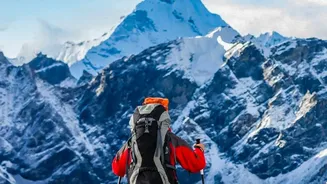
The call of the mountains has grown more intense. Today, an increasing number of adventurers are seeking more than just scenic trails; they're chasing adrenaline through ultra-marathons, high-altitude cycling races, and technical mountaineering expeditions.
This surge in extreme events is fueled by a global fitness culture, the powerful allure of social media achievements, and a desire for transformative experiences. Organisers are capitalizing on this trend, marketing the Himalayas as the ultimate proving ground. This boom, however, brings with it a complex set of challenges that extend beyond the individual participant, affecting local communities, ecosystems, and the long-term sustainability of tourism in these fragile environments.
The Unseen Dangers
The risks in the high Himalayas are numerous and often underestimated. Beyond the obvious dangers of falls and exhaustion, adventurers face the severe threat of Acute Mountain Sickness (AMS), unpredictable weather that can turn deadly in minutes, avalanches, and rockfalls. Many participants, drawn by the epic scale of these events, arrive without adequate acclimatisation or a true understanding of the environment's unforgiving nature. The problem is compounded by a commercialisation that can sometimes prioritise profit over precaution. Recent incidents across the region serve as a stark reminder that the mountains demand respect, and that the gap between perceived ability and the stark reality of high-altitude survival can have tragic consequences.
A Growing Awareness Gap
There is a significant disconnect between the marketing of adventure and the communication of risk. While some enthusiasts are seasoned athletes, many are amateurs inspired to push their limits, sometimes without the requisite training or experience. This awareness gap is a critical issue. Do participants fully grasp the limited medical facilities in remote areas? Do they understand that rescue operations are complex, dangerous, and not always possible? The responsibility doesn't just lie with the individual. It is also on the tour operators and event organisers to provide transparent information, enforce minimum fitness standards, and not oversell an experience while downplaying its inherent dangers. The thrill of the challenge should never eclipse the necessity of thorough preparation and honest self-assessment.
A Call for Regulation
In response to the growing number of incidents, state governments are beginning to act. Uttarakhand, for instance, is developing a comprehensive regulatory framework to bring order to the booming adventure sector. Proposed measures include the mandatory registration of all trekking and mountaineering agencies, setting a minimum age for high-altitude treks, and requiring guides to have formal certification from recognised institutions like the Nehru Institute of Mountaineering. Furthermore, there are plans to make medical fitness certificates and insurance mandatory for participants, and to hold operators accountable for obtaining accurate weather forecasts before any expedition. These steps aim to professionalise the industry and create a safer environment for everyone involved, including ensuring local residents benefit through mandated employment quotas.
The Path to Sustainable Adventure
The future of Himalayan tourism does not lie in banning extreme sports, but in managing them intelligently. This requires a multi-pronged approach built on a foundation of education, regulation, and respect. Effective risk management is key, transforming a potentially hazardous pursuit into a rewarding one. For adventurers, this means investing in proper training, choosing reputable operators, and being honest about their physical and mental limits. For the industry, it means embracing a culture of safety, where clear communication and responsible practices are paramount. And for authorities, it means enforcing robust guidelines that protect both people and the fragile mountain environment. The goal is to ensure the Himalayas remain a source of inspiration and adventure for generations to come, not a testament to avoidable tragedies.