





Textiles as Living History
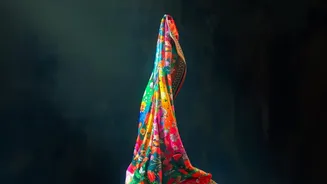
Cloth in India has always been more than just material; it's a language of identity, community, and memory. Several recent publications are diving deep into this world. Books like 'The Fabric Of India', created alongside the Victoria and Albert Museum's
landmark exhibition, go beyond being a simple catalogue. They present a narrative that frames textiles as powerful tools of politics and trade that shaped global tastes for centuries. Another notable volume, 'Costumes and Textiles of Royal India' by Ritu Kumar, traces the intricate craftsmanship that flourished under royal patronage, explaining why certain fabrics still carry immense cultural weight today. These books are filled with stunning visuals, from archival photographs to detailed close-ups of weaves, but their real power lies in connecting the threads on a loom to the grander story of India. They remind us that to understand Indian textiles is to read a living history of trade, ritual, and identity.
The Beauty of the Everyday Object
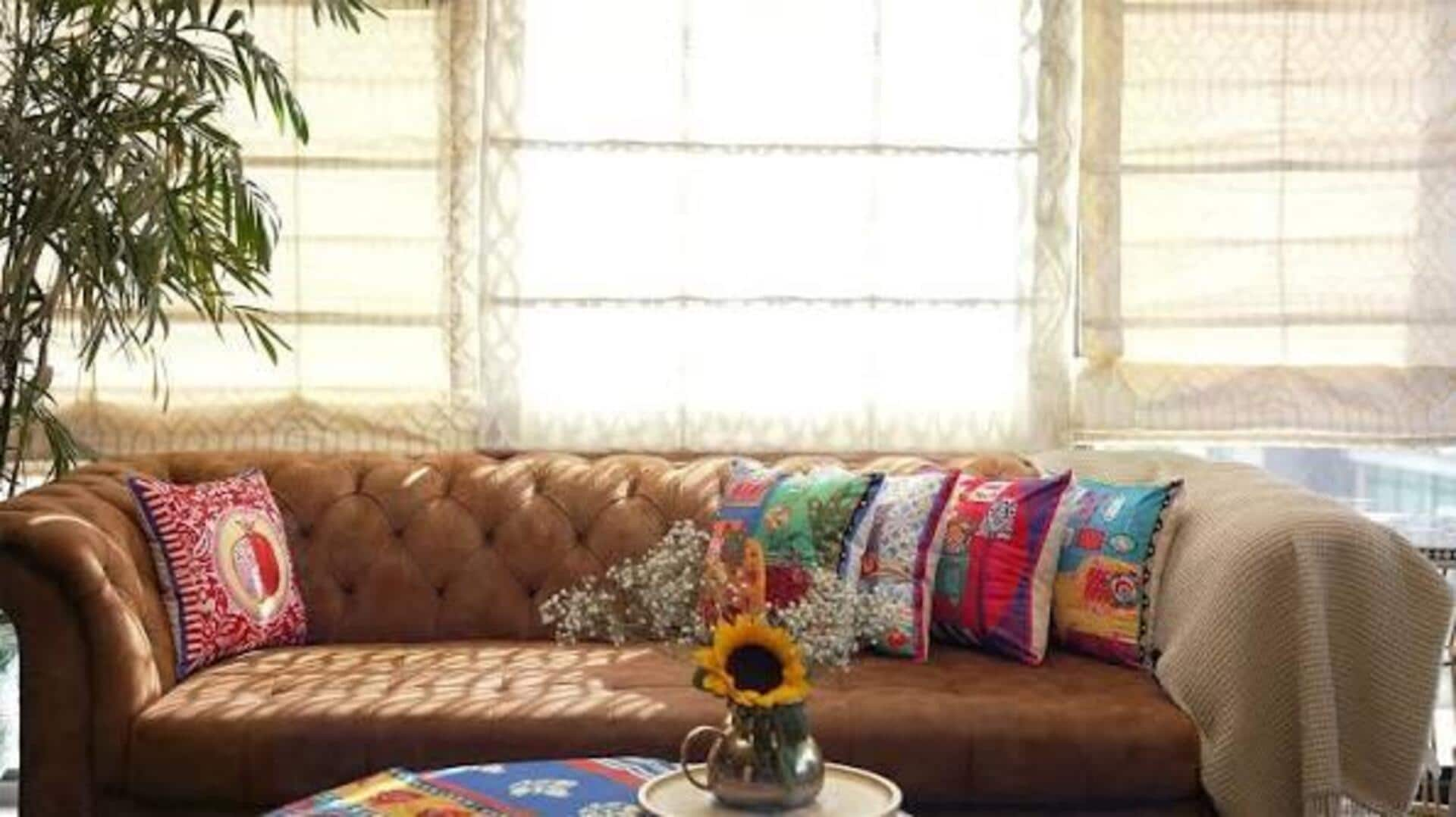
Great design isn't confined to museums; it lives in our homes and on our streets. A fascinating trend in recent publications is the celebration of the everyday. Books like Phaidon's 'Sar: The Essence of Indian Design' explore the timelessness of 200 classic, often anonymous objects that are deeply connected to Indian culture. Think of the humble steel tiffin, the lota, or the wooden printing block—each perfected over generations for maximum function and subtle beauty. Similarly, 'Everyday Indian Aesthetic' by Sayali Goyal celebrates the simple beauty found in daily rituals and home decor, showing how Indian design is not just something to be viewed, but something that is lived. These books shift our focus from the monumental to the mundane, revealing the genius of functional, accessible design that has served communities for centuries and continues to define a uniquely Indian way of life.
Decoding Architectural Legacies
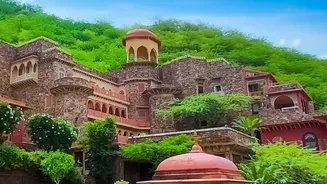
Indian architecture is a vast subject, and recent books are finding new ways to explore its complexities for a modern audience. Rather than broad surveys, the focus is turning to specific movements and legacies. For instance, several publications revisit the work of modern masters like Charles Correa and Shivdatt Sharma, who adapted modernist principles to Indian contexts, creating climate-responsive and culturally grounded buildings. Other works, like 'To Reach the Source', offer a visual pilgrimage to India's ancient stepwells, documenting them not as ruins but as masterful temples of water that blended community, ritual, and design. From volumes that read nineteenth-century brick buildings as archives of South Indian craft to those that unpack the theories of traditional Indian architecture, these books provide critical perspectives on how India's built environment has evolved and continues to inspire.
The Language of the Street: Indian Typography
Perhaps one of the most exciting areas of documentation is in the field of graphic design, specifically Indian typography. The forthcoming 'India Street Lettering' by Pooja Saxena is the result of over a decade of documenting the vanishing art of hand-painted signs across the country. It's a vibrant visual archive of a typographic universe that exists far outside corporate style guides, showcasing how letterforms in multiple scripts evolve with local flavour and handcrafted ingenuity. This kind of documentation is crucial because, in an age of digital uniformity, the chaotic, multi-layered, and brilliantly inventive visual language of India's streets is a unique design heritage. These books aren't just for typographers; they are for anyone interested in the visual culture of our cities and the stories told by the signs that guide our daily lives.