







A Fusion for Modern Mindfulness
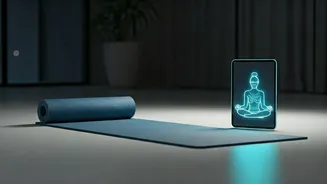
Imagine settling into your yoga mat, not for a series of complex asanas, but simply to breathe. As you begin your Ujjayi breath, a gentle, rhythmic hum starts playing in your headphones. This isn't just any music; it's a specific audio frequency designed
to guide your brain into a state of relaxation. This is the core of a new wellness movement that marries the profound, ancient techniques of Indian pranayama with the cutting-edge application of sound science. Fitness studios, wellness apps, and mindfulness coaches are increasingly offering sessions that promise a deeper state of meditation, reduced stress, and enhanced focus by creating a powerful synergy between breath and sound.
Decoding the Audio Frequencies
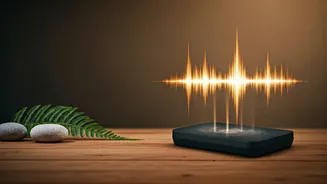
The “calming audio frequencies” mentioned in these new workouts typically refer to a few different types of sound. The most common are binaural beats. These work by playing two slightly different frequencies in each ear, prompting the brain to perceive a third, phantom tone that is the difference between the two. The theory is that your brainwaves will start to match this phantom frequency, a process called brainwave entrainment. For example, a beat in the 'alpha' range (8-13 Hz) is associated with a state of relaxed wakefulness. Other sounds used include isochronic tones (rhythmic pulses of a single tone) and Solfeggio frequencies, a set of specific tones that some believe have unique healing properties, although scientific evidence for the latter is much more limited.
The Unchanging Power of Pranayama
For thousands of years, pranayama—the formal practice of controlling the breath—has been a cornerstone of yoga. It's the understanding that our breath is intrinsically linked to our life force, or *prana*. Practices like Anulom Vilom (alternate nostril breathing), Bhramari (bee humming breath), and Ujjayi (ocean breath) are not just breathing exercises; they are sophisticated techniques designed to calm the nervous system, increase oxygen flow, and quiet the mind. An Indian audience needs no convincing of its power. Pranayama is our heritage, a tool for balance that has been passed down through generations. The new trend doesn't seek to replace this wisdom but to augment it with a modern tool.
The Synergy of Breath and Sound
So, how do they work together? Proponents claim the combination is more powerful than the sum of its parts. Pranayama already has a meditative, rhythmic quality. When you layer a specific audio frequency over it, it can act as an anchor, making it easier to slip into a focused state. For beginners who find their minds wandering during breathwork, the constant, gentle sound provides a non-distracting focal point. For experienced practitioners, it can be a tool to explore deeper states of consciousness. The sound of Bhramari pranayama, for example, is a self-produced frequency; combining it with an external one like a binaural beat can create a profoundly immersive vibrational experience.
Reported Benefits and What to Expect
Users of these hybrid workouts often report a number of benefits. The most common is a significant reduction in stress and anxiety. The combination of controlled breathing, which directly impacts the vagus nerve and slows the heart rate, with calming audio frequencies can create a powerful relaxation response. Many also find their ability to concentrate improves, making it a popular pre-work or mid-day break routine. Others use it to wind down before sleep, finding that it helps quiet a racing mind. While robust, large-scale scientific studies on the combined effect are still emerging, the individual benefits of both pranayama and meditative audio are well-documented.
How You Can Try It
Curious to experience this fusion? It's more accessible than ever. Many popular wellness apps in India and abroad, like Cult.fit, Headspace, and Calm, now offer guided pranayama sessions that incorporate binaural beats or other soundscapes. You can also find countless guided sessions on YouTube; just search for “pranayama with binaural beats.” For a DIY approach, you can simply play a chosen frequency from a sound app (like Brain.fm or myNoise) while you practice your preferred pranayama technique. The key is to use headphones to get the full effect of the stereo sound, find a comfortable position, and allow the breath and sound to guide you.