



The Nilgiri Advantage
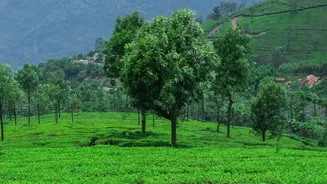
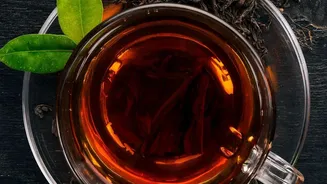
Often overshadowed by the robust malts of Assam and the delicate muscatel notes of Darjeeling, Nilgiri tea is finally having its moment. Grown at high altitudes in the Western Ghats, its leaves produce a brew that is remarkably smooth, aromatic, and naturally
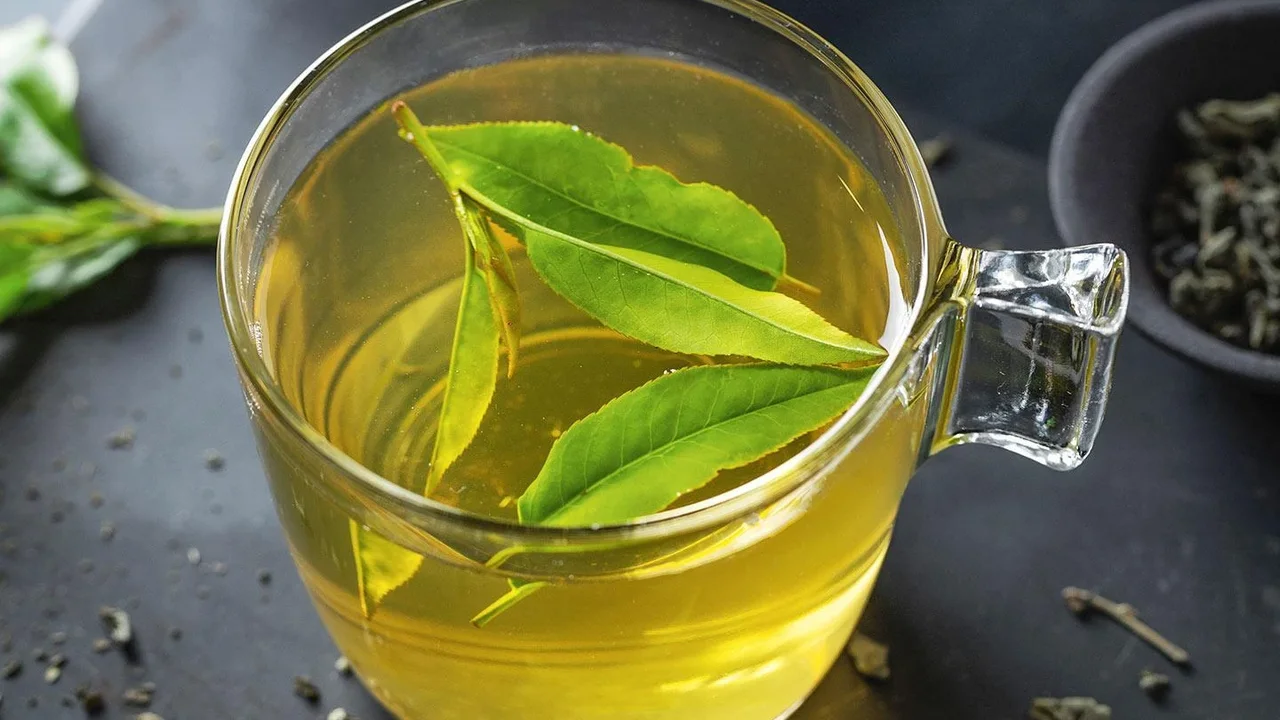
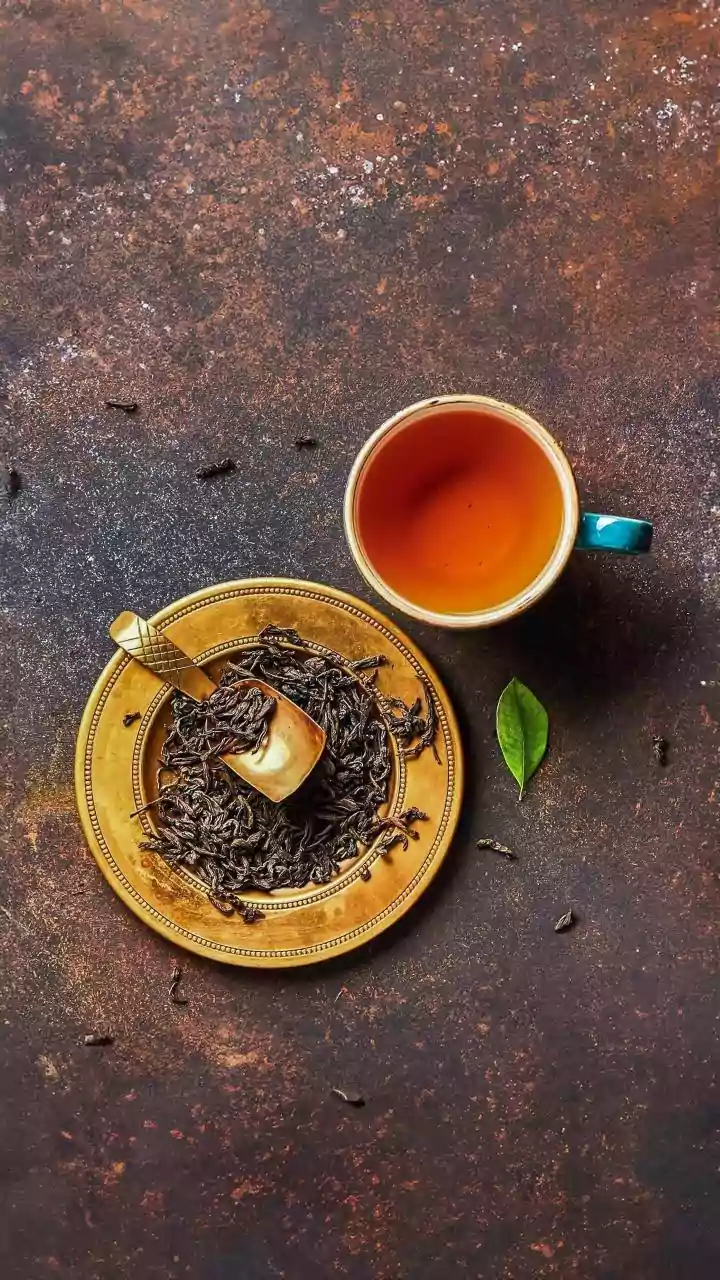
sweet. The secret lies in its chemical composition; Nilgiri tea is naturally low in tannins, the compounds that can lend a bitter or astringent taste to other black teas. This quality makes it a perfect base for beverages that don't need heaps of sugar to be enjoyable. Its clean, gentle profile, with inherent floral and fruity notes, provides an ideal canvas for creative blending. Furthermore, its liquor stays clear when chilled, unlike other teas that can become cloudy, making it visually appealing for iced preparations.
The Art of the Cold Brew
A key technique harnessed by these artisans is cold brewing. Instead of a quick, hot infusion, this method involves steeping Nilgiri leaves in cold water for several hours, typically between eight and twelve. This slow, gentle extraction process is transformative. It pulls out the tea’s nuanced floral and fruity flavours while leaving the bitter-tasting tannins behind. The result is a beverage that is exceptionally smooth and inherently sweet, requiring little to no added sugar. This method also extracts less caffeine than traditional hot brewing, offering a gentler energy lift without the jitters, making it an ideal all-day drink. For consumers, it’s a simple process that can even be replicated at home with a large jar and good quality leaves.
Blending Harvests and Flavours
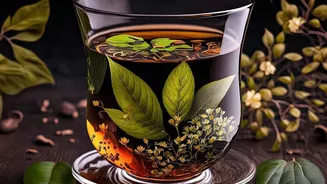
The true artistry emerges in the blending process. Producers don't just use a single type of leaf; they often blend different regional harvests to achieve a specific flavour profile. The 'winter flush' teas, harvested between December and February, are particularly prized for their concentrated aromatic compounds and rosy, sweet flavour. These can be blended with leaves from other seasons to create a balanced base. From there, the creativity blossoms. Artisans are moving beyond simple lemon and mint, infusing the tea with a host of natural ingredients. The goal is to create a harmonious drink where the tea and other elements enhance one another. This involves layering the tea leaves with fresh ingredients, allowing the tea to naturally absorb the aromatic oils.
A Celebration of Local Ingredients
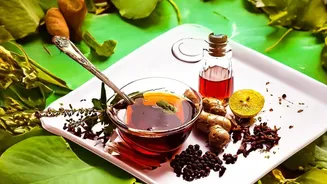
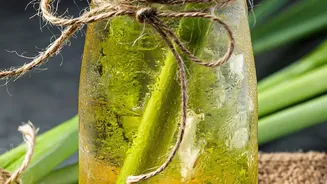
This new wave of tea refreshers is also a tribute to India's rich botanical diversity. Producers are pairing Nilgiri tea with regional fruits and spices, creating sophisticated profiles. Imagine a Nilgiri cold brew infused with the sweet tang of Nagpur oranges, the delicate notes of Mahabaleshwar strawberries, or the spicy warmth of fresh ginger. Other popular infusions include hibiscus, lemongrass, and chamomile, which add their own wellness properties and complex flavours. These natural additions provide subtle sweetness and complexity, eliminating the need for refined sugar or artificial sweeteners. It’s a move that aligns perfectly with the growing consumer demand for clean-label products that are free from chemicals and preservatives.
A Guilt-Free Indulgence
Ultimately, these low-sugar Nilgiri refreshers represent more than just a new beverage trend; they are part of a larger wellness movement in India. With a rising awareness of the health risks associated with high sugar consumption, consumers are actively seeking out guilt-free alternatives. These artisanal drinks deliver on both flavour and function. Nilgiri tea itself is rich in flavonoids and antioxidants that support overall wellness. By keeping the sugar content low or zero, producers offer a hydrating, flavourful, and genuinely healthy option. This trend is a celebration of thoughtful consumption, championing local ingredients, supporting small-scale artisans, and proving that healthy choices can also be incredibly delicious.