
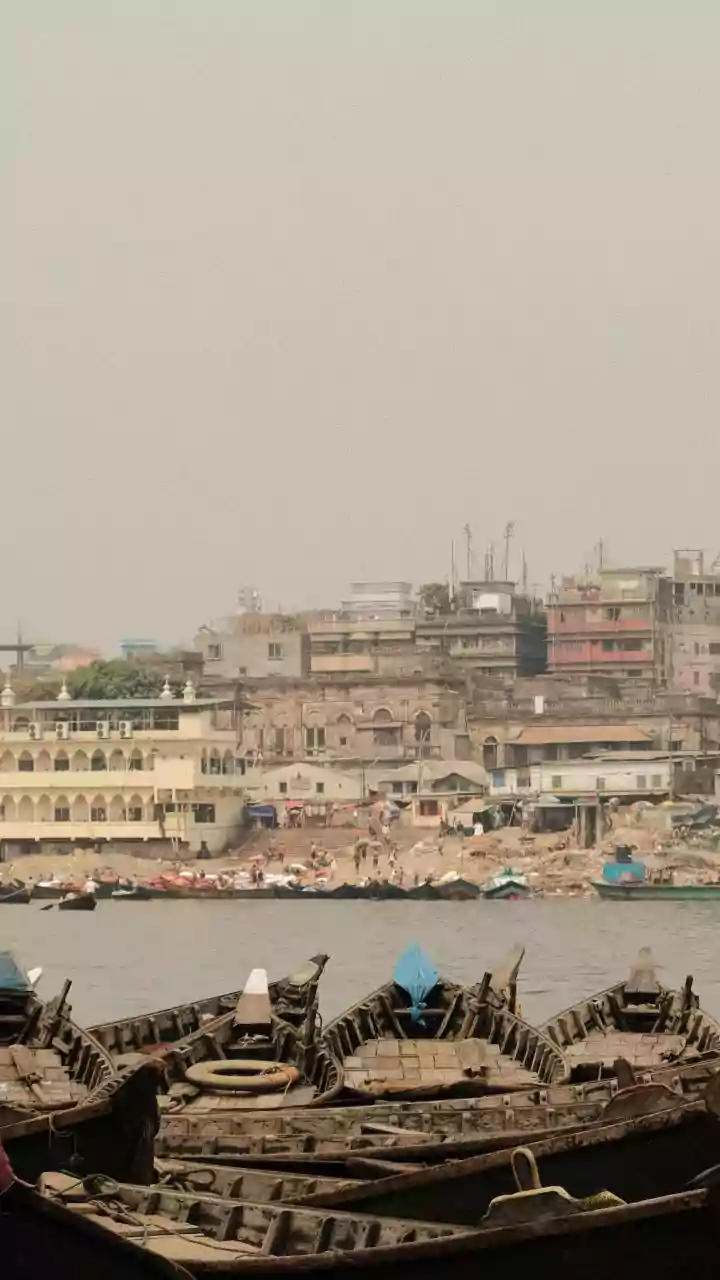


The new face of Indian commerce is no longer confined to bustling city centres. It's a delivery agent navigating a lane in a small town, a testament to a profound shift where e-commerce is unlocking a massive wave of consumer spending in 'Bharat'.
The Digital Bedrock of a Retail Revolution
The
story of India's non-metro consumption boom is built on a powerful trifecta: affordable data, widespread smartphone use, and a revolutionary digital payments system. With rural internet usage growing at four times the pace of urban areas, the digital divide is rapidly closing. Initiatives like the BharatNet project are pushing high-speed internet into hundreds of thousands of gram panchayats, creating the connectivity needed for online commerce. This digital access is supercharged by the Unified Payments Interface (UPI), which has transformed how India transacts. By late 2025 and early 2026, studies showed that UPI was the preferred payment method for around 67% of consumers in Tier-2 and Tier-3 markets. This seamless, low-cost payment system has been a critical enabler, making it easier for millions to shop online for the first time and significantly boosting financial inclusion and economic activity in rural areas.
Meet the New Wave of Online Shoppers
The consumer in a Tier-2 or Tier-3 city is not just a replica of their metro counterpart. Their motivations are distinct. For many, e-commerce is not about convenience; it's about access. It opens up a world of brands and products that are simply unavailable in their local physical stores. This has driven huge growth, with some reports from early 2026 indicating that nearly two-thirds of new orders for direct-to-consumer (D2C) brands came from these smaller cities, contributing to 60% of the incremental growth in market value. These shoppers are aspirational but also value-conscious. They are not necessarily impulsive buyers led by advertising. Instead, they are research-driven, relying heavily on community influence, peer recommendations, and video-first social media content to build trust. According to one report, YouTube reviews influence 37% of these consumers, while creator recommendations sway 23%, far outpacing the impact of traditional celebrity endorsements.
Cracking the Code of 'Bharat'
E-commerce giants have recognized that winning in non-metro India requires a different playbook. A key strategy has been localization, particularly through language. Offering platforms and content in vernacular languages has been crucial for engaging rural consumers. Another powerful tool is social commerce, a market in India projected to grow from around USD 10.9 billion in 2026 to over USD 54 billion by 2034. Models pioneered by companies like Meesho, which empowers a network of resellers, have thrived by leveraging community trust on platforms like WhatsApp. Larger players have taken note. Flipkart launched Shopsy, which accounted for 40% of its new customers by early 2023, with a significant portion from Tier-2 cities. Similarly, Amazon acquired social commerce platform GlowRoad in 2022. These moves, combined with the rise of video commerce and live shopping, are making online purchasing more interactive and trustworthy for first-time buyers.
Overcoming the Last Mile Hurdle
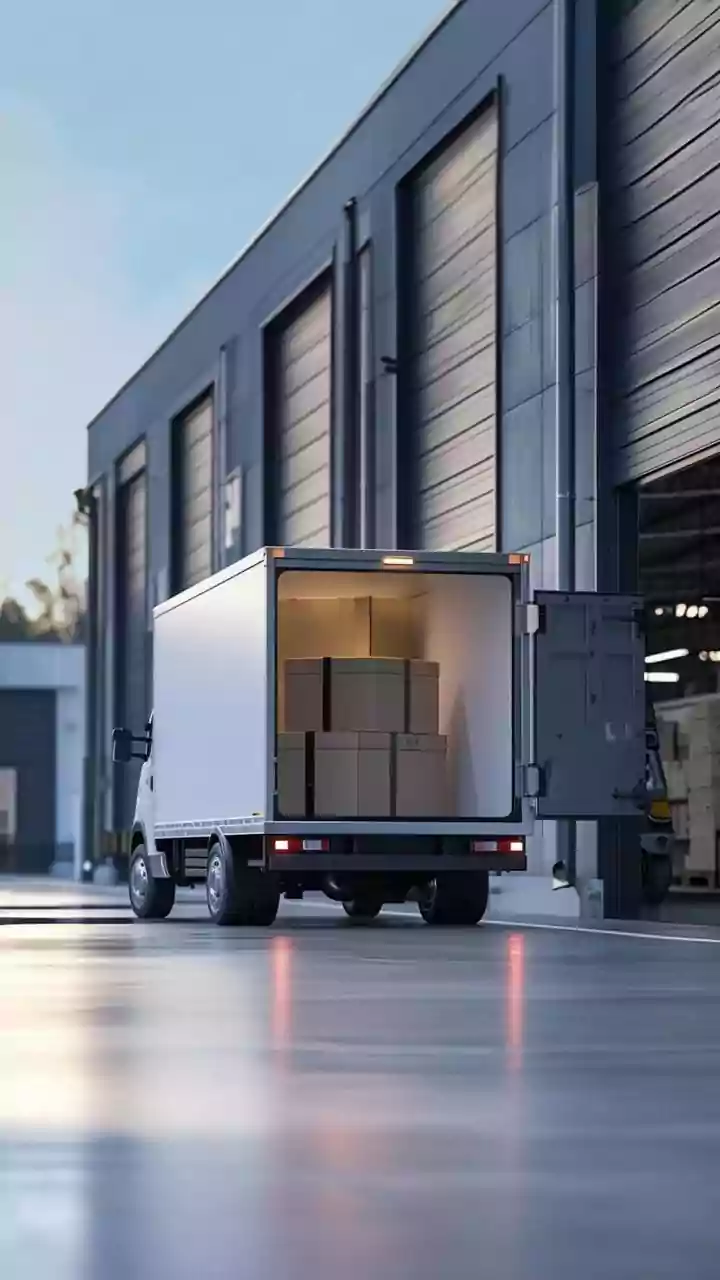
Delivering a package to a remote village presents challenges that don't exist in a metro. Poor road infrastructure, inconsistent address systems, and a lack of local distribution centres have historically made rural logistics expensive and inefficient. However, companies are innovating to solve this 'last mile' problem. They are adopting hub and spoke models, employing local delivery agents who know the area, and forming strategic partnerships with organizations like India Post to expand their reach. These logistical advancements are critical, as they directly impact customer satisfaction and the overall viability of e commerce in these regions. While challenges remain, significant government investment in infrastructure through programs like PM Gati Shakti is helping to reduce delivery times and costs, making the supply chain more efficient.
An Engine for Widespread Economic Growth
The impact of this e commerce expansion extends far beyond retail transactions. It is creating a new ecosystem of opportunities. The logistics boom is generating employment in warehousing, delivery, and supply chain management across small towns. Platforms like the Open Network for Digital Commerce (ONDC) are lowering entry barriers, allowing hundreds of thousands of smaller sellers and local artisans to access a national market. This shift is not just about bringing goods to rural India ; it is about taking products from rural India to the rest of the country. This digital integration is fundamentally altering India's economic geography, creating a more distributed and inclusive model of growth that empowers consumers and producers alike.