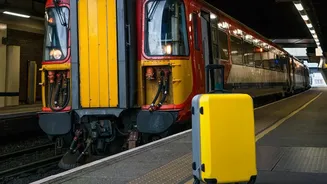







The Anatomy of a Station Scramble
Large railway junctions are complex systems. Last-minute platform changes happen for various operational reasons, such as managing train traffic, signal failures, or accommodating a late-running train that has occupied the scheduled platform. For passengers,
the problem is compounded in sprawling stations like those in Delhi, Mumbai, or Kolkata, where reaching a different platform can mean navigating multiple footbridges, long walkways, and immense crowds. The sudden announcement, often just minutes before arrival, triggers a mad rush, turning corridors and stairs into bottlenecks. This is especially stressful for the elderly, families with children, and people with disabilities, for whom a quick change is not just inconvenient but often impossible without assistance.
The Luggage Dilemma
Carrying anything more than a small backpack adds a significant layer of difficulty to this scramble. Hauling heavy suitcases or multiple bags up and down staircases is physically exhausting and slows you down considerably. While many major stations have started installing escalators and lifts, they are not yet universally available on every platform, and even when present, they can become dangerously overcrowded during a platform change rush. Passengers are often forced to choose between missing their train or risking injury by hurrying with their belongings. Furthermore, Indian Railways is implementing stricter luggage allowance rules, with weight limits per class similar to airlines. While this aims to reduce clutter, it doesn't solve the immediate problem of moving permitted luggage quickly and safely during a sudden change.
Your Best Defence: Pre-Travel Planning
The most effective way to mitigate the stress of a platform change is to be prepared. First, pack light. If you can manage with a single rucksack or a compact trolley bag, you’ll be far more mobile. For heavier or excess luggage, consider using the railway’s parcel service to book it in the brake van, though you'll need to do this in advance. Before leaving for the station, and while waiting, keep a close watch on your train's status using the official National Train Enquiry System (NTES) app or other reliable railway apps. These often provide the most current platform information, sometimes even before the public announcements are made.
On-the-Day Station Strategy
Arriving at the station well ahead of your departure time is crucial. This buffer gives you time to get your bearings, find your likely platform, and react calmly if there's a change. If you have heavy luggage, hiring a licensed porter (coolie) is a wise investment. They are familiar with the station's layout and can navigate the crowds and stairs far more efficiently. You can also make use of the 'Yatri Mitra Sewa' at major stations, which provides wheelchair and porter services that can be booked in advance. If you’re travelling with family or in a group, delegate tasks. Have one person listen for announcements while another watches the luggage, and move together as a unit.
Using Station Facilities Wisely
Many major stations now offer cloakroom services where you can store your luggage for a nominal fee. This is an excellent option if you have a long wait and want to be unburdened. When a platform change is announced, first locate the nearest footbridge with a ramp, lift, or escalator if available. Even if it seems slightly further away, it is often faster and safer than tackling a crowded staircase. Keep your ticket and ID handy, and always follow the electronic display boards in addition to listening to audio announcements, as they are often updated first. In the chaos, it's easy to get flustered, but staying calm and moving purposefully will get you to your train safely.