





Understanding Nature's Stress-Fighters
Before diving into a comparison, it's helpful to understand the category these herbs belong to: adaptogens. Think of adaptogens as nature's thermostats for your body. They are unique plants and herbs that help your system manage and adapt to physical
and mental stress. Instead of causing a jolt like caffeine, they work by supporting your body's core systems—primarily the neuroendocrine and immune systems—to build resilience over time. In Ayurveda, these are often called Rasayanas, or rejuvenators, prized for their ability to promote vitality and longevity. Ashwagandha and Brahmi are two of the most celebrated Rasayanas, but they offer very different paths to a balanced state.
Ashwagandha: The Choice for Burnout and Fatigue
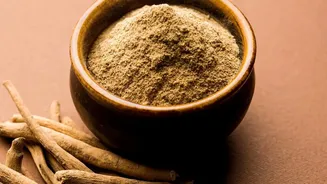
Traditionally known as 'Indian ginseng', Ashwagandha (Withania somnifera) is one of Ayurveda's most powerful herbs for combating stress. Its primary strength lies in tackling the physical manifestations of stress and burnout. If you feel exhausted, overwhelmed, and your sleep is suffering, Ashwagandha is often the recommended choice. It works by helping to regulate cortisol, the body's main stress hormone. When you're chronically stressed, cortisol levels can remain elevated, leading to fatigue and a weakened immune response. By supporting adrenal health, Ashwagandha helps restore energy levels, calm the nervous system, and promote deeper, more restorative sleep. Think of it as the go-to herb when stress leaves you feeling physically depleted.
Brahmi: The Solution for Mental Fog and Anxiety
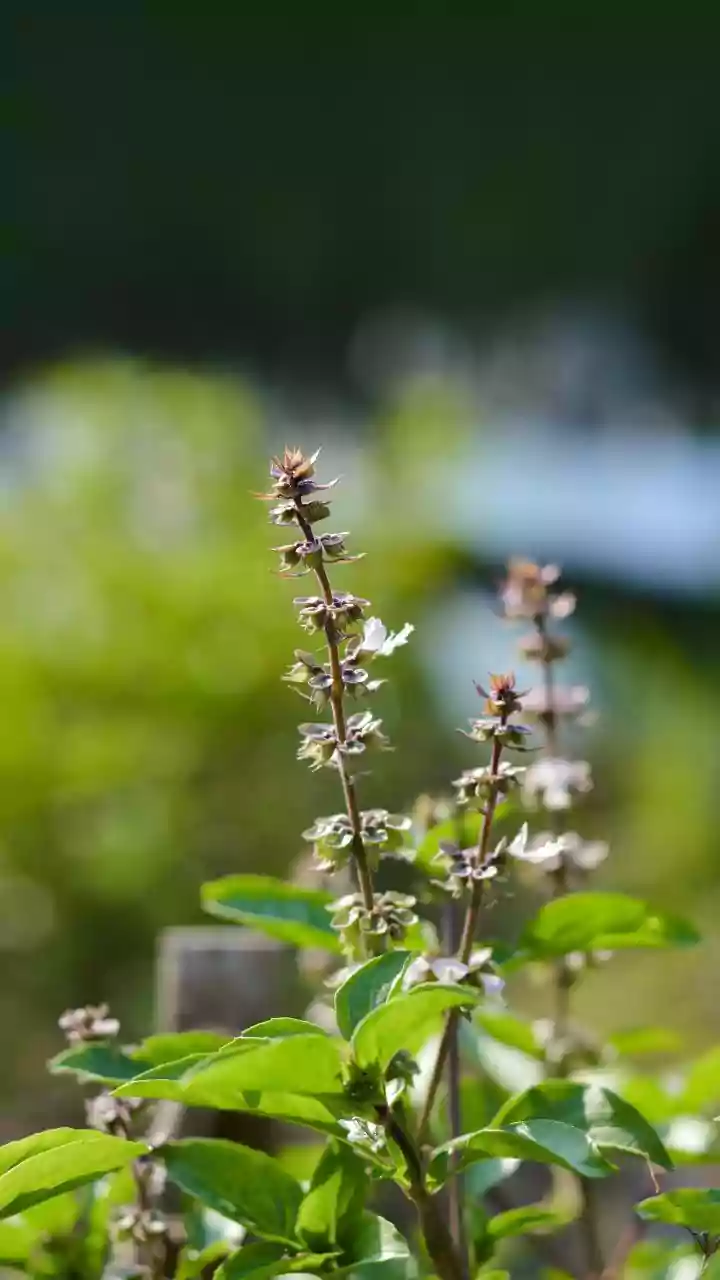
Brahmi (Bacopa monnieri) is hailed in Ayurveda as a premier brain tonic, or 'Medhya Rasayana'. Its benefits are primarily centred on the mind and cognitive function. If your stress manifests as mental fog, poor concentration, forgetfulness, or a racing mind, Brahmi may be the more suitable herb. It contains active compounds called bacosides, which are believed to help repair damaged neurons and improve communication within the brain. Studies suggest Brahmi can enhance memory, sharpen focus, and promote a sense of calm without causing drowsiness. This makes it particularly useful for professionals and students facing intense mental demands who need to stay sharp and composed under pressure. While Ashwagandha tackles physical exhaustion, Brahmi addresses mental strain.
Head-to-Head: Which Is Right for You?
Making the right choice depends entirely on your primary symptoms. Choose Ashwagandha if your main complaints are: - Physical exhaustion and burnout - Difficulty sleeping or poor sleep quality - Feeling overwhelmed and physically run down by stress - A need for increased stamina and energy Choose Brahmi if your main complaints are: - Brain fog and difficulty concentrating - Poor memory and recall - Mental anxiety and a constantly racing mind - A need for sustained mental clarity and focus during demanding tasks Some Ayurvedic traditions even use the two herbs in combination to provide both physical resilience and mental sharpness, but it's best to start with one to see how your body responds.
A Guide to Safe and Mindful Use
Both herbs are generally considered safe for short-term use, but it's crucial to approach them mindfully. They are available in various forms, including powders, capsules, and herbal teas. It's wise to start with a low dose to see how your body reacts. Ashwagandha is often taken in the evening to support restful sleep, while Brahmi is typically taken in the morning to enhance focus throughout the day. However, some side effects can occur, such as mild digestive upset or drowsiness. It is important to note that Ashwagandha may not be suitable for pregnant women, those with hormone-sensitive conditions, or individuals with certain thyroid or liver issues. Because these herbs can interact with medications, consulting with a qualified healthcare practitioner or an Ayurvedic doctor before starting is the most responsible first step.