



The Enduring Appeal of Dahi
Curd is a cornerstone of the Indian diet, cherished for its cooling properties and significant health benefits. It is packed with probiotics, which are beneficial bacteria that promote a healthy gut, aid digestion, and can help alleviate common issues
like bloating. Regular consumption of curd is also linked to stronger immunity, as a healthy gut is central to the body's defence system. Furthermore, dahi is an excellent source of calcium and phosphorus, two minerals that are crucial for maintaining strong bones and teeth. Its protein content helps with muscle repair and provides a feeling of fullness, which can aid in weight management. From the simple bowl served with a meal to complex marinades and gravies, curd's creamy texture and tangy flavour make it an indispensable part of daily cooking across the country.
The Core Recipe: Spiced Curd and Vegetables
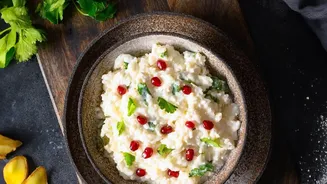
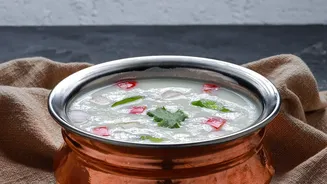
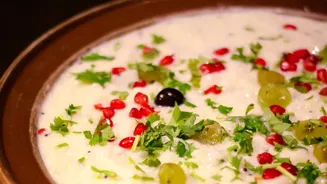
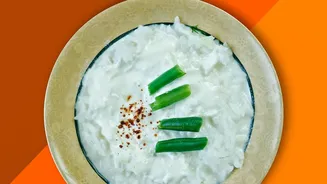
This dish, often called a 'tadka raita' or 'dahi tadka', is a testament to how simple ingredients can create profound flavour. It can be a cooling side dish or a light main course with flatbreads. Here’s a foundational recipe. Ingredients: 2 cups of thick, plain curd (yogurt), whisked until smooth; 1 cup of mixed finely chopped seasonal vegetables; Salt to taste; a pinch of sugar (optional, to balance the tang); 1 tablespoon of ghee or neutral oil; 1 teaspoon of cumin seeds; 1/2 teaspoon of mustard seeds (optional); 2 dried red chillies; a pinch of asafoetida (hing); 8-10 curry leaves; 1/4 teaspoon of turmeric powder; and fresh coriander for garnish. Instructions: In a bowl, combine the whisked curd with the chopped vegetables, salt, and optional sugar. Set aside. Next, prepare the tempering, or 'tadka'. Heat the ghee or oil in a small pan over medium-high heat. Add the cumin and mustard seeds and let them sizzle and pop. Add the dried red chillies, asafoetida, and curry leaves, standing back as they may splutter. Sauté for about 20 seconds until fragrant, then add the turmeric powder, give it a quick stir, and immediately turn off the heat to prevent it from burning. Pour this sizzling tadka directly over the curd and vegetable mixture. Garnish with fresh coriander and serve immediately.
Choosing Your Seasonal Vegetables
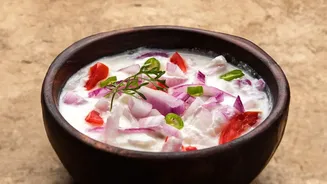
The beauty of this recipe lies in its adaptability to what’s fresh and available. Eating seasonally ensures better flavour, higher nutritional value, and is often more economical. For this dish, you can use vegetables raw for a fresh crunch or lightly cooked. Raw options: Finely chopped cucumber, onion, and tomato are classic choices for raita-style dishes. They provide a refreshing, crisp texture that contrasts beautifully with the creamy curd. Grated carrots also work well. Cooked options: For a softer texture, you can use vegetables that have been lightly steamed or sautéed. In winter, fresh green peas, finely diced cauliflower, and carrots are excellent choices. During the summer and monsoon seasons, vegetables like bottle gourd (lauki), okra (bhindi), and pumpkin can be boiled or sautéed, cooled, and then added to the curd. The key is to ensure cooked vegetables are at room temperature before mixing them with the cold curd to prevent it from splitting.
Variations for Every Palate
This base recipe is a canvas for culinary creativity. Different regions in India have their own unique take. In South India, a similar dish called 'Pachadi' often includes grated coconut and uses mustard seeds and curry leaves as the primary tempering ingredients. A North Indian approach might lean more heavily on spices like roasted cumin powder, chaat masala, and black salt (kala namak) mixed directly into the curd for a tangier, more complex flavour profile. For a different flavour, you can add minced green chillies or grated ginger to the tadka for a fresh, pungent heat. Finely chopped mint leaves can be added along with coriander for an extra layer of freshness. For a richer, creamier consistency, using hung curd or Greek yogurt is an excellent option. Don't be afraid to experiment with the vegetables; from steamed beetroot to roasted bell peppers, almost any vegetable can find a home in this versatile dish.