








What is Intentional Snacking?
Intentional snacking is a form of mindful eating. It’s about eating with awareness and purpose, rather than on autopilot. Instead of grabbing the nearest bag of chips while distracted by your phone or TV, intentional snacking asks you to pause and be
present. It involves paying attention to the sensory experience of your food—the taste, smell, and texture—as well as your body's internal cues. The goal isn't to restrict what you eat, but to make conscious choices that nourish your body and leave you feeling satisfied, not guilty. This approach helps you build a healthier relationship with food by understanding why you're eating in the first place.
Physical Hunger vs. Emotional Hunger
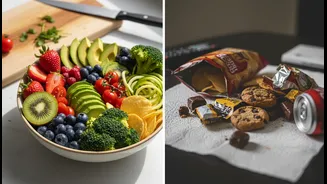
The first step to intentional snacking is learning to identify what's driving your urge to eat. Our bodies experience two main types of hunger: physical and emotional. Physical hunger is your body's biological need for fuel. It comes on gradually, often accompanied by signs like a rumbling stomach, low energy, or lightheadedness. When you're physically hungry, a variety of foods will seem appealing. Emotional hunger, on the other hand, is driven by feelings like boredom, stress, or sadness. It tends to strike suddenly, creating an urgent craving for a specific comfort food, like something sweet or salty. Unlike physical hunger, eating doesn't truly satisfy it, and can often lead to feelings of regret.
The PAUSE Method: Your Quick Check-in
Before you reach for a snack, try the PAUSE method to check in with yourself. First, Pause for a moment and take a deep breath. Next, Ask yourself: "Am I truly hungry?" Use a hunger scale from 1 (starving) to 10 (uncomfortably full) to rate your physical need. If the answer is yes, then eat. If not, Understand what's really going on. Are you bored, stressed, or just thirsty? Often, a glass of water is all you need. Then, Seek an alternative. If it's boredom, try a non-food activity like a short walk, stretching, listening to music, or calling a friend. Finally, if you do decide to eat, Enjoy it mindfully, without distraction.
How to Practice Intentional Snacking
Putting intentional snacking into practice is simple. Start by serving your snack on a plate or in a bowl instead of eating directly from the container. This helps with portion awareness. Sit down at a table, away from screens and other distractions. Before you take the first bite, engage your senses. Notice the colours, smell the aroma, and think about the texture. Chew each bite thoroughly and eat slowly. This gives your brain time to register fullness, which helps prevent overeating. Pay attention to how the food makes your body feel. By being present, you'll not only enjoy your snack more but also be more likely to stop when you feel satisfied.
Smart Snacks for Mindful Moments
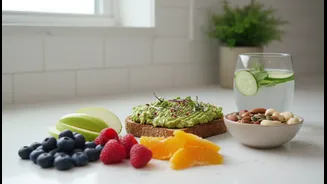
While any food can be eaten mindfully, some snacks are particularly well-suited for an intentional approach. Choose options that offer a combination of protein, fibre, and healthy fats, as these nutrients help you feel full and provide sustained energy. Excellent choices include a handful of nuts like almonds or walnuts, Greek yogurt with berries, apple slices with peanut butter, or roasted chickpeas. For a local touch, consider roasted makhana (fox nuts). Pairing a carbohydrate with a protein or fat, such as whole-grain crackers with cheese, can also help stabilize blood sugar and keep you satisfied longer.