






The Rise of 'Earthing'
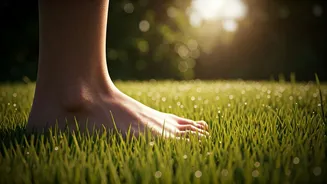
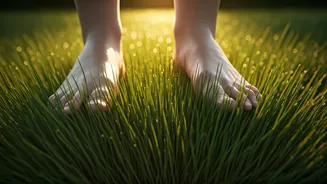
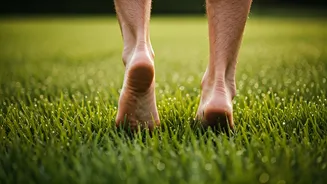
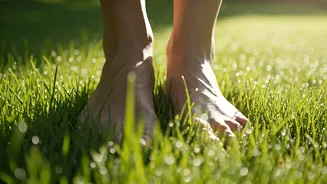
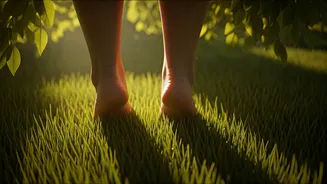
The practice of walking barefoot on natural surfaces has a name: 'earthing' or 'grounding'. Proponents suggest that direct physical contact with the Earth's surface allows our bodies to absorb free electrons, which they claim can reduce inflammation,
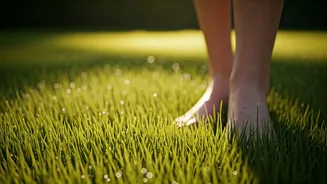
improve sleep, and lower stress. While the scientific community is still debating the full extent of these benefits, with much of the research being preliminary, the act itself taps into a universal, sensory pleasure. The feeling of cool, damp grass underfoot is an immediate and powerful way to connect with nature, pulling us out of our heads and into the present moment. For many, this simple act is a form of moving meditation, a welcome antidote to a life spent in shoes and on artificial flooring.
What Really Happens to Your Feet?
Beyond the more esoteric claims of earthing, there are concrete biomechanical benefits to walking barefoot, especially on a soft, uneven surface like grass. Most modern shoes, with their cushioned soles and supportive arches, effectively numb the intricate network of nerves and muscles in our feet. When you kick off your shoes, you reawaken this system. Your feet, which contain over 200,000 nerve endings, suddenly start sending a flood of information to your brain about the texture, temperature, and topography of the ground. This feedback loop is called proprioception — your body's awareness of its position in space. Walking on uneven grass challenges your feet to make constant micro-adjustments, strengthening intrinsic muscles in the foot and ankle that often become weak from a lifetime in shoes.
The Posture Connection: A Reality Check
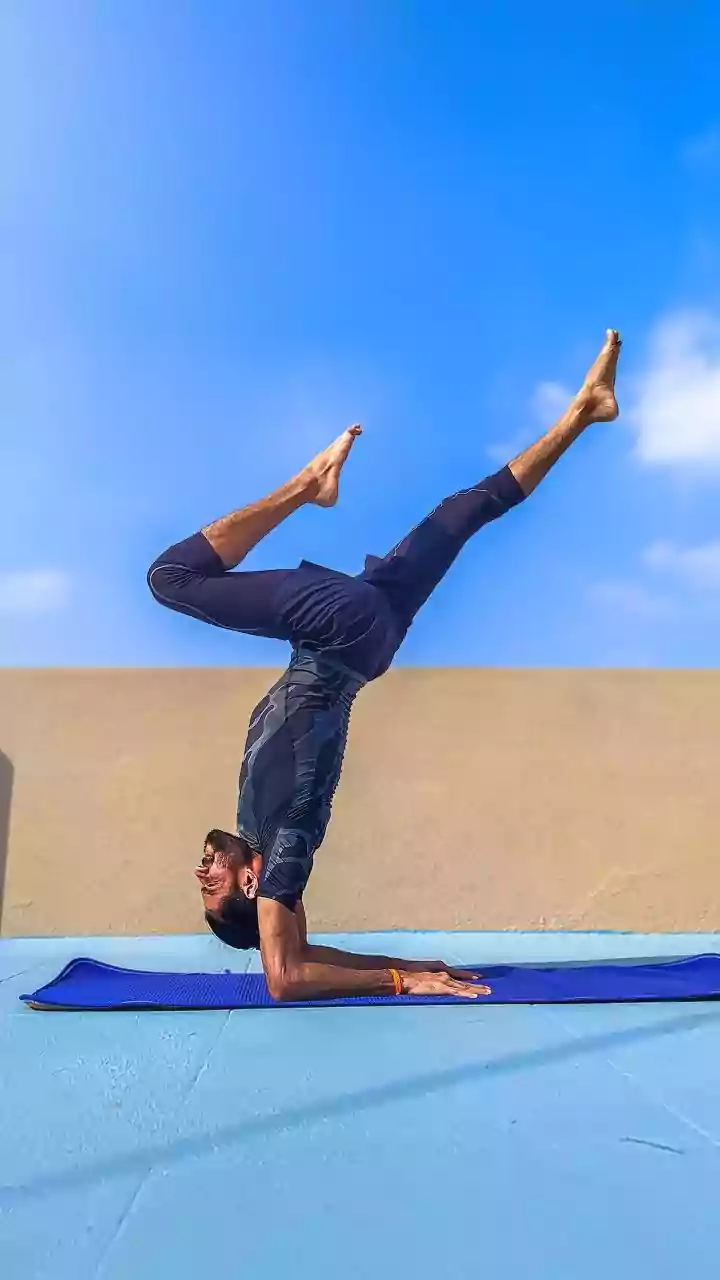
So, can this 'reset' bad posture? The word 'reset' is probably too strong. Chronic bad posture is a complex issue, often stemming from weak core muscles, tight hip flexors from prolonged sitting, and ingrained motor patterns from hunching over screens. A five-minute walk on grass, however pleasant, won't magically reverse these deep-seated issues. However, it can be a powerful part of the solution. By strengthening the muscles in your feet, you are building a stronger, more stable foundation for your entire body. Stronger feet and ankles lead to better alignment in your knees and hips. This improved stability travels up the kinetic chain, engaging your core and making it easier for your spine to hold a more neutral, upright position. It’s not an instant fix, but a step in the right direction — quite literally. It encourages a more natural gait and body awareness, which are prerequisites for lasting postural improvement.
How to Begin Your Barefoot Practice
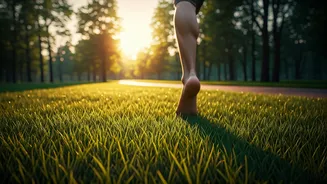
Getting started is as simple as it sounds, but a few tips can enhance the experience and keep you safe. First, choose your location wisely. A familiar lawn, free of pesticides, sharp objects, and pet waste, is ideal. Start with just five to ten minutes a day to allow the tender skin on your soles and the dormant muscles in your feet to adapt. Pay attention to how you walk. Instead of the heel-striking gait common among shoe-wearers, try to land more on the mid-foot or ball of the foot, rolling through the step. This is a softer, more natural way to move. Focus on the sensations: the coolness of the dew, the texture of the grass blades, the feeling of your muscles working. Make it a mindful practice rather than just another task to check off your list.