




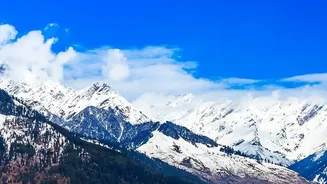

The Lingering Threat of Landslides
Even after the rain stops, the danger from landslides persists, particularly in hilly regions like the Himalayas and the Western Ghats. Soil remains saturated and unstable for days or even weeks, meaning slopes can give way without warning. Heavy monsoon
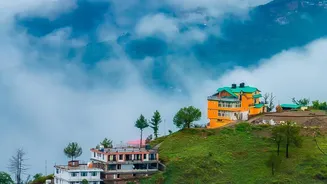
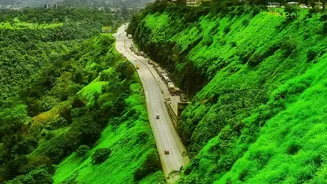
seasons often lead to an increased number of such events. Areas in Himachal Pradesh, Uttarakhand, and parts of Kerala and Maharashtra are especially vulnerable. Experts note that unscientific road cutting and deforestation have made these regions even more susceptible. Travellers planning trips to mountain destinations should remain cautious, as roads that seem clear can be blocked suddenly. It is always wise to build extra buffer days into your itinerary and check with local authorities or the National Highway Authority of India (NHAI) helpline before setting out on ghat roads.
Damaged Roads and Hidden Dangers
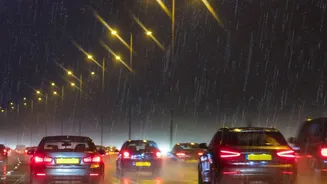
The monsoon's powerful downpours wreak havoc on infrastructure, and the damage is not always immediately visible. Roads can be washed away, bridges weakened, and surfaces riddled with potholes hidden by standing water. Driving becomes significantly more hazardous. Wet roads increase braking distances, and the risk of aquaplaning—where tyres lose contact with the road surface—is high. Safety experts recommend reducing speed by 30-40% compared to dry conditions and maintaining a much larger following distance. Be especially wary of seemingly shallow puddles that could conceal deep, tyre-damaging potholes. For those on two-wheelers, the risks are even greater. Driving at night on unfamiliar, rain-damaged roads should be avoided whenever possible.
Post-Monsoon Health Concerns
The period immediately following the monsoon often sees a spike in waterborne and mosquito-borne diseases. Stagnant water left behind by floods and heavy rains creates ideal breeding grounds for mosquitoes, increasing the risk of dengue, malaria, and chikungunya. Furthermore, flooding can contaminate drinking water sources, leading to outbreaks of illnesses like cholera, typhoid, jaundice, and gastroenteritis. This happens when sewage mixes with water supplies, a common problem in both urban and rural areas after significant rainfall. Symptoms to watch for include fever, severe diarrhoea, vomiting, and muscle pain. Travellers should be diligent about hygiene, drink only bottled or properly treated water, and be cautious about street food to minimise their risk of infection.
Unpredictable Weather Patterns
While the monsoon may be officially withdrawing, weather patterns can remain erratic. As of late August 2026, forecasts from the India Meteorological Department (IMD) show that while some regions are becoming drier, others, particularly in eastern and northeastern India, are still experiencing heavy rainfall. These late-season downpours can still trigger flash floods and disrupt travel with little notice. Climate change has contributed to making rainfall patterns more intense and less predictable, with long dry spells being broken by sudden, heavy bursts of rain. This means travellers cannot assume the weather will be consistently clear, even in late September. It's essential to monitor weather alerts from official sources like the IMD right up until your departure.
Essential Safety Checklist for Travellers
To navigate the post-monsoon season safely, a little preparation goes a long way. Before starting any road trip, ensure your vehicle is in top condition, with special attention to tyres, brakes, and windscreen wipers. Pack an emergency kit that includes a first-aid box, a torch, dry snacks, and a power bank. Always share your itinerary with family or friends. On the road, drive during daylight hours, avoid speeding, and never attempt to cross a submerged road or bridge. If visibility drops significantly due to fog or heavy rain, it is safest to pull over and wait for conditions to improve. Finally, listen to local advice; residents and local drivers often have the most current information about road conditions and potential hazards.