







The New Digital Mandi
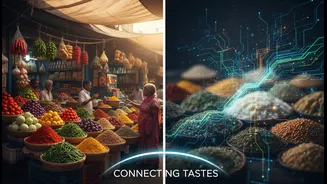
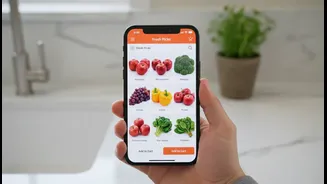
The most visible shift is in how Indians are buying groceries. The traditional trip to the local kirana store or bustling vegetable market is increasingly being supplemented or replaced by a few taps on an app. Platforms like BigBasket, Swiggy Instamart,
Zepto, and Blinkit have transformed the landscape, particularly in urban centres. The Indian online grocery market, valued at over USD 8 billion in 2024, is projected to grow explosively. This shift is driven by the sheer convenience of doorstep delivery, wider product selection including gourmet and international items, and competitive pricing. Busy lifestyles and rapid urbanisation have made these services not just a luxury, but a practical tool for modern households. This e-commerce boom means that for many, the 'market' is no longer a physical place, but a 24/7 digital supermarket in their pocket.
From Recipe Books to Social Feeds
It’s not just where we buy food, but also what we choose to eat. Social media platforms like Instagram and YouTube have become the new arbiters of culinary taste. Food bloggers and influencers wield significant power, capable of turning a niche ingredient like matcha or chia seeds into a mainstream trend overnight. These platforms expose millions to a diverse array of national and international cuisines, encouraging culinary experimentation at home. A short video reel can inspire a viewer to try a new recipe, purchase a specific ingredient, or visit a new restaurant. This digital word-of-mouth has a powerful influence, particularly on younger demographics who are more likely to see influencers as role models and are susceptible to food trends circulating online.
A Double-Edged Sword of Information
The internet is a vast library, offering unprecedented access to nutritional information. Indians are increasingly going online to learn about healthy eating, track calories, and understand dietary requirements for conditions like diabetes. Government and health organisations also use digital platforms to disseminate public health information. However, this access is a double-edged sword. The same digital space is flooded with misinformation, fad diets, and aggressive marketing for unhealthy, processed foods. Studies show that constant exposure to advertisements for junk food and high-calorie meals on social media and delivery apps can negatively influence dietary choices, contributing to a rise in lifestyle diseases like obesity. This creates a paradoxical situation where the internet simultaneously promotes both health consciousness and unhealthy consumption.
The Urban-Rural Digital Divide
This transformation is not uniform across the nation. The adoption of online food services and the influence of digital food trends are most pronounced in Tier 1 and Tier 2 cities, where higher incomes, denser populations, and robust delivery infrastructure exist. In many rural areas, despite growing smartphone penetration, traditional food-market behaviours persist due to factors like limited connectivity, logistical challenges for delivery services, and deep-rooted cultural habits. However, evidence suggests that even in rural settings, internet access can lead to greater dietary diversity by providing information and improving market access. As digital infrastructure like the BharatNet initiative continues to expand, the online influence on diets is expected to gradually bridge the urban-rural gap.