




The Lockdown Oven Spring
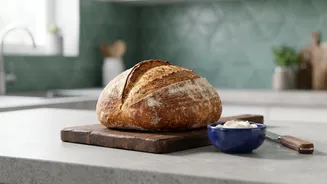
The home-baking boom in India, which saw countless people turn to sourdough and banana bread, had an interesting side effect. As culinary skills sharpened and the desire to replicate dining-out experiences grew, attention turned from Western-style loaves
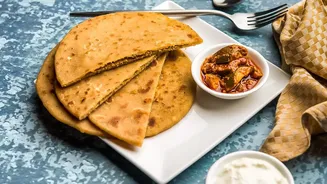
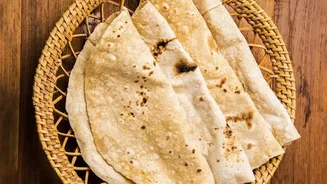
to perfecting Indian classics. The pandemic accelerated a trend of people seeking comfort and creativity in the kitchen, providing a captive audience for online tutorials and food bloggers. This sparked a new level of ambition among home cooks who, armed with more time and new skills, began asking: if I can master a complex sourdough, why can't I make a truly exceptional kulcha at home?
From Tandoor to Modern Kitchens
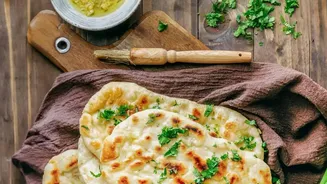
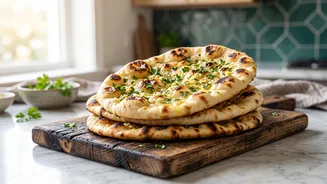
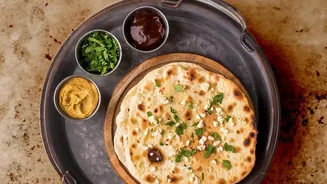
The single biggest barrier to restaurant-quality naan has always been the tandoor, a clay oven that reaches scorching temperatures impossible for most domestic ovens. However, inspired home cooks and food bloggers have popularised ingenious workarounds. Using tools like pre-heated pizza stones, cast-iron skillets, and even the oven broiler, they have found ways to mimic the intense, direct heat of a tandoor. This high-heat blast cooks the bread quickly, creating the signature puffy texture and charred spots that were previously so elusive at home. The availability of these tools, once considered niche, has put professional results within reach of the amateur baker.
A Fusion of Techniques
One of the most exciting developments is the fusion of global baking trends with traditional Indian recipes. The sourdough craze, for example, has found its way into naan and bhatura. Home bakers are using their carefully nurtured sourdough starters instead of, or in addition to, commercial yeast. This doesn't just leaven the bread; it introduces a subtle, tangy complexity to the flavour profile that many find superior. Recipes now commonly feature ingredients like yogurt for softness and bread flour for a better chew, techniques borrowed from both traditional Indian methods and Western artisan baking to achieve a softer, more pillowy crumb.
The Social Media University
This movement is being amplified and accelerated by social media. Instagram feeds and YouTube channels are filled with step-by-step videos for making everything from garlic naan to cheese-stuffed kulchas, demystifying the process. When a home cook posts a picture of a perfectly puffed-up naan, it serves as both inspiration and proof that it can be done. This digital ecosystem has created a vast, accessible library of recipes and techniques, allowing novice bakers to learn from the trials and errors of others and fostering a community of shared knowledge. Talented home chefs have even turned their passion into small businesses, selling artisanal Indian breads to a local clientele hungry for authentic, high-quality options.