





The Pour-Over and Single-Origin Connection
Before we journey through India’s coffee heartlands, it's worth asking: why pour-over? Unlike automated machines, this manual method gives the brewer complete control over variables like water temperature and pouring speed. The use of a paper filter produces
a uniquely clean, clear, and sediment-free cup. This transparency is crucial because it doesn't muddy the delicate, unique flavours of single-origin beans. A single-origin coffee comes from one specific geographic location, and its taste is a direct reflection of its terroir—the soil, altitude, and climate it grew in. The pour-over acts like a spotlight, illuminating the subtle floral, fruity, or spicy notes that make a region’s coffee distinct. It’s the ideal method for anyone who wants to taste the story of the bean itself.
Chikmagalur: The Birthplace of Indian Coffee
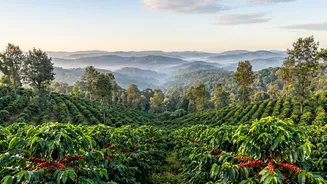
The story of Indian coffee begins in Chikmagalur, where the Sufi saint Baba Budan is said to have planted the first seven coffee beans in the 17th century. Today, the Arabica beans from this historic region in Karnataka are celebrated for their classic, balanced profile. Grown at high altitudes in the Western Ghats, Chikmagalur coffee is often described as smooth, mild, and aromatic, with a gentle acidity. When brewed using a pour-over, these qualities shine. The method carefully extracts the coffee's inherent sweetness, revealing subtle tasting notes of chocolate, nuts, and sometimes a hint of spice or berries without any harshness. It's the perfect introduction to the elegance of Indian Arabica.
Araku Valley: The Bright and Organic Star
Nestled in the Eastern Ghats of Andhra Pradesh, Araku Valley is a remarkable success story in Indian coffee. Cultivated by Adivasi communities using traditional organic and biodynamic farming methods, the coffee grows in harmony with a diverse forest ecosystem of fruit trees and spices. This unique terroir, combined with the region’s high altitude and iron-rich soil, produces an Arabica bean with a flavour profile that is surprisingly bright and clean. An Araku pour-over is a vibrant experience, often revealing distinct citrus or stone fruit notes, a medium body, and a clean, almost tea-like finish. Its bright acidity and floral undertones are beautifully preserved by the pour-over method, offering a cup that is both complex and refreshing.
Coorg: The Comforting and Aromatic Cup
Coorg, or Kodagu, is Karnataka’s largest coffee-producing district and a giant in the Indian coffee landscape. The region’s Arabica beans are often grown under a thick canopy of shade trees, frequently inter-cropped with spices like pepper and cardamom. This practice infuses the coffee with a unique character. Coorg Arabica is typically fuller-bodied, less acidic, and rounder than its counterparts from Chikmagalur. The flavour profile is often described as comforting and rich, with dominant notes of chocolate, nuts, and warm spices. A pour-over brew of Coorg coffee is a deeply aromatic experience. The method manages the bean’s boldness while highlighting its complex spice notes and sweet, lingering finish, creating a satisfying and well-rounded cup that is enjoyable at any time of day.