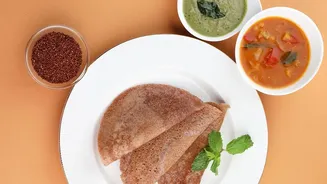





The humble dosa is a beloved staple, but have you ever considered swapping the traditional rice and lentil batter for something new? Enter the Rajgira Paneer Dosa, a creative and wholesome twist that opens up a world of flavour and nutrition.
Beyond the Traditional Batter
For centuries,
the classic dosa has been made from a fermented batter of rice and urad dal. It’s crispy, savoury, and satisfying. But in modern Indian kitchens, there's a growing curiosity for alternative flours that cater to different dietary needs and tastes. Flours like ragi, jowar, and bajra have already found their way into our daily meals. Now, another ancient powerhouse is stepping into the spotlight: rajgira, or amaranth flour. This isn't just about trying something new; it's about discovering a flour that is both deeply rooted in Indian tradition and incredibly well-suited for a healthy, contemporary lifestyle.
What Exactly Is Rajgira?
Rajgira, also known as amaranth or ramdana ('God's grain'), is not technically a grain but a 'pseudo-cereal' ground from the seeds of the amaranth plant. Despite its ancient origins, dating back thousands of years to the Aztecs, it holds a special place in India. It's most famously known as a 'vrat' or fasting food, widely consumed during religious periods like Navratri and Ekadashi because it is not a true cereal grain. Being naturally gluten-free, rajgira has become a go-to option for those with gluten sensitivities or anyone looking to reduce their wheat intake.
A Nutritional Powerhouse
The switch to rajgira is about more than just novelty; it's a significant nutritional upgrade. Amaranth flour is celebrated for its impressive protein content, which is higher than many common grains and includes lysine, an essential amino acid often lacking in plant-based diets. It's also packed with vital minerals. Rajgira is a fantastic source of calcium for bone health, iron to help combat anaemia, and magnesium. Furthermore, its high fibre content aids in digestion, promotes a feeling of fullness, and can help manage blood sugar levels and lower cholesterol.
The Unique Taste and Texture
A rajgira dosa offers a distinct sensory experience. The flour has a pleasant, slightly sweet, and nutty or earthy flavour that stands out from the neutral taste of traditional dosa batter. When made into a dosa, the texture is different too—it tends to be less fluffy and a little denser, but it can be cooked to a delightful crispness. Because rajgira flour is gluten free, the batter doesn't require fermentation. It's an 'instant' dosa, made by simply mixing the flour with water and seasonings like ajwain (carom seeds), red chilli powder, and sendha namak (rock salt).
The Perfect Partner : Paneer
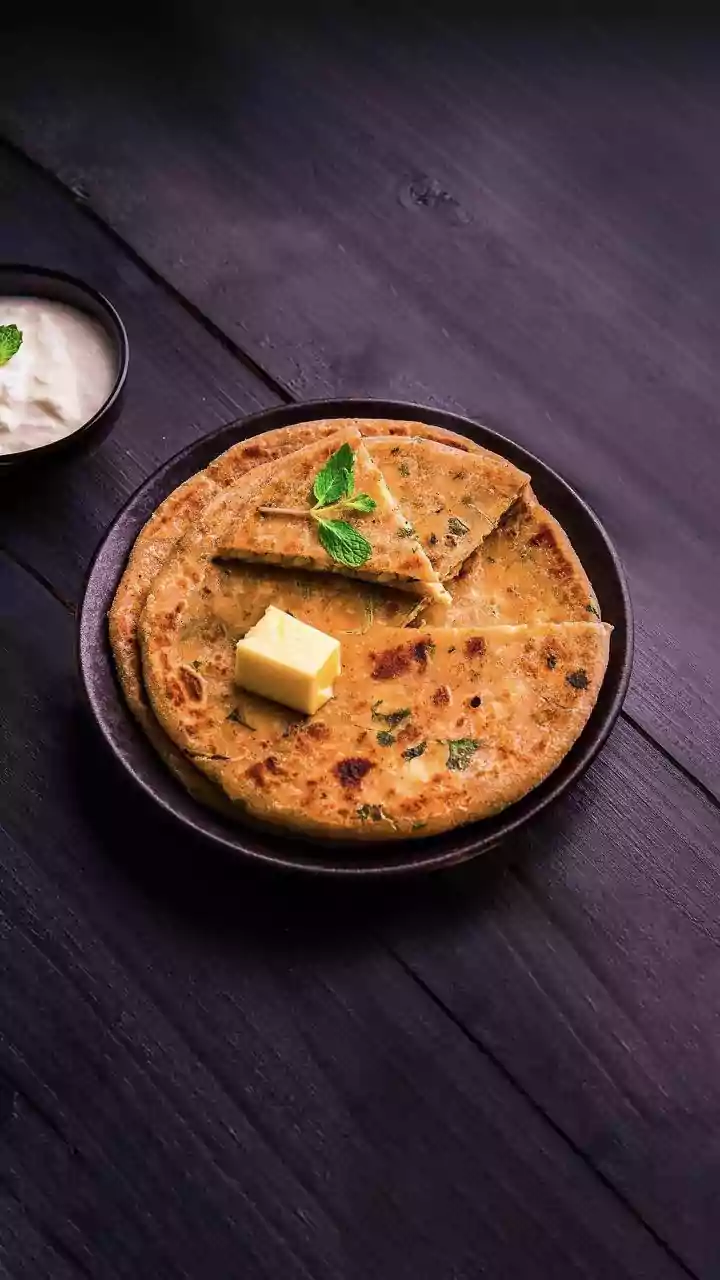
The pairing with paneer is what elevates this dosa to another level. The mild, creamy, and soft texture of crumbled paneer beautifully balances the earthy notes of the rajgira. This combination creates a harmonious blend of flavours and textures in every bite. The paneer filling, often simply seasoned with fresh coriander, green chillies, and salt, adds moisture and richness. More importantly, it doubles down on the protein, making the Rajgira Paneer Dosa an incredibly satiating meal that will keep you energised for hours.