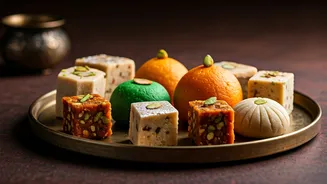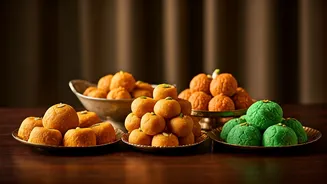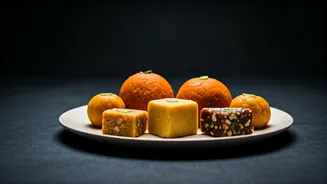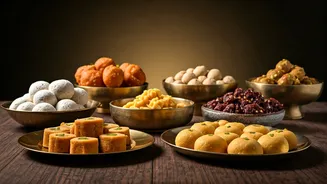



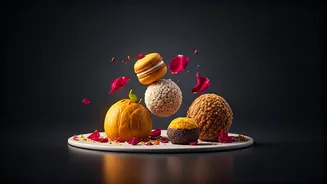
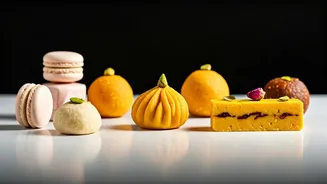


From Tradition to Trend: The Mithai Makeover
Sweets are inseparable from Indian celebrations, marking everything from festivals to personal achievements. [9] For generations, the local halwai was the go-to source for these sugary delights. But now, a cultural and commercial transformation is underway.
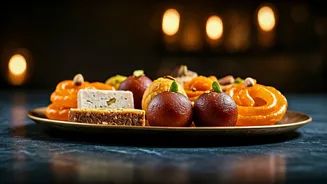
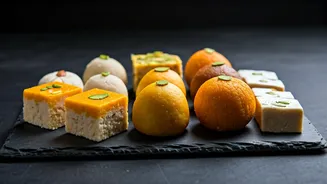
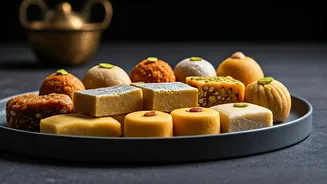
[9] The Indian confectionery market is experiencing a powerful shift, driven by rising disposable incomes, urbanization, and changing consumer tastes. [3, 10] A new generation of consumers, particularly in urban centres, is looking beyond mass-produced sweets. [2] They are seeking products that tell a story—of quality, craftsmanship, and modern elegance. This has given rise to the artisanal mithai trend, where traditional sweets are reimagined with a gourmet twist, blending nostalgia with novelty. [2, 5]
What Makes a Sweet 'Premium'?
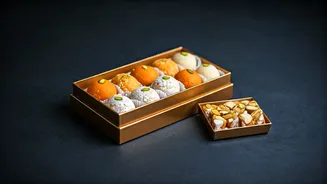
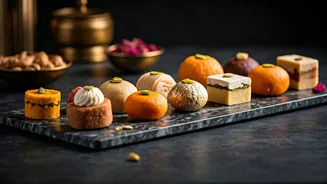
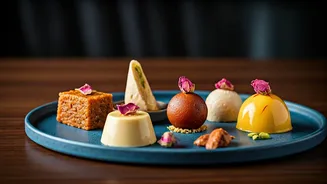
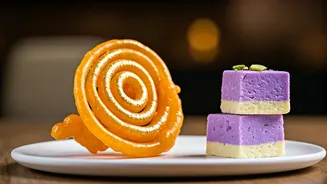
The distinction of a 'premium' sweet lies in a trifecta of quality, innovation, and presentation. [11] It begins with superior ingredients like pure A2 ghee, high-grade nuts, and natural flavourings instead of artificial additives. [2, 11] Many brands are also focusing on balanced sweetness to cater to modern, health-conscious palates. [11, 8] Fusion flavours are a major draw, with creative combinations like coffee-infused barfi, rose-petal laddoos, and even bubblegum-flavoured kaju katli capturing the imagination of buyers. [12, 11] The experience is completed with luxury packaging—think elegant gift boxes, velvet trays, and personalized branding—that makes the sweets as much a feast for the eyes as for the palate. [11, 22] This focus on detail transforms a simple box of sweets into a memorable and sophisticated gift. [5]
The New Guard of Indian Confectioners
A new wave of brands is leading this sweet revolution. Some, like Bombay Sweet Shop, Khoya, and Arq, have built their identity around reimagining classic mithai with a contemporary, artistic flair. [12, 6] They operate from a philosophy of respecting tradition while innovating on it. [2] Even established giants like Haldiram's have entered the luxury space with brands like Misree, which aims to elevate traditional sweets into a premium experience. [8] These brands are not just selling sweets; they are curating a luxury experience that resonates with a growing affluent class willing to pay more for authenticity and craftsmanship. [9] Their success signals a broader market maturation, where a product deeply embedded in Indian culture is finding a new, proud expression. [6]
Driven by the 'Gram and Gifting Culture
The visual appeal of these gourmet creations makes them inherently social-media-friendly. [5] The beautiful packaging and artful designs are made to be shared online, amplifying their desirability and turning customers into brand ambassadors. [11] This trend is also reshaping gifting culture, especially in the corporate world. [22] Companies are increasingly choosing artisanal mithai hampers for clients and employees, moving away from generic gifts toward something more thoughtful and culturally resonant. [22, 11] The expansion of e-commerce and modern retail has also made these premium sweets more accessible than ever, allowing brands to reach consumers across urban and even semi-urban areas. [3, 21] This digital-first approach allows customers to order curated boxes with just a few clicks, streamlining the entire gifting process. [21]