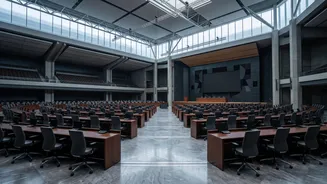





The annual UN climate summit, COP31, has ended in disarray in Antalya, Turkey, without a final agreement. Marathon talks that ran two days overtime ultimately collapsed over deep-seated divisions on two critical and interconnected issues: fossil fuels
and money.
A Summit Ends in Deadlock
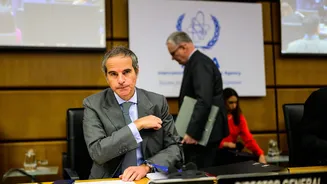
For the first time since 2009, the Conference of the Parties (COP) concluded without a consensus deal. After more than two weeks of intense negotiations between nearly 200 countries, the summit president declared that the final proposed text, known as the 'Antalya Pact', could not be adopted due to a lack of consensus. The collapse has been described as a significant setback for multilateral climate diplomacy, raising questions about the effectiveness of the UN-led process in tackling the escalating climate crisis. UN Secretary-General António Guterres expressed deep disappointment, blaming the failure on powerful fossil fuel interests and warning that the world is now poised to exceed the critical 1.5°C warming limit set by the Paris Agreement.
The War Over Words on Fossil Fuels
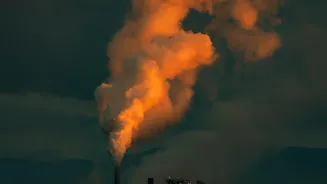
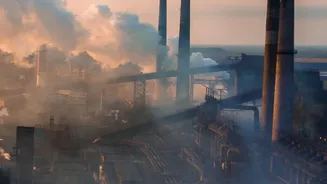
The primary sticking point was the language—or lack thereof—concerning fossil fuels. A coalition of countries, including the European Union, the UK, and numerous climate-vulnerable island nations, refused to endorse any deal that did not explicitly call for a 'transition away from' or 'phase-out' of coal, oil, and gas. They argued that failing to name the primary driver of climate change would be a step backward. However, major oil and gas-producing nations, reportedly including Saudi Arabia and Russia, staunchly opposed such language. A final draft text presented by the Turkish and Australian co-presidencies dropped any direct mention of fossil fuels, a move the EU rejected as 'greenwashing' that 'failed to meet the moment'.
The Unresolved Question of Finance
The second major fault line was climate finance. Developing nations argued that ambitious climate action is impossible without adequate and predictable financial support from the developed world, which is historically responsible for the majority of emissions. A key dispute revolved around funding for adaptation to climate impacts and contributions to the 'Loss and Damage' fund, which was established to compensate vulnerable countries for unavoidable disasters. Rich countries were accused of blocking progress and failing to deliver on past promises. A proposal to triple adaptation finance to $120 billion by 2035 was ultimately dropped from the final drafts, leaving developing nations feeling that their core concerns were ignored.
India's Stance in the Standoff
Throughout the summit, India positioned itself as a bridge-builder, forcefully advocating for the principles of 'equity' and 'common but differentiated responsibilities'. The Indian delegation, led by the Environment Minister, insisted that developed nations must fulfill their financial obligations before demanding greater mitigation efforts from the Global South. India supported a just transition away from fossil fuels but argued it must be country-driven and supported by finance and technology transfer, not imposed through top-down targets. While India did not formally endorse a proposed '35-by-35' electrification target, it stood firm with other developing countries in the G77+China and LMDC groups, stressing that finance is the critical enabler for all climate action.
What This Failure Means for the Planet
The collapse at COP31 does not invalidate existing commitments like the Paris Agreement, but it stalls crucial momentum. With no new overarching agreement, there are no fresh global mandates to accelerate emission cuts or bolster financial support for those on the front lines of climate change. The failure exposes the deep mistrust between developed and developing nations and the persistent influence of petro-states in the negotiations. While some smaller agreements on issues like a 'just transition' framework were adopted, the central pillars of the climate fight—cutting emissions from fossil fuels and financing the transition—were left unresolved. As UN officials have warned, the climate crisis does not pause for diplomatic deadlocks, and the window to avert the worst impacts is rapidly closing.