


The New Wardrobe Staple
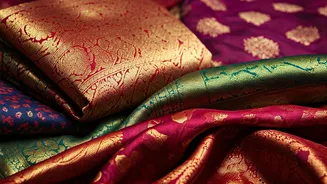
For decades, Indian ethnic fashion was synonymous with heavy, ornate garments reserved for the most special of occasions. Think cumbersome lehengas and heavily embroidered sarees that were beautiful but impractical for daily life. That picture is rapidly
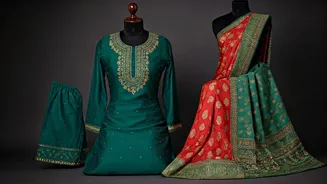
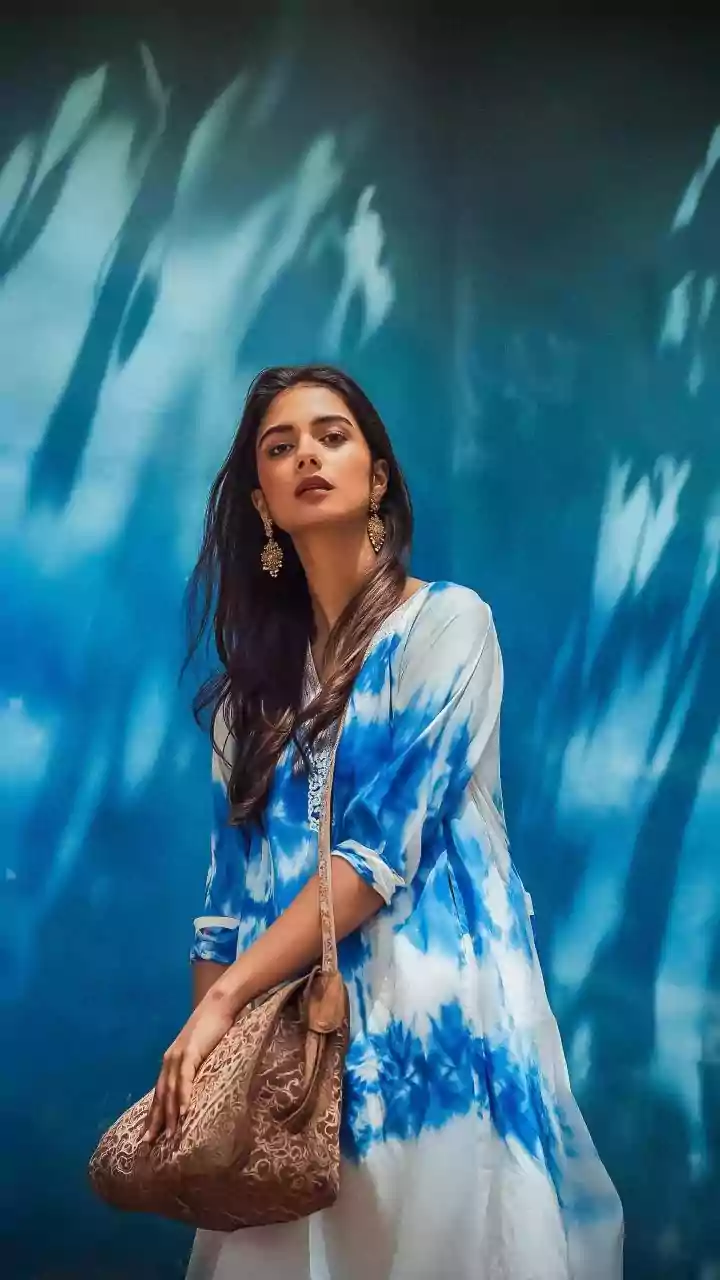
changing. Today, the market is defined by what experts call "wearable luxury"—a blend of heritage weaves with modern, breathable comfort. Styles like straight-cut cotton kurtas, co-ord sets, lightweight sarees, and fusion kaftans are moving from the niche to the mainstream. They are being worn to the office, to casual outings, and for daily activities, marking a significant shift in consumer behaviour. The focus is no longer on single-use, high-cost outfits, but on versatility, comfort, and re-wearability.
Comfort and Practicality Take the Lead
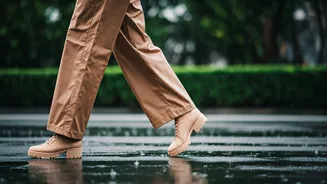
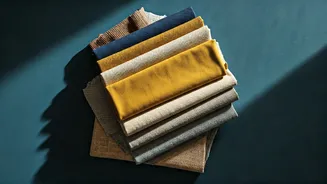
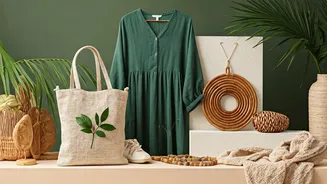
One of the biggest drivers of this trend is the non-negotiable demand for comfort. Younger generations, particularly Gen Z, are rejecting constrictive clothing in favour of relaxed fits and breathable fabrics. This has led to a boom in handloom cottons, mul, chanderi, and linen, which are perfect for India's climate. Designers and brands have responded by creating lighter, more practical silhouettes. Pre-stitched sarees save time, kurta sets offer effortless coordination, and flowy palazzos are replacing heavy churidars. This new approach designs for real life, prioritizing movement and ease without sacrificing style.
The Instagram Effect and a Modern Identity
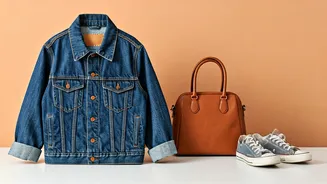
Social media has played a pivotal role in this transformation, turning traditional wear into a digital darling. Influencers and content creators showcase innovative ways to style ethnic wear, such as pairing sarees with sneakers or kurtas with jeans, making it relatable and accessible. This has amplified the trend of fusion wear, which blends Indian aesthetics with global silhouettes. Beyond just a trend, wearing ethnic clothing has become an act of cultural ownership for many young Indians. After years of seeing Indian aesthetics filtered through a Western 'boho' lens, there is a conscious move to reclaim these traditions on their own terms. It’s a way to express a modern Indian identity that is both rooted and cosmopolitan.
Designers and Brands Are Reshaping the Market
This shift is being championed by a wide range of designers. Heritage couture houses like Ritu Kumar have long advocated for the revival of Indian textiles, while contemporary designers like Sanjay Garg of Raw Mango have made handloom textiles like Banarasi silk feel modern and desirable. Other designers are focusing on fusion wear that blends Indian craftsmanship with Western tailoring. This is complemented by a surge in direct-to-consumer brands that offer affordable, stylish, and comfortable ethnic wear online, removing geographical barriers. Many brands are also emphasizing sustainability, using natural dyes and eco-conscious fabrics, which resonates strongly with today's consumers.