



Know the Rules Before You Pack
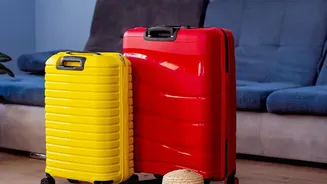
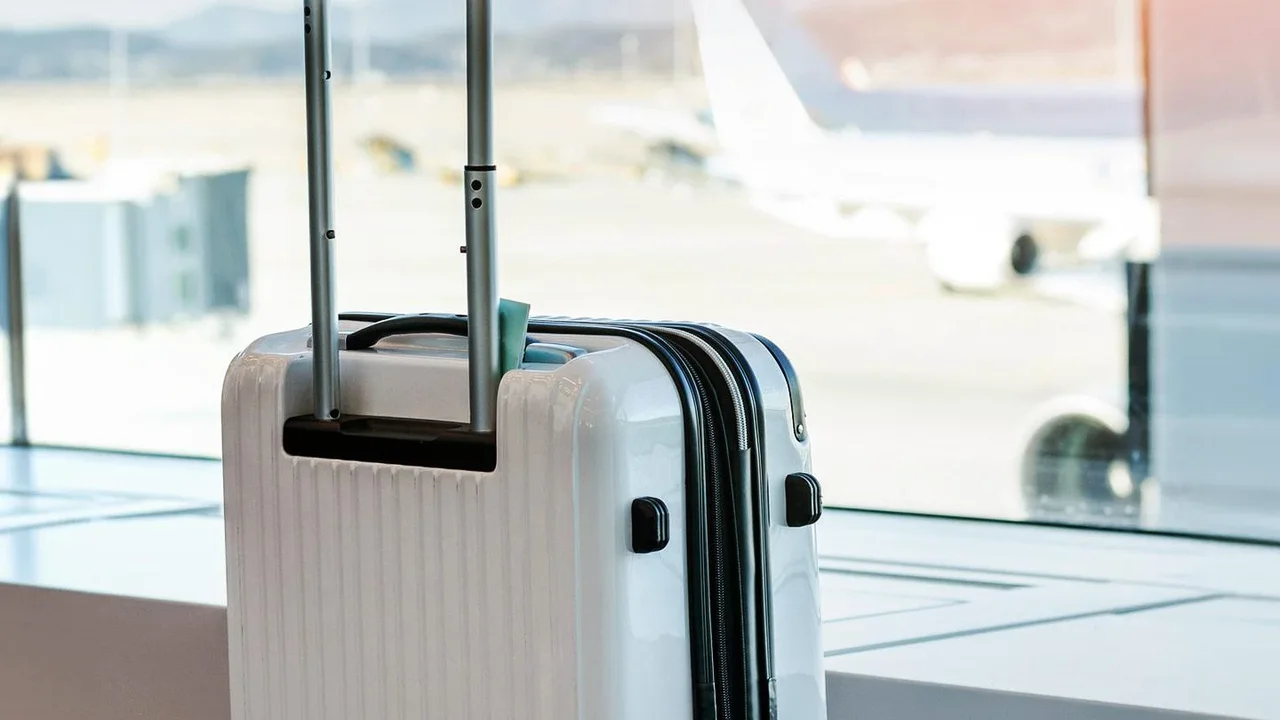
The first step to avoiding fees is knowing the limits. In India, most domestic airlines like IndiGo, SpiceJet, and Akasa Air permit one cabin bag weighing up to 7 kg. Air India is slightly more generous, often allowing 8 kg. However, these rules can change
based on your fare type, so always check your ticket confirmation. Dimensions are also critical, with the standard being around 55 x 35 x 25 cm. Most airlines also allow a small personal item, like a laptop bag or handbag, which must fit under the seat in front of you. Understanding these specific allowances is the foundation of smart packing.
Embrace Packing Cubes and Compression
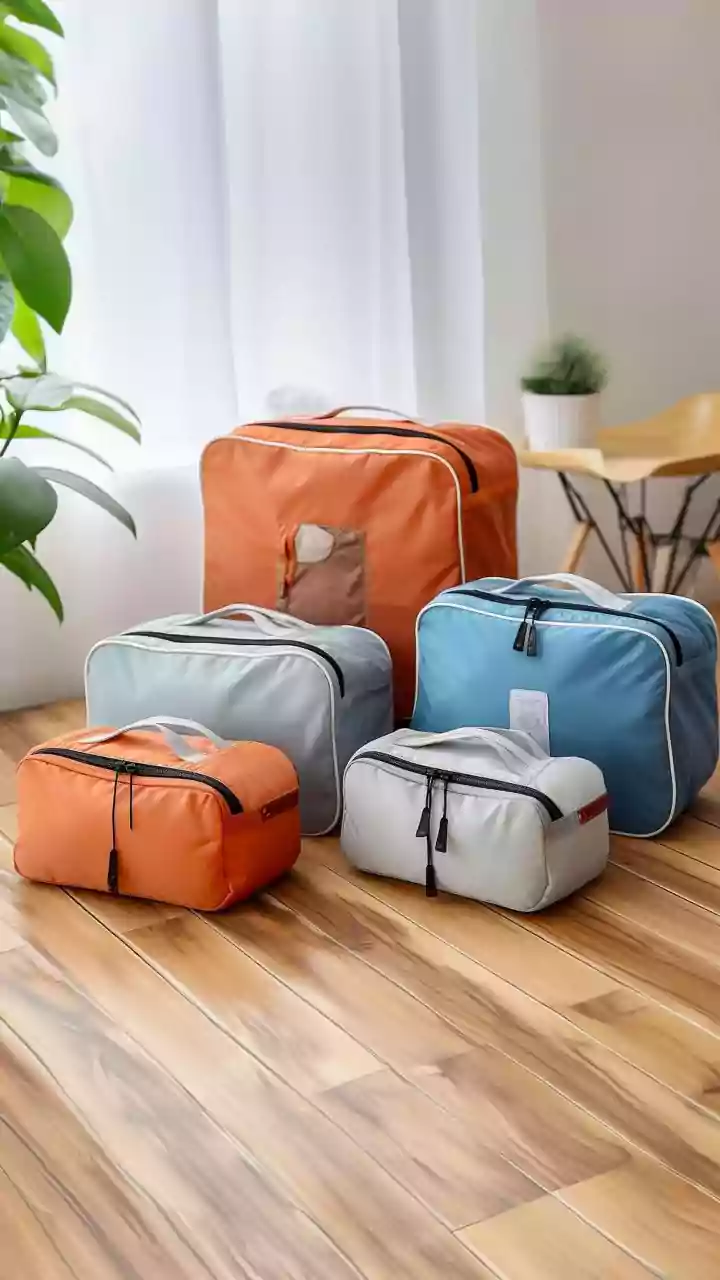
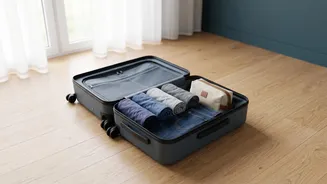
Packing cubes are a traveller's best friend. These small pouches help compartmentalise your belongings, keeping your suitcase organised and making it easier to find what you need without unpacking everything. For even more space-saving power, consider compression packing cubes. These have an extra zipper that squeezes out excess air from your clothes, significantly reducing their volume. This is especially useful for bulky items like sweaters and jackets, allowing you to fit more into your limited carry-on space. While they won't reduce weight, they are key to maximising every available inch.
Wear Your Heaviest Items
This is one of the oldest and most effective travel hacks. Your bulkiest and heaviest items should be on your person, not in your bag. Wear your heaviest jacket, your bulkiest pair of jeans, and your heaviest shoes or boots on the plane. While it might feel a bit cumbersome during boarding, it frees up a significant amount of weight and space in your carry-on. Once you're on the plane, you can always remove the jacket and use it as a blanket or pillow.
Switch to Solid Toiletries
Liquids are a major packing challenge due to the 100 ml container limit at airport security. Solid toiletries offer a brilliant workaround. You can now find solid bars for shampoo, conditioner, body wash, and even toothpaste and perfume. These products are not subject to liquid restrictions, are leak-proof, and often last much longer than their liquid counterparts. Making this switch can dramatically reduce the clutter and weight in your toiletry bag, leaving more room for other essentials.
Roll, Don’t Fold
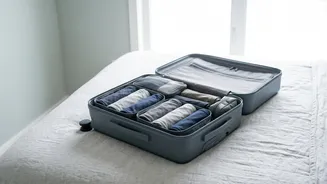
When it comes to packing clothes, rolling is generally superior to folding. Tightly rolling items like t-shirts, trousers, and dresses helps compress the fabric and allows you to fit them into small gaps within your suitcase. This method can also help minimise deep-set wrinkles compared to traditional folding. For items that don't roll well, like blazers, consider folding them carefully and placing them on top.
Digitise Your Documents and Entertainment
Every little bit of weight adds up. Instead of carrying heavy books, magazines, and printed documents, go digital. Load your reading material onto a tablet, e-reader, or your phone. Keep digital copies of your flight tickets, hotel confirmations, and identification on your phone. This not only saves space and weight but also ensures all your important information is easily accessible in one place.
Maximise Your 'Personal Item'
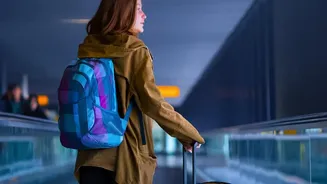
The personal item allowance is your secret weapon. This smaller bag—often a laptop bag, tote, or small backpack—is in addition to your main carry-on. Use it strategically to house your heaviest small items, such as your laptop, chargers, power banks, and toiletries. By placing dense items in your personal bag, you can keep your main carry-on's weight down, reducing the risk of it being flagged as overweight at the gate.