


The Cultural Significance of Festive Gold
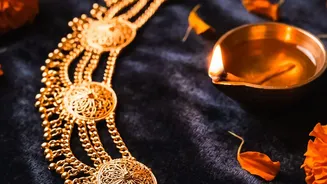
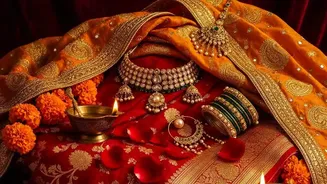
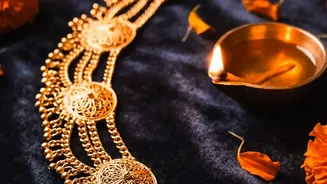
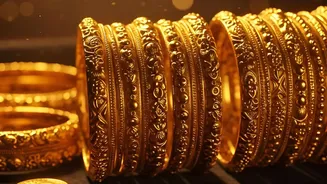
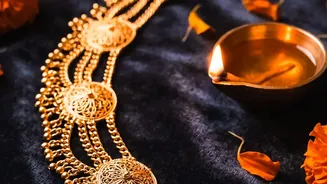
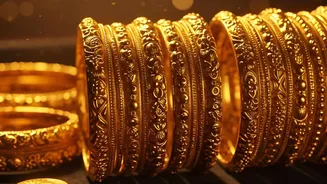
In India, buying gold during festivals like Dhanteras and Diwali is a deeply ingrained tradition, considered auspicious and a harbinger of wealth and prosperity. For millions of households, it is not merely a financial transaction but a cultural and religious
practice. This annual ritual forms a significant part of India's gold consumption, with families purchasing everything from intricate jewellery to gold coins and bars. This demand is so predictable that jewellers typically build up their stocks well in advance, anticipating the festive rush that also marks the beginning of the peak wedding season.
Deconstructing the 52-Tonne Figure
The 52 tonnes of gold sold this festive season, as estimated by the India Bullion and Jewellers Association (IBJA), represents a substantial 30% increase in volume compared to the same period in 2025. This surge is particularly noteworthy given that gold demand had been sluggish earlier in the year. However, some industry bodies, like the All India Gem and Jewellery Domestic Council (GJC), noted that while the value of sales grew by 15-20%, the actual volume or tonnage of gold sold remained relatively flat. This 'price illusion' suggests that much of the growth in revenue came from gold being more expensive than it was last year, rather than a massive increase in the quantity of gold bought by individual consumers.
Key Drivers Behind the Golden Rush
Several factors converged to fuel this year's festive buying. A primary catalyst was a timely correction in gold prices. After hitting a peak of around ₹1.8 lakh per 10 grams in January 2026, prices eased to about ₹1.42 lakh during the festive period, luring back buyers who had been waiting on the sidelines. This pent-up demand was a significant driver. Furthermore, a favourable monsoon season bolstered rural incomes, which traditionally account for a large portion of gold demand in the country. Combined with the onset of the wedding season, which typically sees high gold purchases, the market conditions were ripe for a rebound.
Shifting Consumer Behaviour
While the headline number is impressive, it also masks a strategic shift in how Indians are buying gold. With prices remaining historically high despite the recent dip, consumers adapted their purchasing habits. Jewellers reported a strong preference for lightweight and lower-carat (18-carat and 14-carat) jewellery, allowing buyers to honour tradition without overstretching their budgets. There was also significant interest in gold coins and bars, indicating that many view the metal as a solid investment. Another prominent trend was the exchange of old gold for new pieces, which helped consumers manage the cost of new purchases and boosted the available supply in the local market.
An Economic Barometer
This robust spending on a high-value item like gold is widely seen as a positive indicator for the Indian economy. It signals resilient consumer sentiment and a willingness to spend on discretionary items, even in the face of affordability challenges. The strong sales suggest a revival in demand and provide a degree of optimism for the economy heading into the end of the year. For jewellers and the broader retail sector, the festive performance provides a much-needed boost and sets a positive tone for the upcoming wedding season, which will be the next major test of consumer appetite for the yellow metal.