

The great Indian family vacation, once a meticulously planned annual affair, is getting a modern makeover. Families are now favouring spontaneous road trips and short weekend breaks over elaborate, long-distance holiday plans.
The Shift from Marathon to Sprint
The traditional two-week
holiday, which required months of planning, coordinating leave, and complex bookings, is becoming increasingly difficult to manage for many urban households. The pressures of demanding careers, long working hours, and the ever-present challenge of balancing professional and personal lives mean that finding a long, uninterrupted window for travel is a luxury few can afford. Consequently, families are moving away from the 'one big trip' model. Instead, they are embracing a rhythm of shorter, more frequent getaways, often planned just a week or two in advance. This shift reflects a broader change in lifestyle, where the need for a quick mental reset from urban burnout has become a top priority.
Why Driving Is the New Flying
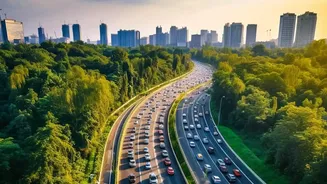
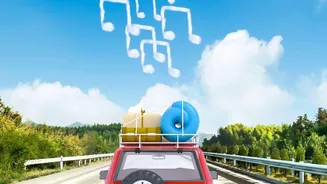
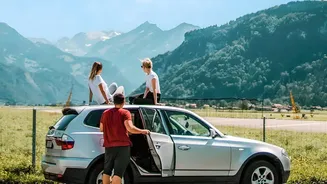
The 'drivecation' has emerged as a dominant travel format, especially for families. A key reason is the sheer convenience. Improved national highways and expressways have made destinations within a 200-600 km radius far more accessible. Driving eliminates the stress of airport formalities, baggage limits, and fixed schedules, offering a level of flexibility that flights and trains cannot match. For families with children, the ability to pack freely, make spontaneous stops, and travel at their own pace is a significant advantage. This freedom transforms the journey itself into part of the vacation, creating opportunities for bonding and exploring hidden gems along the way.
The Rise of the Micro-Break
These short trips, or 'micro-breaks', are now the leading format for leisure travel in India’s major cities. A two-night weekend escape or a three-night trip over a long weekend is seen as an efficient way to recharge without exhausting annual leave. The rise of hybrid and remote work models has further fuelled this trend, allowing professionals to blend work with leisure. A family might drive to a nearby hill station or beach town on a Thursday evening, work remotely on Friday, and then enjoy a full weekend of relaxation. This 'workation' approach makes travel more integrated into life, rather than a separate, once-a-year event.
What These Getaways Look Like
The destinations for these short trips are often tried-and-tested favourites within driving distance of major metros. Families from Delhi frequent places like Jaipur, Agra, and Rishikesh. For Mumbaikars and Puneites, Lonavala, Mahabaleshwar, and Alibaug are popular choices. Similarly, those in Bengaluru often head to Ooty, Coorg, or the serene hills of Chikmagalur. The preference is often for destinations that offer a mix of nature, culture, and relaxation. This trend has also boosted the popularity of boutique resorts, homestays, and farmhouses that cater specifically to families looking for a comfortable and unique experience away from crowded tourist hubs.
More Than a Holiday, It's a Lifestyle
Ultimately, the move towards short driving getaways is a practical and emotional response to the demands of modern urban life. These trips are less about ticking off a bucket list and more about reconnecting with family and finding moments of peace. They serve as an essential tool for managing stress and strengthening family bonds in a fastpaced world. The focus has shifted from the destination to the experience itself — quality time spent together, free from the distractions of daily routines. As Indian families continue to navigate busy schedules, these frequent, accessible, and flexible road trips are defining the future of leisure.