


Why Waterfalls, Why Now?
The resurgence in waterfall chasing isn't just a coincidence; it's the perfect storm of post-pandemic wanderlust and the magic of the Indian monsoon. For years, domestic travel took a backseat, but now, there’s a collective craving for experiences that
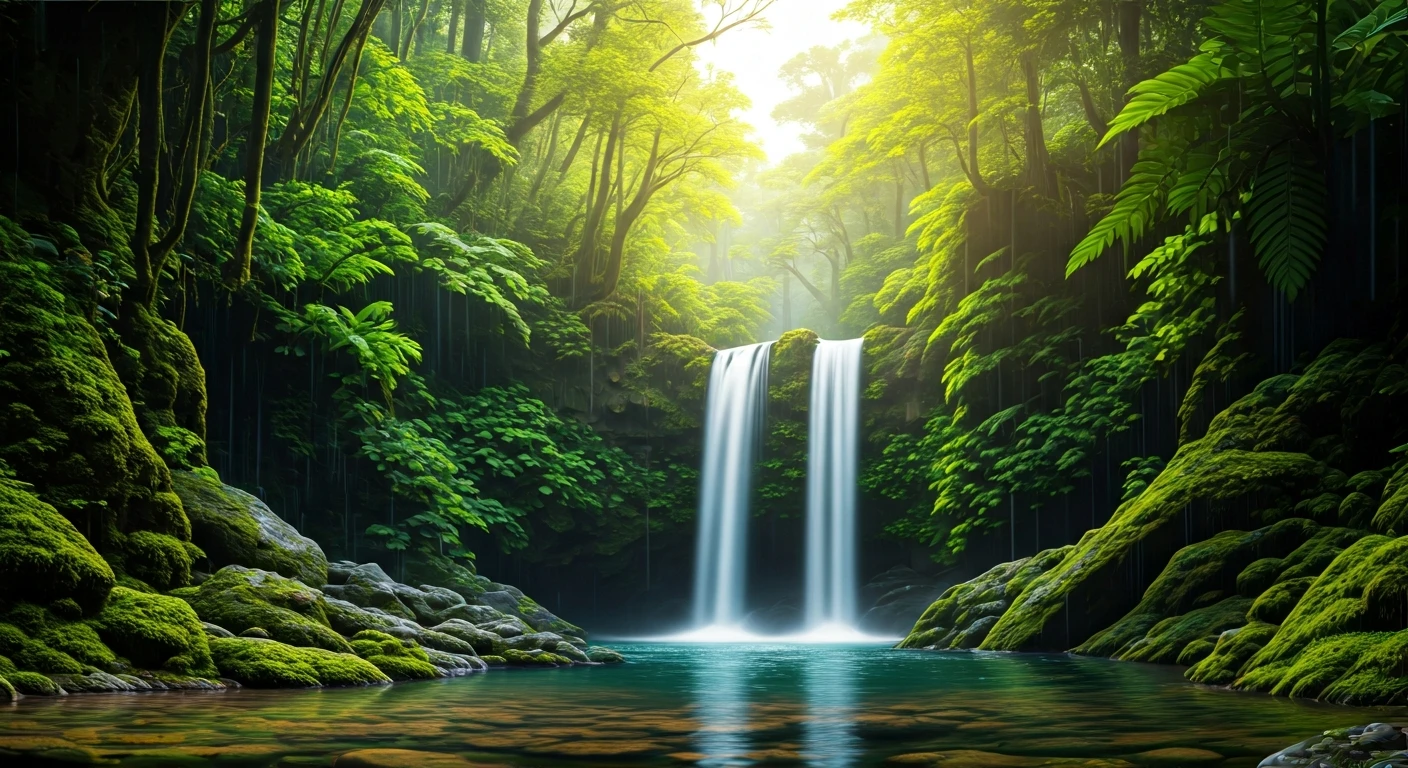
are raw, real, and rejuvenating. Waterfalls offer just that. They are nature’s grandest spectacle, transforming from gentle trickles into magnificent, roaring cascades during the rains. This seasonal transformation makes every visit feel unique and urgent. Moreover, reaching these spots often involves a trek or a scenic drive, turning the journey itself into an adventure. It’s a holistic experience that combines physical activity, stunning scenery, and the simple, therapeutic joy of being in nature’s presence.
Dudhsagar Falls, Goa-Karnataka Border
Translating to ‘Sea of Milk’, Dudhsagar is a four-tiered marvel that lives up to its name. As the Mandovi River plummets 310 metres, it creates a formidable wall of white water that looks like milk pouring down the mountainside. The sight is made even more iconic by the railway bridge that traverses the falls, with the occasional train passing through the mist. Reaching the base is an adventure in itself, typically involving a thrilling jeep safari through the Bhagwan Mahaveer Sanctuary and Mollem National Park, followed by a short trek. The pool at the bottom is cool and inviting, though swimming is only permitted when the currents are deemed safe. The best time to visit is right after the monsoon, from October to May, when the flow is powerful but the trails are accessible.
Athirappilly Falls, Kerala
Often called the ‘Niagara of India’, Athirappilly Falls is the largest waterfall in Kerala and a true giant of the Western Ghats. Located on the Chalakudy River, this 80-foot-high, 330-foot-wide cascade is a spectacle of sheer power and volume, especially during the monsoon months from June to September. Its grandeur has made it a popular filming location, most famously featured in the movie *Baahubali*. Visitors can view the falls from the top, where the water begins its dramatic plunge, or take a 15-minute trek down a paved path to witness its might from the bottom. The spray is so intense that you’re likely to get drenched from a distance. The surrounding rainforests are rich in biodiversity, offering chances to spot the Malabar pied hornbill.
Nohkalikai Falls, Meghalaya
In the heart of the Khasi Hills lies India’s tallest plunge waterfall, Nohkalikai. Dropping from a staggering height of 340 metres, it cascades from a forested cliff into a deep, turquoise-green pool below. The name, which means ‘Jump of Ka Likai’, is tied to a tragic local legend, adding a layer of mystique to its breathtaking beauty. Unlike multi-tiered falls, Nohkalikai is a single, uninterrupted stream of water, making it a mesmerising and almost hypnotic sight. The viewpoint offers a panoramic vista of the falls and the lush plateau. During the monsoon, the water volume is at its peak, though clouds can sometimes obscure the view. For the more adventurous, a challenging trek leads down to the plunge pool, offering an entirely different perspective.
Jog Falls, Karnataka
Created by the Sharavathi River, Jog Falls is a national treasure and one of the most spectacular waterfalls in the country. It’s not one but four distinct cascades plunging down the cliffside: Raja, Rani, Roarer, and Rocket. During peak monsoon, these four merge into a single, colossal wall of water, creating an unforgettable spectacle of nature’s force. The state tourism board has developed excellent viewing platforms that provide a safe and stunning panoramic view. For those willing to make the effort, there is a path with over 1,400 steps leading to the bottom of the falls. The view from below, looking up at the thundering water, is a truly humbling experience. The best time to witness its full glory is between August and December.