

More Than Just Paneer and Potatoes
For generations, Indian vegetarianism has been one of the most sophisticated plant-based traditions in the world. However, for many, it has often been defined by a few star ingredients like paneer, potatoes, and a handful of common dals. While these classics
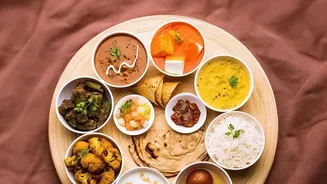
remain beloved, a new wave of culinary curiosity is sweeping the nation. Driven by a growing interest in health, sustainability, and a desire to connect with agricultural roots, chefs and home cooks are expanding their repertoires. They are looking both to the past, reviving forgotten ingredients, and to the future, creating new contexts for humble staples. This shift marks an evolution from traditional vegetarianism to a more consciously diverse, nutrient-dense, and exciting form of plant-based eating.
The Lentil Renaissance
Lentils, or dal, are the backbone of Indian cuisine, but the variety commonly used has often been limited to a few household names like toor (pigeon pea) and masoor (red lentil). Today, there's a renewed appreciation for the sheer diversity of pulses available. Kitchens are exploring everything from the creamy black urad dal, slow-cooked for dishes like Dal Makhani, to the five-lentil mix of Rajasthan's Panchmel Dal. Cooks are experimenting not just with different types of dals but also with their forms. For instance, high-protein rotis are being made with sprouts and spinach, and lentil pancakes, or 'chilla', are becoming a popular breakfast choice. This exploration brings a wider range of flavours, textures, and nutritional profiles to the daily diet, proving that the world of Indian lentils is far richer than many realised.
The Surprising Power of Sprouts
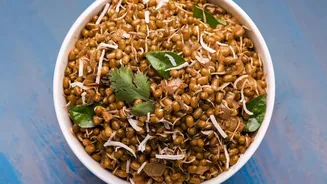
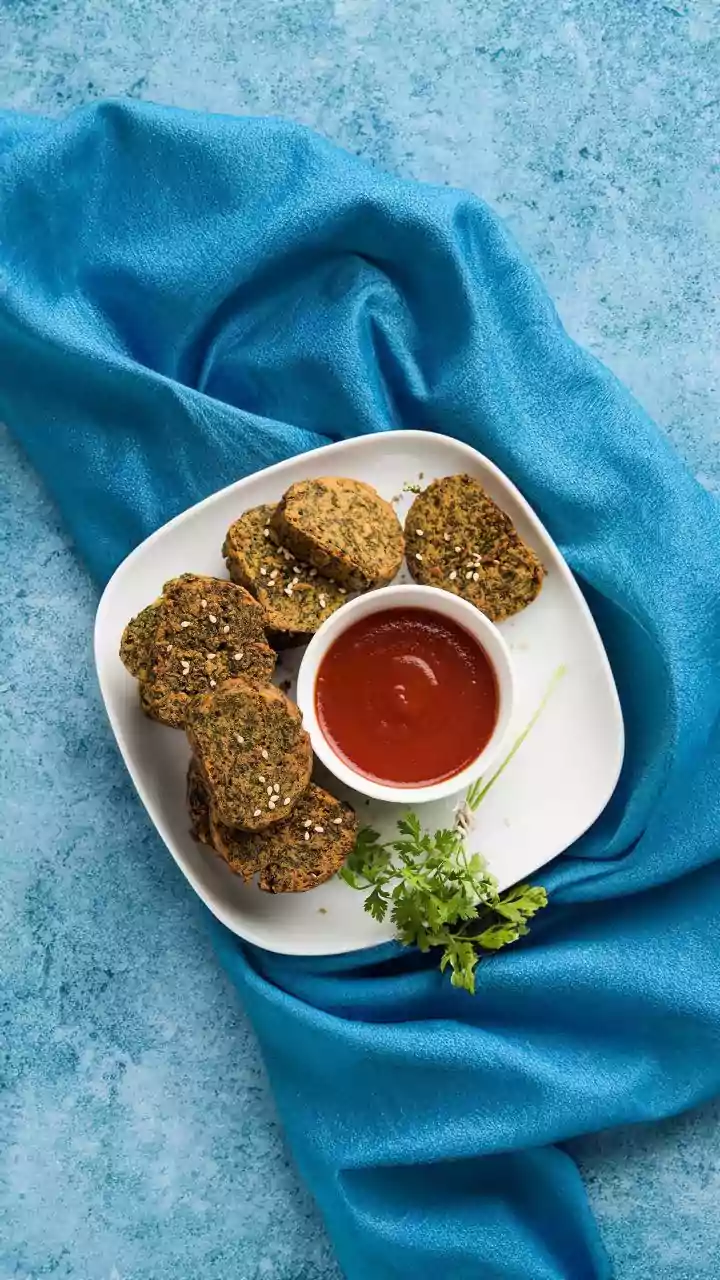
Sprouts have long been a part of Indian home cooking, often appearing in simple salads or as a garnish. Now, they are stepping into the spotlight as a core ingredient. Once considered a humble health food, sprouts are now recognized as a 'functional nutrition essential', celebrated for being packed with protein, fibre, and vitamins. Chefs are moving beyond just moong bean sprouts, incorporating sprouted moth beans (matki) in Maharashtra's spicy 'misal' or using a mix of sprouted lentils, beans, and seeds in hearty curries. They are being innovatively added to everything from dosas and dhoklas to tikkis and kebabs, adding texture, flavour, and a significant nutritional boost to once-traditional dishes.
Seeds: The New Flavour-Makers
Seeds, once relegated to tempering or garnishing, are being rediscovered as 'master tastemakers' and nutritional powerhouses. While mustard, cumin, and coriander seeds have always been foundational, the modern Indian pantry is making room for flax, pumpkin, chia, and sunflower seeds. These are not just sprinkled on top but are being ground into spice mixes and integrated into batters. The traditional use of 'chaar magaz'—a mix of four melon seeds used to thicken gravies—is seeing a revival, valued for adding richness and healthy fats. From amaranth seeds in savoury tacos to flaxseed in rotis, chefs and health-conscious cooks are using seeds to enhance flavour, improve texture, and pack more nutrients into every bite.
The Glorious Return of Ancient Grains
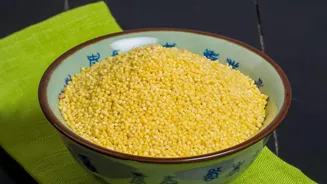
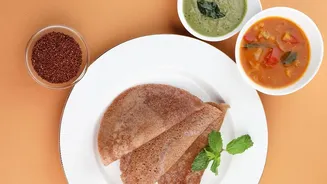
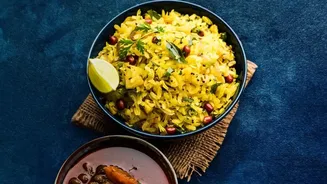
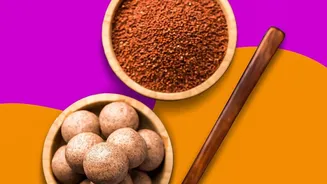
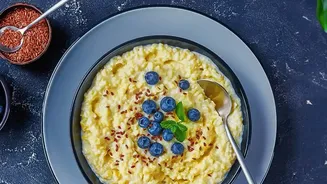
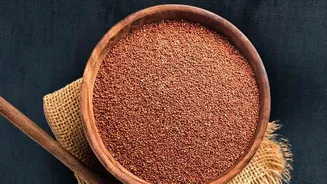
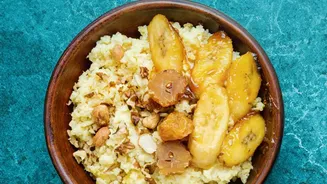
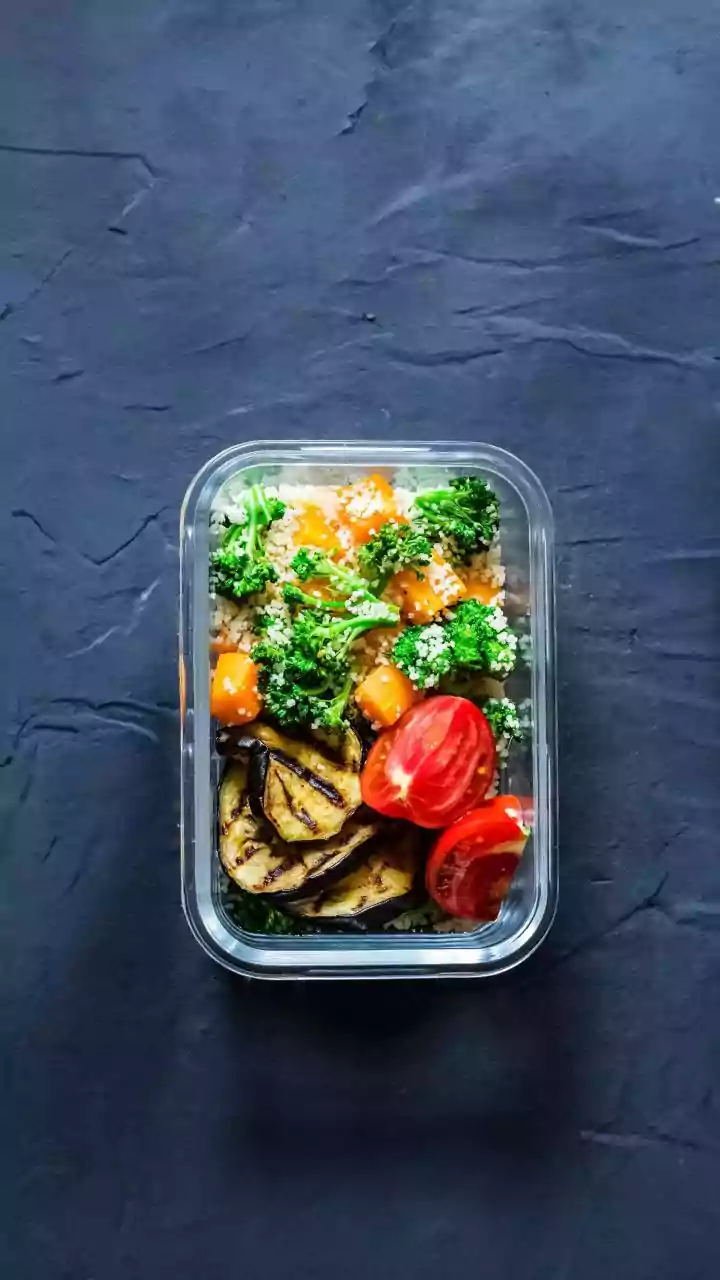
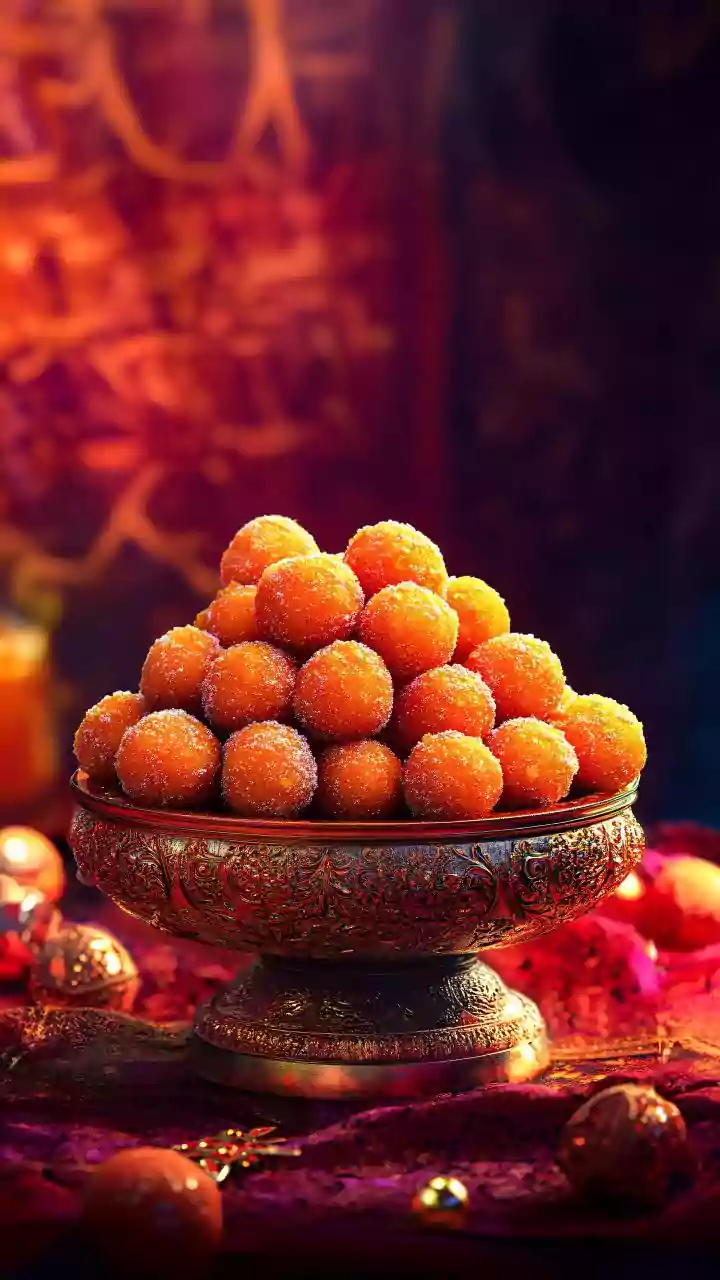
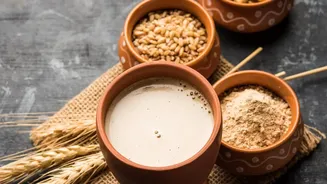
Perhaps the most significant shift has been the enthusiastic return of ancient grains and millets. For decades, rice and wheat dominated, but there is now a strong movement to bring back traditional grains like jowar (sorghum), bajra (pearl millet), and ragi (finger millet). Prominent chefs like Ranveer Brar and Sanjeev Kapoor have become champions for these 'wonder grains', highlighting their nutritional benefits and environmental sustainability, as they require far less water than rice. These grains are incredibly versatile, appearing in everything from millet risotto and breakfast congee to muffins and laddus. This revival is partly inspired by the global popularity of grains like quinoa, which has prompted a renewed interest in India's own rich agricultural heritage.