





The Sunset of Sugary Syrups
For years, the term 'iced tea' in India often meant a pre-mixed powder or a sugary syrup added to chilled black tea, resulting in a drink that was more sweet than tea. These beverages, often laden with artificial colours, preservatives, and staggering
amounts of sugar, are facing a quiet rebellion. Today’s consumers are more discerning, driven by a growing wellness consciousness and a desire for clean labels. They are actively seeking out refreshments that offer genuine flavour and functional benefits, not just a sugary rush. This shift in preference has created the perfect opening for an alternative that is both ancient in its inspiration and modern in its appeal.
A Gentle, Flavourful Infusion
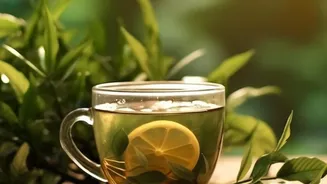
Enter the slow steep, also known as cold brew. Unlike traditional methods where tea is brewed hot and then cooled, slow steeping involves infusing tea leaves and botanicals in cold or room-temperature water for an extended period, typically between 6 to 12 hours. This patient process fundamentally changes the flavour profile. Hot water quickly extracts tannins, the compounds responsible for the bitter or astringent taste sometimes found in tea. Cold water, however, coaxes out the delicate, complex notes while leaving most of the bitterness behind. The result is a remarkably smooth, naturally sweeter brew that requires little to no added sugar to be enjoyable. This method also preserves certain antioxidants that can degrade under heat, offering a more nuanced and potentially healthier cup.
Celebrating India's Botanical Bounty
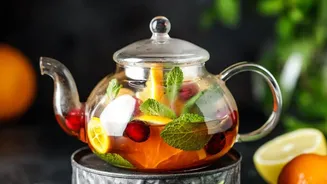
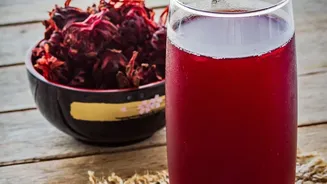
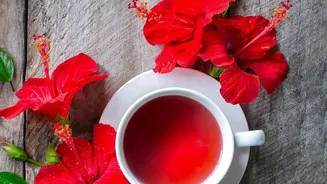
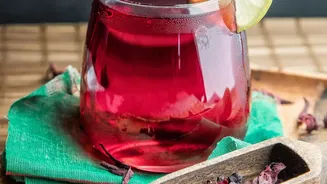
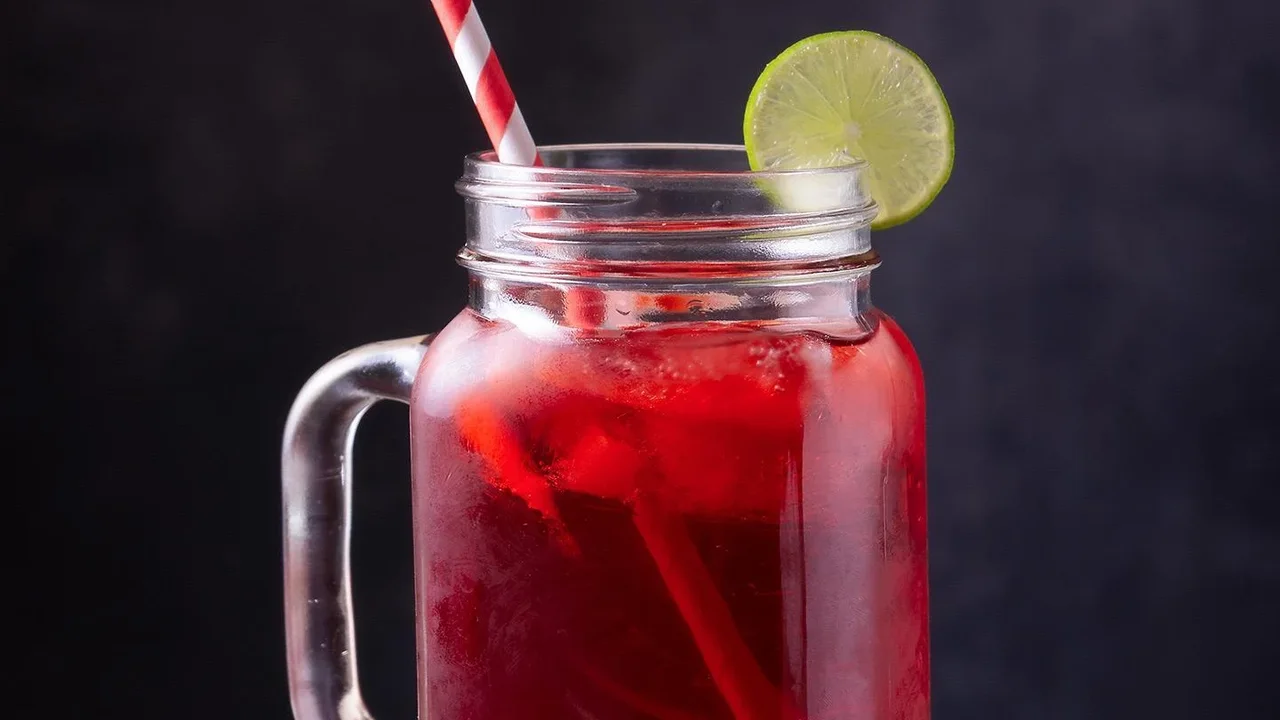
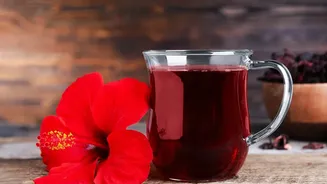
The true magic of this trend lies in the ingredients. Instead of generic lemon or peach flavours from a bottle, brewers are turning to India’s abundant natural pantry. Ayurvedic staples and local flora are taking centre stage, creating uniquely Indian flavour profiles. Tulsi, revered as the 'Queen of Herbs', brings its stress-relieving properties and distinct flavour to many cold brews. Bright crimson hibiscus flowers offer a tart, cranberry-like note and a stunning natural hue. Himalayan rhododendron flowers (buransh) provide a delicate floral sweetness. Other native heroes include lemongrass, mint, turmeric, ashwagandha, and spices like cardamom, saffron, and fennel, which are finding new life in these refreshing elixirs. This is not just about flavour; it's about reconnecting with a landscape of ingredients that are inherently part of India's wellness traditions.
More Than Just a Drink
This movement is about more than what’s in the glass. It represents a larger cultural shift towards mindful consumption and the celebration of local agricultural heritage. By championing native botanicals, this new wave of cold teas supports the farmers and communities that cultivate these indigenous plants. It’s a modern interpretation of ancient wisdom, where ingredients traditionally used in Ayurvedic remedies are now presented in a format that appeals to the globalised palate of urban millennials and Gen Z. This generation is drawn to the authenticity, the Instagram-worthy natural colours, and the story behind their drink. It's a lifestyle evolution, transforming a simple beverage into a statement of conscious living and cultural pride.
Your Guide to a Better Brew
Embracing this trend is simple. Several Indian brands now offer curated loose-leaf blends and cold-brew tea bags specifically designed for this purpose, featuring ingredients from Darjeeling tea to Kashmiri Kahwa spices. But the real joy can be found in making it at home. The basic recipe is straightforward: add about two teaspoons of loose-leaf tea and your choice of botanicals (like fresh tulsi or mint leaves) to 500ml of cold water in a glass jar. Seal it and let it steep in the refrigerator overnight. In the morning, simply strain and serve over ice. You can experiment with additions like a squeeze of lemon, a few slices of ginger, or a sprig of rosemary to create your own signature blend. The process is effortless, and the reward is a clean, flavourful drink that truly refreshes.