




An Affair of the Senses
The connection between monsoon rains and pakoras is more than just a culinary habit; it’s a multi-sensory experience baked into our collective memory. The pitter-patter of rain against the window provides a soothing soundtrack, a natural rhythm that calls
for an equally satisfying counterpoint. That counterpoint is the sizzle of batter hitting hot oil. It’s a sound of anticipation, of comfort being created in real-time. Then comes the aroma—the earthy, nutty smell of besan (gram flour) mingling with spices, filling the kitchen and promising warmth against the damp chill outside. It’s a tradition passed down through generations, where the act of making and sharing these fried morsels becomes a ritual of togetherness, transforming a gloomy day into an occasion for simple joy and family bonding.
The Comfort Food Craving
There's a bit of science to this craving, too. When the weather turns cold and damp, our bodies naturally seek warmth and energy. Fried foods, rich in fats and carbohydrates, provide a quick and satisfying source of both. They trigger the release of dopamine, a neurotransmitter associated with pleasure and reward, which can help lift our spirits on an otherwise dreary day. The crisp texture and savoury flavour of a pakora, combined with the heat, create a powerful combination that feels intensely comforting. It’s a physiological response dressed up as a cultural tradition. So when you reach for that plate of pakoras, you're not just indulging; you're responding to a primal need for warmth and happiness, perfectly packaged in a delicious, deep-fried snack.
The Anatomy of a Perfect Pakora
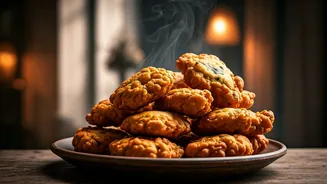
While the idea is simple, a truly great pakora is an art form. The secret lies in the details. First, the batter. The besan should be of good quality, and the consistency is key—not too thick that it becomes a dense blob, and not too thin that it fails to coat the main ingredient. A pinch of rice flour or suji (semolina) can add extra crispiness. Second, the oil temperature. If it's not hot enough, the pakoras will soak up oil and become greasy. If it's too hot, they'll burn on the outside before cooking through. The ideal temperature is when a small drop of batter sizzles and rises to the surface immediately. Finally, don't overcrowd the pan. Frying in small batches ensures each pakora has space to cook evenly, resulting in that perfect golden-brown, crunchy exterior and soft, flavourful interior.
A Pakora for Every Palate
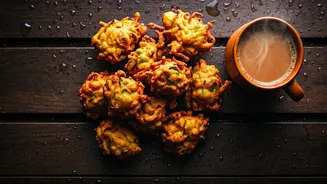
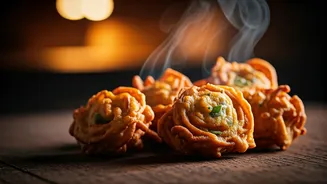
The beauty of the pakora is its versatility. It’s a canvas for countless ingredients. The undisputed king is the pyaz pakora (onion fritter), where thinly sliced onions turn sweet and tender inside a crispy shell. Aloo pakoras, with soft, boiled potato slices, offer a heartier bite. For something green, palak pakoras (spinach fritters) are a classic, offering a wonderful texture. Paneer pakoras, with soft cubes of cottage cheese enveloped in a spicy batter, feel like a luxurious treat. And let's not forget mirchi bhajji, where large green chillies are stuffed and fried for those who crave a fiery kick. Each variation brings its own character to the plate, making it easy to create a platter that has something for everyone.
The Essential Companions
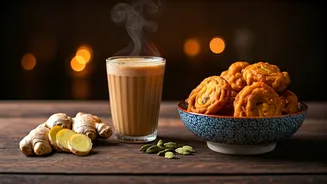
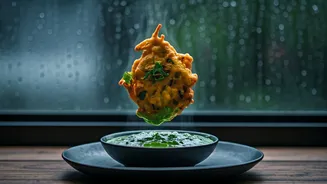
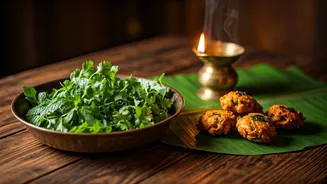
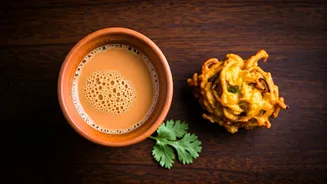
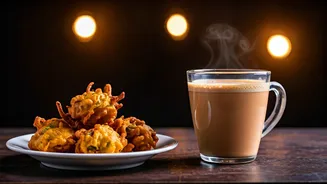
A plate of pakoras is incomplete without its trusted companions. The most important, of course, is a steaming cup of chai. The robust, spicy warmth of a well-made adrak-elaichi (ginger-cardamom) chai cuts through the richness of the fried snack, cleansing the palate and preparing you for the next bite. It’s a match made in culinary heaven. The other essential element is the chutney. A tangy, spicy green chutney, made from coriander and mint, provides a fresh, zesty contrast. For those who prefer a sweeter note, a tamarind chutney (imli ki chutney) offers a delightful sweet-and-sour flavour that complements the savouriness of the pakoras perfectly. Together, the pakoras, chai, and chutney form a holy trinity of monsoon indulgence.