




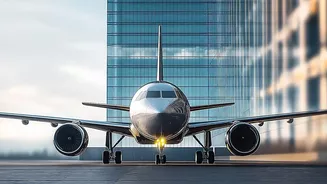
What Exactly Is an Electric Air Taxi?
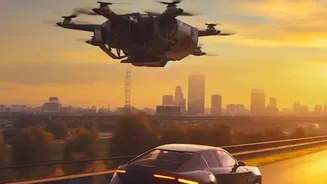
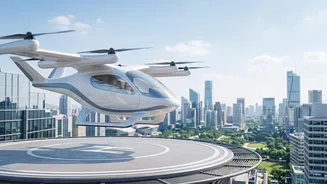
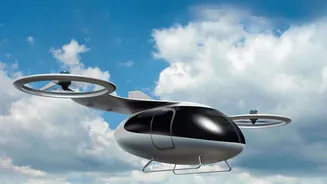
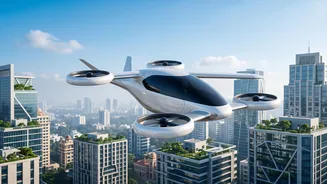
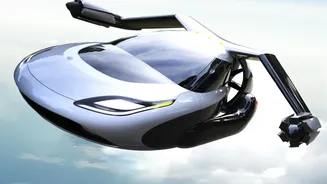
Think of an electric air taxi as a hybrid of a drone and a small helicopter. Known formally as eVTOLs (electric Vertical Take-Off and Landing) aircraft, they are designed for short-haul urban flights. Unlike fuel-guzzling helicopters, they run on batteries,
making them significantly quieter, more sustainable, and potentially cheaper to operate in the long run. These vehicles can take off and land vertically like a chopper, which means they don't need long runways. Most models currently in development are designed to carry a handful of passengers, typically four to six people plus a pilot, making them ideal for on-demand transit between key city hubs.
The Key Players Bringing Them to India
The most prominent plan comes from a partnership between InterGlobe Enterprises, the parent company of IndiGo, and the US-based firm Archer Aviation. They have signed a deal to bring up to 200 of Archer’s ‘Midnight’ aircraft to India. But they are not alone. Blade India, which already operates helicopter services, has partnerships with two other eVTOL makers, Eve Air Mobility and Jaunt Air Mobility, with plans to introduce air taxis around 2027. There are also homegrown efforts, such as Chennai’s ePlane Company, which is developing its own electric flying taxi with an eye on a 2028 launch, initially for medical use.
When and Where Could You Take a Flight?
The InterGlobe-Archer partnership has set an ambitious target to launch its first services as early as 2026. The initial rollout will focus on three of India’s most congested metropolitan areas: Delhi, Mumbai, and Bengaluru. The most talked-about route is a seven-minute flight between Connaught Place in central Delhi and Gurugram. This journey can easily take 60 to 90 minutes by car during peak hours. In Mumbai, potential routes could connect key business districts, while in Bengaluru, a primary use case would be connecting the city centre to the international airport, bypassing hours of traffic.
The Million-Rupee Question: What Will It Cost?
This won't be a replacement for your daily metro ride. Initially, electric air taxis will be a premium service. For the proposed seven-minute flight from Delhi's Connaught Place to Gurugram, the estimated fare is projected to be between ₹2,000 and ₹3,000 per person. While that’s more expensive than a premium cab, which might cost around ₹1,500 for the same trip, the time saved is the main selling point. The companies believe this price point makes it a viable option for business executives, time-sensitive travellers, or anyone for whom an hour and a half saved is worth the extra cost. As the technology matures and operations scale up, the goal is for these prices to eventually come down.
The Major Hurdles on the Runway
Launching a new form of aviation is incredibly complex. The biggest challenge is regulation. Before any paying passenger can board, these new aircraft must be certified as safe by aviation authorities. Archer is first seeking certification from the US Federal Aviation Administration (FAA), after which it will need approval from India’s Directorate General of Civil Aviation (DGCA). The DGCA has already begun creating a regulatory framework, but the process is meticulous. Another significant hurdle is infrastructure. Air taxis need dedicated landing and takeoff pads called ‘vertiports’. Building a network of these vertiports in prime locations across crowded cities, complete with charging infrastructure, is a massive logistical and real estate challenge that is yet to be solved.