



The Terrain Is The Ultimate Gatekeeper
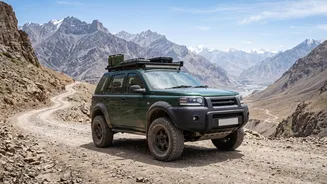
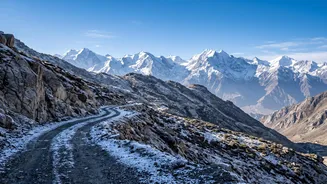
The journey to Spiti's dark-sky locations like Langza, Komic, or Chandratal is not a typical highway drive. You are negotiating with nature itself. Roads are often unpaved, gravel-strewn surfaces that cling to mountain faces. Expect water crossings fed
by glacial melt, sections of loose rock, and unpredictable landslides. A vehicle with high ground clearance, like an SUV, is strongly recommended to navigate this terrain without risking damage to the underbody. A simple mechanical issue here is not a minor inconvenience; with the nearest mechanic potentially hours away, it can jeopardise your entire trip and safety. The unforgiving landscape is the primary reason why meticulous vehicle preparation is not just advisable, but absolutely critical.
Tires and Brakes: Your Connection to the Road
On Spiti’s loose and often slippery surfaces, your tires are your single most important safety feature. Standard highway-terrain (HT) tires may not provide sufficient grip. All-terrain (A/T) tires with deep treads are the recommended choice for their durability and traction. Before you leave, ensure your spare is a full-size, properly inflated tire, not a temporary space-saver. Also, pack a reliable puncture repair kit and a 12V air inflator, and know how to use them. The constant, steep ascents and descents put immense strain on your brakes. Get your brake pads and brake fluid checked and replaced if necessary before the trip begins. A failure in either of these systems on a narrow mountain pass can have severe consequences.
Engine Health at High Altitude
High altitude affects vehicles just as it affects humans. The thin air, with its lower oxygen levels, can lead to inefficient fuel combustion, resulting in a noticeable drop in engine power. For modern diesel engines, this can also lead to faster soot accumulation in the Diesel Particulate Filter (DPF), potentially causing a breakdown if the engine can't perform a regeneration cycle. Before your trip, get a full engine service. Check all fluids, especially engine oil and coolant, ensuring the latter has antifreeze properties for the cold nights. Inspect all belts and hoses for any signs of wear and tear, as the extreme temperatures can make them brittle. Carrying extra fuel in jerry cans is also crucial, as fuel stations are few and far between, with Kaza being the main reliable point.
The Non-Negotiable Emergency and Recovery Kit
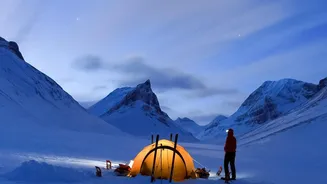
Hope for the best, but prepare for the worst. Getting stranded at night in Spiti means facing sub-zero temperatures, even in summer. Your emergency kit is your lifeline. This should be divided into several parts. For vehicle recovery, a rated tow strap, shackles, a shovel, and a basic toolkit are essential. For personal survival, every passenger needs warm layers, including thermals, fleece jackets, hats, and gloves. Pack high-energy snacks and ample water. A powerful headlamp or torch—ideally with a red light setting to preserve night vision for stargazing—is mandatory. A comprehensive first-aid kit with medication for altitude sickness, pain relief, and bandages is also a must-have.
Connecting Preparation to the Ultimate Reward
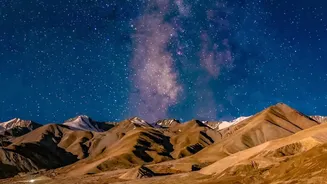
Every check you perform and every item you pack directly translates into peace of mind. The goal is to stand under the stars in a place like Langza or Kibber, humbled by the cosmos, not worrying about a flat tire or a stalled engine. Proper preparation means you arrive at your chosen stargazing spot safely and self-sufficiently. It allows you to set up your chair or camera and fully immerse yourself in the experience. A breakdown at night in a remote area not only means you miss the celestial show, but it also becomes a genuine survival situation. By respecting the valley's challenges with thorough preparation, you ensure that the only thing you need to focus on is the breathtaking, star-filled sky above.