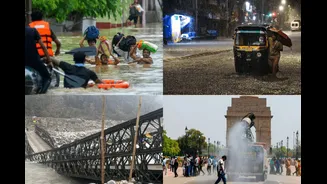



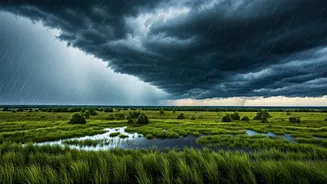

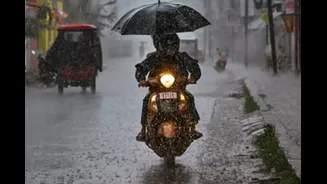


The Current Weather Situation
The India Meteorological Department (IMD) has forecast an active monsoon period for the northwestern states. While scattered showers are expected to continue, widespread and heavy rainfall is predicted to intensify around the end of June and the beginning
of July. An IMD press release on June 27th noted that conditions are favourable for the southwest monsoon to advance further into parts of Uttarakhand and Uttar Pradesh over the next few days. For Himachal Pradesh and Jammu & Kashmir, this translates to isolated to scattered rainfall initially, with fairly widespread to widespread rain and isolated heavy spells anticipated from July 1st onwards. These forecasts have put local disaster management authorities on alert, given the region's vulnerability to weather-related hazards.
Primary Areas of Concern
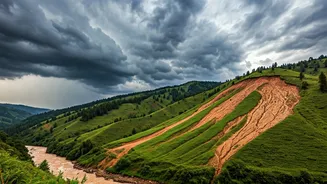
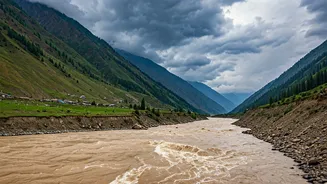
Travellers heading to popular tourist destinations should be particularly cautious. In Himachal Pradesh, the districts of Mandi, Kullu, Kangra, and Shimla are historically prone to monsoon-related disruptions. Major river systems like the Beas and Sutlej can swell rapidly, making low-lying areas and roads running alongside them, such as the Mandi-Kullu stretch of NH-3, especially hazardous. In Jammu and Kashmir, continuous rainfall can lead to rising water levels in the tributaries of the Jhelum and Chenab rivers. Hilly and mountainous roads in both regions are susceptible to landslides and shooting stones, which can cause prolonged closures and leave travellers stranded. The IMD specifically warns of potential landslides and mudslides in these areas due to saturated soil.
Understanding the Risks for Travellers
The primary dangers during this season extend beyond getting caught in a downpour. Flash floods are a major concern, where a sudden, intense burst of rain in a hilly catchment area can send a torrent of water downstream with little warning. This is especially dangerous for anyone camping near riverbeds or streams. Landslides are another significant risk, capable of blocking major highways for hours or even days. Past monsoon seasons have seen hundreds of roads blocked, disrupting travel and supply lines. Furthermore, strong gusty winds, sometimes reaching speeds of 40-50 kmph, can accompany thunderstorms, making driving conditions even more challenging and dangerous.
Official Advice and Safety Precautions
Authorities have issued clear advisories for residents and tourists. The most important step for any traveller is to stay updated on daily weather forecasts from the IMD. Before starting any journey, check for traffic advisories and road status updates from local police and disaster management portals. It is strongly recommended to avoid travelling during heavy rainfall warnings and to steer clear of areas known for waterlogging and landslides. Never attempt to cross flooded roads or bridges. For those already in the region, avoid camping or parking vehicles near rivers and streams, as water levels can rise unexpectedly, even from rainfall occurring far upstream. Have a list of emergency contact numbers, including local police, disaster management cells, and medical services.
Planning Your Trip: To Go or Not to Go?
If you have an upcoming trip planned, flexibility is key. While a below-normal monsoon is forecast for some parts of Himachal, this does not rule out short, intense spells of extreme weather. High-altitude desert regions like Lahaul-Spiti are, paradoxically, predicted to have an above-normal monsoon, increasing the risk of mudslides in an area not accustomed to heavy rain. Consider routes that are generally more stable, such as the Shimla-Kinnaur road to Spiti, over more fragile ones like the Manali-Rohtang corridor, but always verify the current status. If your itinerary is rigid, it may be wise to postpone your trip to a safer season. If you do decide to travel, build extra buffer days into your schedule to account for potential delays and have a backup plan in case of road closures.