


Fuelled by the Hallyu Wave
The driving force behind this trend is the phenomenal popularity of South Korean entertainment. For years, audiences in Hyderabad, like the rest of India, have been captivated by Korean dramas and music. This digital immersion has introduced millions
to the sights and sounds of Korean life, with food playing a starring role. Characters bonding over a sizzling tabletop barbecue or finding comfort in a steaming bowl of ramyun has sparked a deep curiosity and a desire to taste these dishes. Restaurateurs have taken note, seeing a clear demand from a young, globally-aware audience eager to experience the food they see on screen. This has led to a surge in eateries dedicated to Korean cuisine, transforming a niche interest into a mainstream movement.
Beyond Bibimbap and Kimchi
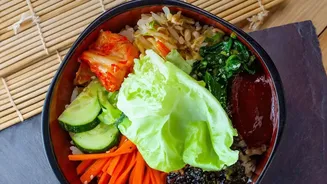
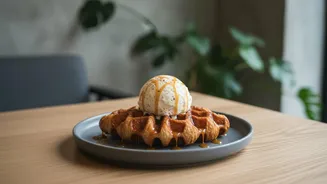
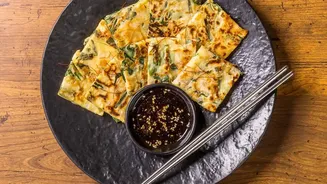
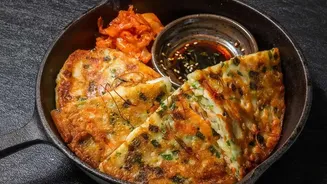
While classic dishes like bibimbap (mixed rice bowls) and kimchi (fermented cabbage) are staples, the new wave of Korean cafes in Hyderabad is exploring a wider, more casual menu. Trendy street food items are the real stars of this movement. Tteokbokki, which consists of chewy rice cakes in a sweet and spicy gochujang sauce, is a crowd favourite. Another popular item is the Korean corn dog, often filled with cheese and coated for an extra crunch. These cafes are also becoming destinations for Korean-style fried chicken, known for its incredible crispiness and flavourful glazes. Desserts and drinks are also part of the appeal, with the recently viral Korean Ice Cup—a DIY experience of pouring flavoured drinks over pre-packed ice—making its debut in the city's convenience stores and capturing the imagination of social media users.
A Touch of Local Flavour
A key to the success of this movement is the clever adaptation of Korean flavours for the Hyderabadi palate. While many establishments, like Goguryeo, pride themselves on authenticity, run by Korean nationals and using traditional recipes, others are creating fusion dishes. Chefs note that the inherent spiciness and tanginess in Korean food align well with local tastes. Some restaurants consciously adapt recipes, for instance, by avoiding fish oil in kimchi preparations to cater to local preferences or developing fiery sauces that appeal to the city's love for bold flavours. The rise of all-vegetarian Asian cafes like Ta-Ma-Sha, which offers dishes like Korean-style paneer and kimchi pizza, demonstrates a clear effort to make the trend more inclusive. This blend of authentic and adapted is crucial, creating an accessible entry point for newcomers while satisfying purists.
The Instagram-Ready Aesthetic
The appeal of these cafes goes beyond the plate. The ambience is a significant part of the experience. Many new establishments feature minimalist, modern interiors with clean lines, woven bamboo accents, and ample natural light. Places like Goguryeo are adorned with posters of K-pop bands like BTS and Blackpink, creating a welcoming space for fans. Others, like the architecturally designed HANOK, reinterpret traditional Korean house design with pitched roofs and tranquil courtyards, offering a transportive experience. This focus on creating visually appealing, or 'Instagrammable', spaces is a deliberate strategy. It encourages customers to share their experiences online, further fuelling the trend and turning a simple meal into a shareable cultural event.