




1. Samak Dosa with Potato Filling
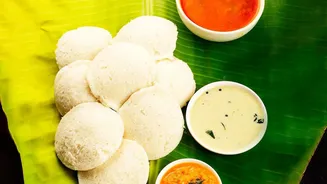
Bring a taste of South India to your fasting menu with a crispy dosa made from samak rice, also known as barnyard millet. This grain is a powerhouse of nutrients and is a perfect substitute for regular rice during vrats. The batter can be prepared by
grinding soaked samak rice, sometimes with a little sabudana (tapioca pearls) or singhare ka atta (water chestnut flour) to enhance texture. Unlike regular dosas, this version doesn't require a long fermentation time. For a satisfying meal, pair the dosa with a simple and flavourful potato filling. Sauté boiled and mashed potatoes with cumin seeds, chopped ginger, green chillies, and sendha namak (rock salt). This combination is not only delicious but also provides the carbohydrates and energy needed to sustain you through the day. Serve it hot with a side of vrat-friendly peanut or coconut chutney for a complete and wholesome breakfast.
2. Rajgira Paratha with Lauki
Rajgira, or amaranth flour, is a gluten-free staple during fasting periods and makes for wonderfully soft parathas. To create a dough that is easy to handle, mix rajgira atta with boiled and grated potato, which acts as a binding agent. Season the dough with sendha namak, finely chopped green chillies, and fresh coriander leaves for a burst of flavour. Roll out the parathas gently, using a bit of dry flour to prevent sticking, and cook them on a hot tava with a smear of ghee until golden-brown spots appear on both sides. These parathas are incredibly versatile and can be served with plain curd or a simple lauki (bottle gourd) sabzi. A light lauki curry, cooked with tomatoes, ginger, and cumin, complements the earthy taste of the rajgira and adds a hydrating element to your morning meal, making it both filling and balanced.
3. Shakarkandi Chaat (Sweet Potato Salad)
For a breakfast that is quick, healthy, and requires minimal cooking, look no further than Shakarkandi Chaat. Sweet potatoes are a fantastic source of fibre and vitamins, providing sustained energy. The preparation is simple: boil or roast the sweet potatoes until they are tender, then peel and chop them into bite-sized cubes. To transform it into a zesty chaat, toss the warm sweet potato cubes with roasted cumin powder, black pepper, and sendha namak. A generous squeeze of lemon juice adds a refreshing tang that cuts through the natural sweetness of the shakarkandi. For extra crunch and flavour, you can add roasted peanuts and fresh pomegranate seeds. This vibrant and flavourful chaat is a delightful way to start your day on a light yet satisfying note.
4. Makhana Kheer (Fox Nut Pudding)
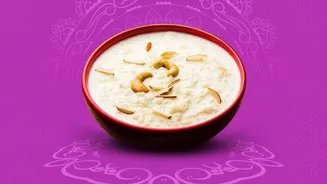
If you have a sweet tooth, beginning your day with Makhana Kheer can be a comforting and nourishing option. Makhana, or fox nuts, are light, low in calories, and packed with nutrients. To make the kheer, start by lightly roasting the makhana in a little ghee until they become crisp. You can crush some of the roasted makhana to help thicken the kheer while leaving some whole for texture. Simmer the makhana in milk until it thickens and the fox nuts soften. Sweeten it with sugar and infuse it with the aroma of green cardamom powder and a few strands of saffron. Garnish with slivered almonds and pistachios for added richness. This creamy pudding is not only delicious but also keeps you feeling full and content, making it an excellent breakfast choice during Sawan.
5. Kuttu ke Dahi Vade (Buckwheat Dumplings in Yogurt)
This is a creative and refreshing twist on the popular dahi vada, adapted for fasting. The vadas are made from kuttu ka atta (buckwheat flour) instead of lentils. To make the batter, mix kuttu flour with mashed potatoes, sendha namak, and a bit of ginger and green chilli paste. Form small, flattened discs from the dough and shallow fry or pan-fry them in ghee until they are crisp and cooked through. Once the vades have cooled down, soak them in water for a few minutes to soften them, then gently squeeze out the excess water. Arrange them in a dish and cover with lightly sweetened whisked curd. To finish, drizzle with a date and tamarind chutney (if vrat-friendly) and sprinkle with roasted cumin powder and a pinch of black pepper. This dish is best served chilled and offers a delightful combination of textures and flavours—cool, creamy, and savoury all at once.