


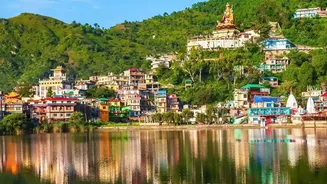
The relentless pace of urban life is pushing more Indian professionals to seek refuge not just in weekend getaways, but in longer stays in serene villages. This growing trend is more than just a holiday; it's a lifestyle shift.
The Great Urban Unplug
For decades, the path to
professional success in India led directly to bustling metropolitan hubs like Mumbai, Bengaluru, and Delhi. But the very things that signalled opportunity—the dense office towers, the 24/7 energy, the endless networking—have come at a cost. Professionals are increasingly grappling with burnout, high living costs, and a disconnect from nature. The daily grind of traffic, noise, and pollution has left many yearning for an escape hatch. This desire for a better quality of life is a powerful 'push' factor, prompting a re-evaluation of the long-held belief that big-city life is the only way to build a successful career.
The 'Workcation' and Slow Travel Revolution
The rise of remote and hybrid work has been the single greatest catalyst for this urban exodus. It has untethered professionals from their physical desks, giving them the freedom to work from anywhere with a stable internet connection. This has given rise to the 'workcation'—a blend of work and leisure that extends beyond a simple vacation. It aligns perfectly with the principles of 'slow travel', a movement gaining significant traction in India. Slow travel prioritises deep immersion in local culture, environment, and lifestyle over rushing through a checklist of tourist spots. It’s about staying longer, supporting local family-run businesses, and forming a genuine connection with a place.
From Tourist Traps to Tranquil Havens
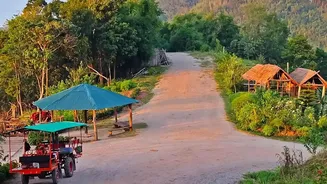
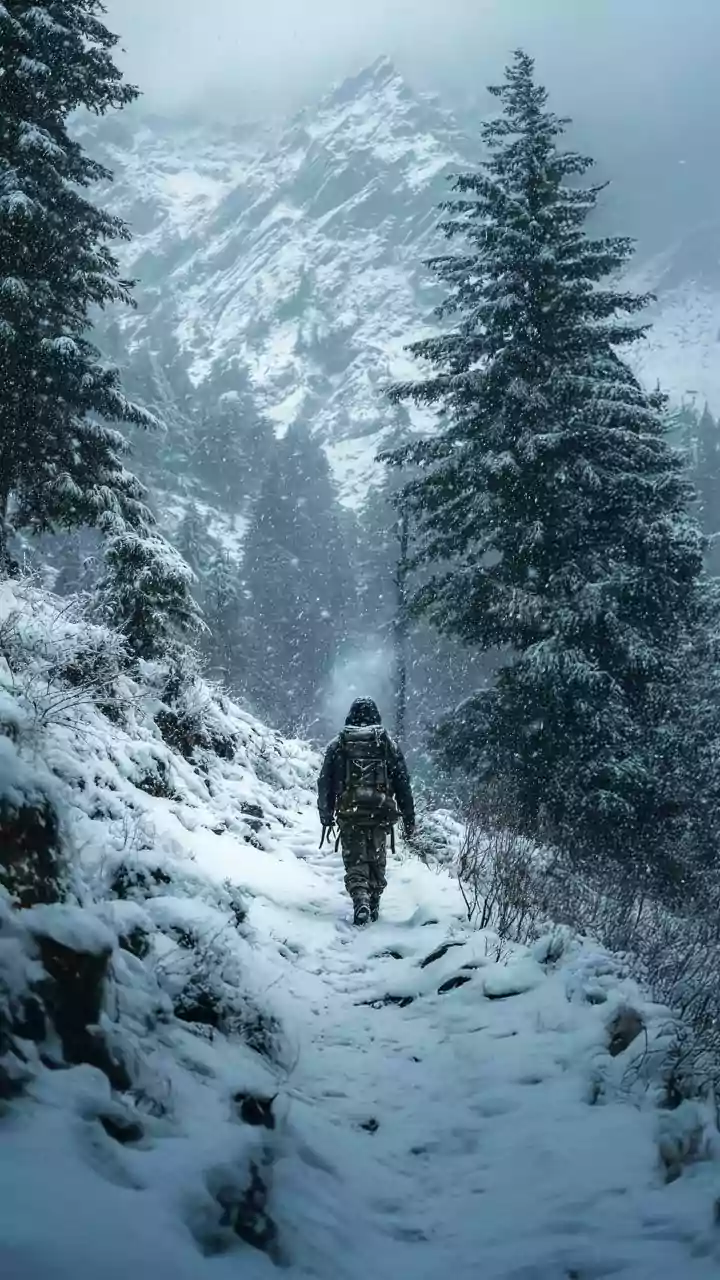
This trend isn't about flocking to already crowded hill stations. Professionals are deliberately seeking out quieter, lesser-known villages that offer authentic experiences and genuine peace. In the Himalayas, destinations like Tirthan Valley, Kalpa, and Jibhi in Himachal Pradesh, and Munsiyari in Uttarakhand are becoming popular. These areas offer stunning natural beauty without the commercialisation of their more famous counterparts. Similarly, coastal towns like Gokarna in Karnataka and Varkala in Kerala provide a serene beach experience far from the bustle of Goa. Even states like Sikkim are getting involved, with villages like Yakten being developed as official 'digital nomad villages'.
The Digital Nomad's New Frontier
What makes this trend viable is a quiet revolution in rural infrastructure. Homestay owners and local entrepreneurs have recognised the demand and are adapting. It is now increasingly common to find quaint, traditional homes equipped with high-speed fibre internet, power backup, and dedicated workspaces. Companies like NotOnMap and Homeyhuts specialise in curating such stays, offering monthly packages that are often more affordable than city living. A monthly stay in a Himalayan homestay, including all meals and utilities, can range from ₹18,000 to ₹32,000, a fraction of the cost of renting and living in a major metro. This makes the village lifestyle not just desirable, but also economically sensible.
More Than Just a Good Internet Connection
The appeal goes far beyond practicalities. Professionals who make the move speak of profound benefits to their mental and physical welling being. Swapping city noise for birdsong, pollution for clean mountain air, and processed food for fresh, home cooked meals has a restorative effect. The lifestyle encourages a deeper connection with nature, oneself, and the local community. It's an opportunity to engage in local traditions, learn a new craft, or simply enjoy the luxury of time and silence. This shift reflects a broader change in priorities, where work life balance and mental peace are becoming the new markers of success.