



The Rise of the Shared Ride
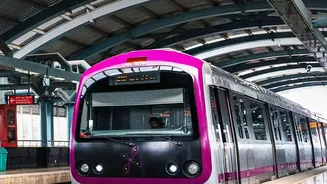
A quiet revolution is reshaping how young professionals and students in India travel between cities. Faced with the choice between crowded trains with tickets booked weeks in advance, time-consuming buses, or expensive cabs, a tech-savvy generation is turning
to shared mobility. This trend, primarily driven by carpooling apps, is more than just a cost-saving trick; it’s becoming a preferred mode of transport. Platforms like BlaBlaCar have seen explosive growth, with India now being their largest market globally. A recent survey revealed that nearly three-quarters of the most active intercity travellers are between 18 and 43 years old, a demographic that is digital-first and value-conscious. This group is embracing the ability to book a seat in a private car heading in their direction, often at a moment's notice, through a few taps on their smartphone.
It’s All About the Economics
The primary driver of this shift is undeniable: cost. For a young person earning their first salary or a student on an allowance, every rupee counts. Shared travel offers a compelling financial advantage. A carpool seat for a popular route like Delhi to Jaipur can be significantly cheaper than a last-minute train ticket or a Volvo bus, and drastically more affordable than booking a private taxi. For drivers, offering empty seats helps offset the soaring costs of fuel, tolls, and vehicle maintenance, making a planned journey more economical. This model creates a win-win scenario where drivers share their fuel costs and passengers get a comfortable, affordable ride. With an estimated 70% of carpooling users in India being under the age of 34, it's clear that this economic proposition strongly resonates with the younger generation.
Beyond Just Saving Money
While the financial benefits are a major draw, the appeal of shared travel extends further. Time and convenience are equally crucial factors. Carpooling often provides a door-to-door or near-door-to-door experience, eliminating the hassle and extra cost of travelling to and from bus stands or railway stations—a well-known 'last-mile' problem in Indian cities. The journey can also be faster, with fewer stops than a bus and more direct routes. Beyond logistics, there's a social element. Many young travellers appreciate the opportunity to meet and network with new people from different walks of life, turning a mundane commute into a shared experience. Some platforms even offer features like gender-preferred matching, which has helped increase comfort and safety for women travellers.
Navigating the Bumps in the Road
Despite its growing popularity, the shared travel ecosystem is not without its challenges. Safety and reliability remain the top concerns for users. The thought of travelling with complete strangers can be daunting. To address this, leading platforms have introduced several trust-building mechanisms, such as government ID verification, user ratings and reviews, and secure in-app payment systems. However, issues like last-minute cancellations by drivers or passengers, communication gaps, and ensuring vehicle quality still persist. Users are encouraged to be vigilant, check profiles and ratings thoroughly, and use the platform's communication tools before confirming a ride. The responsibility for a safe and smooth journey is ultimately shared between the platform, the driver, and the passenger.
A Permanent Shift in Travel
The move towards shared mobility is more than a fleeting trend; it reflects a fundamental change in consumer behaviour, especially among the youth. A recent survey indicates that over 76% of travellers expect to increase their use of shared mobility in the coming years. This generation values access over ownership and prefers smart, flexible, and community-driven solutions. They are comfortable using technology to solve everyday problems, and intercity travel is no exception. As India's road infrastructure improves and digital penetration deepens, the efficiency and appeal of filling empty car seats will only grow. Shared travel is not just about getting from Point A to Point B anymore; it's about doing it in a way that is economically smart, socially connected, and resource-efficient.