



More Than Just a Map Dot
When we talk about 'route tracking' for commercial vehicles, it's about much more than a simple GPS location on a screen. Modern systems, often called telematics or fleet management solutions, are a comprehensive safety net. These government-approved
systems integrate a GPS device with a host of sensors that transmit real-time data to a central command centre. This data includes not just location, but also speed, engine status, fuel levels, and even driving patterns like harsh braking or sudden acceleration. It transforms the vehicle from an isolated unit into a connected node in constant communication, which is crucial when visibility drops and danger rises.
A Second Pair of Eyes in the Fog
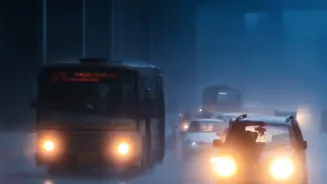
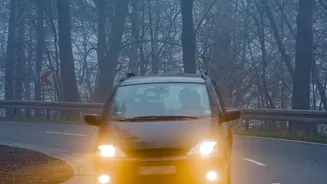
Driving through near-zero visibility fog is one of the most stressful experiences on the road. A driver can only see a few feet ahead, but a fleet manager at a control centre can see the bigger picture. With real-time tracking, a dispatcher can act as a remote guide. They can monitor the vehicle's progress on a detailed map, warning the driver of upcoming hairpin bends, steep gradients, or narrow sections that are invisible in the thick fog. If a driver is moving too fast for the conditions, the system can trigger an alert, prompting the manager to advise them to slow down, transforming a reactive danger into a proactively managed risk.
Navigating Landslides and Waterlogging
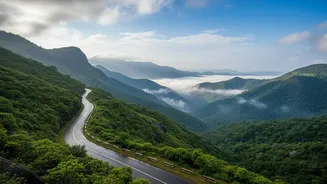
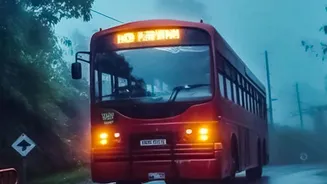
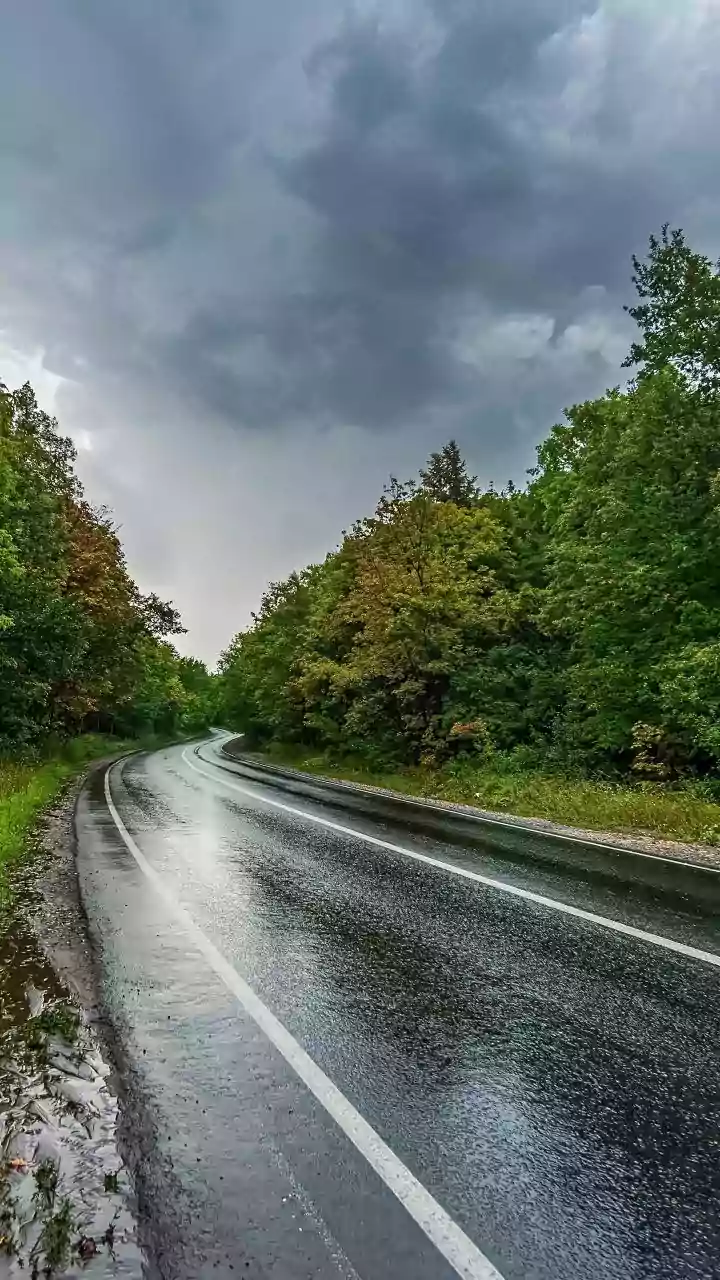
Ghat roads during the monsoon are notorious for unpredictable hazards like landslides, fallen trees, and flash floods that can block a route without warning. This is where intelligent route optimisation becomes a lifesaver. A central tracking system can receive real-time updates about road blockages from other drivers in the fleet or from official sources. This information is then used to dynamically reroute drivers away from danger zones before they get stuck. Instead of driving blindly towards a potential disaster, the driver receives instructions to take a safer, pre-vetted alternative route, saving time, fuel, and most importantly, preventing a dangerous situation.
A Watchful Eye on Driver Fatigue
The treacherous conditions of monsoon ghats demand a driver's full attention. Fatigue, distraction, or risky behaviours like speeding are amplified dangers on wet, slippery roads. Advanced telematics systems are designed to monitor this human element. They can detect patterns that may indicate drowsiness, such as long, unscheduled stops in isolated areas, or a lack of micro-corrections in steering. The system also logs events like excessive speeding or sudden braking, allowing fleet managers to identify and coach high-risk drivers. Some systems even use in-cab cameras and AI to detect cell phone use or signs of sleepiness, providing real-time alerts to both the driver and the manager.
The Instant SOS Lifeline
In a worst-case scenario—a breakdown, a medical emergency, or an accident—getting help quickly is paramount, especially on a remote ghat road at night. All government-mandated AIS 140 compliant tracking devices are equipped with an emergency SOS button. When pressed, it sends an immediate alert to the control centre with the vehicle’s exact coordinates. This eliminates the uncertainty of a driver trying to explain their location on a poorly marked road. Even if the driver is unable to press the button, the system can often detect a crash or a prolonged, unexplained stop, triggering an automatic alert. This ability to provide a precise location to emergency services can dramatically reduce response times and save lives.